– 2nd Edition Assessment Framework for Young People Displaying Harmful Sexual Behaviour
Marcella Leonard and Simon Hackett
© AIM. All rights reserved
1.1 Terminology
The following section provides an overview of the terminology used within this publication. Terminology in this field continues to evolve alongside developments in research, policy and practice. Practitioners should therefore carefully consider the language they use, ensuring it is appropriate and sensitive to the needs and experiences of young people and their families.
Children
The legal definition of childhood is up to the age of 18 years old. This publication uses the terminology children and young people to differentiate between developmental levels but acknowledges that some professionals prefer the generic term children to keep the work child focused. However, some adolescents do not identify with this term. It is important to ask the individual about their preference and to use that term in any work or reports related to them.
Harmful Sexual Behaviour (HSB)
AIM uses Harmful Sexual Behaviour (HSB) as an umbrella, shorthand term for sexual behaviours of concern, but acknowledge that within this, there is a range of behaviours including, as outlined in Hackett’s (2026) Hackett Continuum and Response Tool (H-CART) herein referred to as H-CART.
Race and Ethnicity
AIM recognises that terminology relating to race and ethnicity continues to evolve. The term Global Majority is increasingly used within some sectors and organisations; however, this publication uses the term ethnic minority when referring to groups that are minoritised within the UK context, to maintain consistency with current research, policy and data sources.
Victim, Survivor, Lived Experience
The terminology relating to the individuals who have been sexually harmed is changing. Traditionally the term victim has been used, but more recently some people who have been harmed do not identify with this term and have wanted to use other terms such as survivor or person with lived experience.
For ease of reading, this publication uses the term victim, as it is currently the most widely used term in practice. This is intended solely to support consistency and readability. AIM recognises that individuals may identify more closely with terms such as survivor or person with lived experience, and practitioners should always seek and use a young person’s and family’s preferred terminology within assessments, reports and direct work.
Technology and HSB
This is an area of practice where the language used is changing rapidly. In the forthcoming AIM Practice Guidance: Technology-Facilitated Harmful Sexual Behaviour and Young People (AIM, 2026) there is an extensive glossary of terms for different types of behaviours and the ways in which technology may be used to sexually harm others. AIM previously used the term technology-assisted harmful sexual behaviour (TA-HSB). In line with current terminology, this model uses technology-facilitated harmful sexual behaviour (TF-HSB) throughout.
1.2 Background to AIM3
The developmental journey of the AIM assessment model for young people who have engaged in HSB, began in 2002 with the AIM Initial assessment model introduced nationally by Henniker, Print and Morrison (2002). This provided an inter-disciplinary and holistic model for initial assessment of young people who sexually harmed others. It was informed by ASSET (Youth Justice Board 2000) and the Assessment Framework for Children in Need and their Families (Department of Health, 2000). A revised version called AIM2 was then developed in conjunction with G-Map in 2007 and updated in October 2012
The AIM3 Model of Assessment (2019) was developed following a review of the AIM2 Model and in response to developments in the understanding of HSB, moving away from outcomes of high, medium and low risk and based on feedback from practitioners on the practical application of AIM2.
AIM3 (2nd Ed) (2026) builds on the core of the original AIM3 model, introducing more information on young people’s use of technology in all aspects of their lives. It also addresses feedback on practice issues identified through the AIM Internal Review Report (Leonard and Hackett, 2024) such as addressing static historical information in Domain One as the intervention progresses. https://aim-hsb.com/aim-review-internal-report-leonard-and-hackett-october-2024-2/
1.3 User Background
Practitioners from a range of professions can use the AIM3 Assessment Model, however, to quality assure the understanding, consistency and application, only practitioners trained in the use of the AIM3 model and certified as competent to use it, will be approved by AIM. Post course, quality assurance about the application of the AIM3 model in practice should be provided through the practitioners’ supervision and line management.
1.4 Brief overview of AIM3 Model
Age range
The AIM3 Assessment Model is designed to provide practitioners with a structured framework to assist in analysing the HSB within the overall context of the young person. It is designed to be used with those young people who are within the developmental stage of adolescence who are known to have engaged in, or there is strong professional evidence or belief that they have engaged in, harmful sexual behaviour.
Gender and Diversity
Much of the research and evidence base on harmful sexual behaviour in adolescence is on samples that are predominantly young males who are referred to specialist or clinical services. However, the practitioners review of the AIM Under 12 and AIM3 model (AIM Internal Review Report, Leonard & Hackett, 2024) evidenced the adaptability of the model for use with all identified genders.
The review also affirmed its suitability with young people with learning and developmental disabilities or autism, as well as flexibility for inclusion of race, culture and faith uniqueness of each young person in their assessment.
The Domains and Factors which make up the core of the model are broad based and are of relevance to all young people presenting with HSB. However, when using the indicative Items which are offered to help practitioners consider each of the Factors (see the description of the structure of the model below) practitioners need to consider the specific issues of diversity and uniqueness as they relate to the individual young person being assessed. In other words, practitioners need to think carefully about the interconnections between gender/cognitive abilities/ race/culture and context in relation to each of these Items and whether, for example, additional or different information needs to be sought and considered.
Dynamic Assessment Framework
AIM3 is not an actuarial risk assessment tool but an assessment model designed to assist practitioners in the task of assessing HSB within the context of multiple domains of a young person’s life and identifying the needs it is meeting both sexual and non-sexual. The model is designed to be used not only at the initial stages following a referral, but at intervals thereafter, for example as part of supervisory processes, to assist with reviewing progress being made following interventions being provided. The importance of continuing to review concerns and needs cannot be overstated, not least because young people are developmentally in flux. Therefore, AIM3 intends to be dynamic and responsive to developmental, systemic and behavioural change.
Structure of the AIM3 Assessment
AIM3 has identified five Domains:
1. Sexual Behaviour
2. Non-Sexual Behaviour
3. Developmental
4. Environmental/Family
5. Self-Regulation
The five Domains encourage the practitioner to consider the young person across all the domains in their life and to assess the role of the each of these Domains and what influence they may have had in the young person engaging in HSB. Within each Domain there are five Factors for the practitioner to consider, which cover the key elements of each Domain.
Within the five Factors relevant Items are provided to assist practitioner analysis (see Chapter Four for more details). The Items tend to be neutral in their discussion to enable the practitioner to assess whether the Item is a positive/ strength or a concern/risk within the young person’s functioning. The Items should be seen as aide memoires to assist the practitioner in thinking what to consider when assessing the Factor. The Items are not definitive and so the practitioner should include any other relevant Item unique to the young person they are assessing, for example, gender or culture, to ensure the bespoke nature and flexibility of the AIM3 Model to assess each young person individually.
Fundamental to the effectiveness of the AIM3 Assessment Model is the case formulation of the information gathered from the referral, the ‘My Life Journey’ exercise, the available information from professionals and partner agencies, the meetings with the young person and their parents/carers. The analysis of information using the AIM3 model provides an overall guide to appropriate interventions for the young person and their parent/carer.
To assist the young person and their parents/carers to understand the assessment, the Factors are scored numerically and the cumulation of the five scores gives an overall score for the relevant Domain. These are then plotted on a profile graph which gives a visual representation of the areas of concern and potential strengths for the young person. The colour coding of the graph, with red denoting areas requiring significant and immediate attention, amber where some focused work is likely to be needed, and green which is areas of relative strength or lower concern that can be used to promote resilience and desistance, is designed to assist the development of bespoke safety plans and targeted interventions. The overall analysis of the young person alongside the graph profile will assist the practitioner in identifying areas for immediate, short term and long-term intervention for both the young person and their parent/ carer.
Supervision and Review of AIM3
AIM3 has been designed to provide a profile of the young person and as such can be used within professional supervision to review the progress being made by the young person through the intervention work.
Regular review of the AIM3 Factors following each intervention, and ideally at intervals of no more than eight weeks, is a fundamental aspect of the model. This helps ensure that areas of concern and strength remain current, that interventions are appropriately targeted and effective, and that the young person is not subject to a static assessment that fails to recognise their development, learning and capacity for change. Responsivity to the dynamic nature of a young person’s life during their engagement in the assessment and interventions is integral to the AIM3 assessment model review process.
The AIM3 Assessment Model graph profile and the case formulation analysis should be core agenda items in supervision with practitioners in their immediate and longer-term intervention with the young person and their family.
1.5 Practice Considerations
Using AIM3 with Parents and Young People
The AIM review (AIM Review Internal Report, Leonard & Hackett, 2024) highlighted that using a visualisation of the assessment through the AIM3 graph profile with the young person and their parent/carer was extremely useful in practice as it displays the areas which require action and the strengths that they themselves possess. Given the stress and distress experienced within a family when a young person has engaged in HSB, the young person and their parents/ carers are often still in a state of shock and coping with the impact of the disclosure. This can mean they may be unclear about the assessment process, what informs the decisions made in respect of interventions and what has informed the practitioners’ analysis.
The profile graph provides a visual representation of the assessment and the colour coding assists the young person and their parent/carer to visually see the areas requiring immediate attention and the rationale for safety planning. In the review of AIM3 (AIM Internal Review Report, Leonard & Hackett, 2024) feedback from practitioners was that the visual representation o4)f the assessment in the graph promoted greater engagement by the young person and their parent/carer as it enabled a greater understanding of the holistic nature of the assessment and the next steps to be taken. This promotes transparency and ensures that intervention is inclusive of the young person’s views; in reviewing the graph as interventions take place, a visual of their own progress can be seen and what areas they need to address in the next phase of work.
Using AIM3 when a young person is denying HSB or when Criminal Justice Processes are ongoing.
The admission of HSB for any young person can have significant emotional, physical, sexual and psychological impacts creating anxiety and fear. This impact can be further enhanced if police and criminal justice processes are involved and there is a possibility of a conviction. It is therefore understandable the young person may deny the HSB, or may have been advised by their legal representatives to make a ‘no comment’ response to any assessment questions.
AIM believes in the importance of young people having access to quality assessments to inform what interventions and safety plans are needed to reduce the likelihood of further HSB, and to enable those interventions to take place in a timely fashion. Timely assessment also supports services to develop and implement safety plans that are proportionate, evidence-informed, and based on an understanding of the young person’s behaviour, rather than being driven by anxiety or risk-averse decision making. In practice, services are often required to make decisions about safety planning regardless of whether a formal assessment has been completed. Using a structured assessment model specifically designed to understand harmful sexual behaviour provides a more robust foundation for those decisions, helping to ensure that safety measures are both effective and proportionate while avoiding unnecessary restrictions where these are not warranted. To increase the ability of the young person and their family to engage in the assessment process, it is vital to explain to them, their legal representatives and the police how information from the assessment will be used to identify what interventions and support the young person needs while criminal processes are ongoing.
Domain One – Sexual Behaviour is the most contentious in these circumstances. It can be agreed with the legal representatives and the police that this can be completed by using the information available from documents such as the young person’s police account and the victim’s statement without having to question the young person directly about the referral behaviour. This information provides a context for why the AIM3 is being undertaken and can be updated at subsequent reviews once police investigations are completed.
The information required to assess Domains Two to Five is not focused on the alleged HSB but on gathering insight to the wider profile of the young person and the varied contexts in which they live and allows the young person and their family to be supported through this crisis in their family life. The AIM3 model can assist in identifying areas where needs can be addressed and education, skills and resilience can be built to promote reduction of further harmful behaviour, as opposed to being on hold while the criminal justice processes are ongoing, which may be for some time, in some cases, several years. For more information please refer to the AIM Practice Note on undertaking AIM Assessment/Intervention alongside Criminal/Police Investigation Processes, which can be accessed here www.AIM-HSB.com
Supervision of HSB Practice
Working with young people who engage in HSB is rewarding yet challenging for practitioners. Being able to assist a young person to work through the HSB, increase their understanding of what needs the HSB met at the time and develop new, safer ways of having that need met, so no further harm will be caused is rewarding. However, the reality of working with young people whom we recognise are, at this time, unable to progress through the interventions and who may go on to cause more harm is challenging.
The emotional impact of this work on the practitioners cannot be underestimated. Working with sexuality in itself is a challenge. Discussing sexuality, sexual attitudes and practices is difficult as it makes practitioners consider their own personal experiences, thoughts, behaviours and then how these personal perceptions affect the work with a young person who has engaged in HSB.
The importance of practitioners receiving regular supervision cannot be minimised. Supervision provides a safe space to analyse the work with the young person and their family as well as meeting the needs of the practitioner. Effective supervision builds staff resilience to enable them to engage in HSB work and limit personal impact to ensure quality, objective AIM3 assessments.
Quality reflective supervision is therefore essential in this
work and it serves several purposes:
1. It provides a space for reflective practice where the
practitioner is enabled to reflect on the work to date,
any challenges/barriers/blocks to the work and what
they are considering for next steps.
2. Reflective practice within supervision enables
personal reflection of how the practitioner is being
impacted by the work, identifies any transference/
counter transference issues, personal attitudes
and beliefs as well as professional style/skills and
knowledge which may be affecting the work.
3. It provides a space for supervisors to be alert to
the risk factors associated with burnout in this field
of work such as: consistently working with same
type of client; the impact of working with known
possible aggression/violence; caseload pressures
or inadequate practical resources to deliver the
work in the manner in which is recommended
and managing the anxiety of assessing risk and developing effective safety plans sometimes within
unrealistic statutory timeframes and systems that do
not consistently take a child first approach.
4. For the supervisor it facilitates quality assurance
of the work from both the practitioner and young
person perspectives; it promotes professional
development and enables reflective practice.
5. Supervision can also help to filter requests for assessments and to allocate resources more effectively. Not all sexual behaviours require a full AIM3 assessment. Supervisors/managers can use the H-CART (Hackett, 2026) to assist in making an initial assessment of the nature of the sexual behaviour which has resulted in the referral, to ensure that assessments are appropriate and effective. This tool assists defensible decision making and recording of why or why not an assessment is being completed at this time.
Levenson et al (2017), in a survey of 157 professionals
working with people who have sexually abused, asked
the question, ‘What are/were some of the qualities of the
best supervisor you’ve ever had?’ and the respondent
themes were:
• Supervisor showing care and concern for
supervisees
• Encouraging professional growth
• Fostering supervisee autonomy
• Collaborative supervisor – supervisee relationship
• Professional direction
These themes reflect the core principles of trauma
informed practice with a young person in being
responsive to the impact of previous experiences on
them as to provide an understanding of why they think,
act and speak the way they do. Equally, developing
trauma informed supervision is recommended where the
supervisor provides the space to assist the supervisee to
explore the relationship with the young person and the
impact of the work.
The mandate for rigorous supervision set out for
registered practitioners such as health professionals and
social workers is outlined by Health & Care Professions
Council (2017) and Northern Ireland Social Care Council.
Supervisors are encouraged to undertake the AIM
Supervisors training which provides specific guidance
on supervising the AIM3 assessments.
1.6 AIM3 Assessment Model Process Flow Chart
Received
- Clarification with referring agency in respect of the young person and their family’s understanding of the referral
- Deciding on whether a full AIM3 assessment is necessary
- Agreement with young person’s parents/carers, legal representative and the police of the parameters of work to be undertaken in Domain One if criminal processes ongoing
Assessors
- Identification and allocation to co-worker assessors, consideration of any individual characteristics which may impact on the assessment and engagement of the young person and their parent/carer
- Identifying areas for further clarification/information
- Contacting all relevant professionals and agencies who have contact/ information about the young person, their family
- Important to gain as much information as possible from the victim’s perspective, accessing victim statements, ABE interviews are all recommended and any unique considerations in cases of sibling HSB
- Clarify what the HSB is and in cases if a sexual offence is stated, seek further information beyond the offence wording and begin to formulate a timeline of the information gathered to assist in developing the young person’s ‘My Life Journey’
- Note any information missing, not shared/provided and outline that this could alter assessment findings if shared at a later point or if new information comes to light.
- Plan the interviews with the young person and their parent/carer and any professional staff, particularly if the young person is in out of home care
- Consider what gaps in information exist which need to be covered in the interview whilst respecting any criminal investigation boundaries agreed with police and legal representatives
- Consider any individual characteristics which may impact on the interview such as communication, learning needs, culture, religious, gender, language or physical disabilities
- Complete interviews with young person and their parent/carers, developing ‘My Life Journey’ with them.
Scoring
- Review and score the AIM3 Factors following the interviews
- Enter AIM3 Scores into Excel Spreadsheet for graph profile
- Review and amend the pattern mapping exercise
- Completion of the AIM case formulation process integrating the AIM3 assessment of the analysis of the Domains
Interventions &
AIM3 Report
- Utilising the AIM Case Formulation process, collate the information and analysis of the AIM3 profile of the young person to develop recommendations for intervention identified and to manage immediate risks and short and long term safety planning
1.7 AIM3 Assessment Process
The flow chart above covers the entire AIM3 Assessment process from referral to outcomes and safety planning. The following information covers the first four stages of the flow chart, up to and including the interviewing stage, which provide the groundwork for both deciding if an AIM3 Assessment is required, but also the information which will be relevant for the analysis of the Domains, Factors and Items in the AIM3 assessment model.
The AIM3 Assessment Model process guides the practitioner to gather relevant information through each of the stages and once gathered the framework provides a structured assessment.
The fifth stage on the flow chart of the AIM3 assessment is the AIM Case Formulation, which is described in detail in Chapter Five, along with the development of interventions and safety planning with adults and young people.
Time frame
As the AIM3 assessment model is intended to provide guidance on immediate safety planning and risk management as well as medium and longer-term interventions, the authors recommend that it is usually completed within a short six week timeframe, in line with children’s services and youth justice assessment timescales, to limit delay in safety planning and immediate risk management as well as in ensuring there is no delay in starting appropriate interventions.
Ideally practitioners should have access to all relevant information; any delay in completing the AIM3 must be defensible in preventing the young person’s access to timely intervention when the outstanding information may not immediately influence the assessment. Therefore, the assessment may generate some important unknowns, which will still need to be clarified, but this should become part of the intervention plan, rather than holding up decision making and the delivery of interventions to the young person and their family/carers. The dynamic nature of the AIM3 assessment in being reviewed regularly during interventions allows for consideration of additional information becoming known and how this might influence formulation and subsequent interventions.
Is an AIM3 Assessment always appropriate in all cases of HSB?
Whilst recognising for the person harmed that any HSB will have caused significant emotional distress and potential long-term impact, not all HSB by a young person will require a complete AIM3 assessment. It is important that managers/supervisors consider the referral and whether or not a full AIM3 Assessment is required.
By using H-CART (Hackett, 2026), it can assist in determining the nature of the referral behaviour and consideration of whether an AIM3 assessment is required. Where the H-Cart indicates that the behaviour falls within the harmful range, an AIM3 assessment is likely to be helpful and an appropriate framework through which to understand the behaviour, the factors contributing to it, and any ongoing risk or intervention needs. Where behaviour is identified as problematic, or sits at the boundary between problematic and harmful, an AIM3 assessment may still be beneficial in some cases, particularly where there is complexity, uncertainty, or concern about escalation. However, practitioners should also consider whether alternative responses, such as targeted education, early intervention, or other supports may be more proportionate and appropriate to the young persons needs.
1.8 AIM3 Assessment Stages 1 – 4
Stage 1 – Referral Received
The AIM3 Assessment process begins with the receipt of the referral of a young person who has engaged in, is alleged to have engaged in, or there are serious concerns that they have engaged in Harmful Sexual Behaviour; and where a decision has been made, following screening using H-CART (Hackett, 2026), that an AIM3 assessment is appropriate. At this stage clarification should be sought of referral information from the referral agent, particularly the victim’s statement, as well as insight into the young person and their family’s understanding of the referral and the assessment process. Clarification of any individual characteristics in respect of learning needs, language, neurodiversity, disabilities, culture, religion should be gained to ensure the assessment is not negatively affected by constraints due to any of these issues.
Denying harmful sexual behaviour is an understandable defence mechanism and often it is a way of coping with parental/societal reactions. As practitioners it is important to explore the internal and external barriers to admission and often shame/fear are at the core of their need to deny.
If the young person is denying the referral behaviour and awaiting trial, it is important to clarify with them and their legal representative, police, parent/carer how the alleged behaviour will be managed in the assessment, particularly in Domain One. It can be agreed that the young person is not asked to discuss the alleged behaviour but their statement and the victim’s statement are used to record the information available at that time pending the police investigation. It can also be discussed in the third person.
An AIM3 report completed on this basis should have any gaps in information or deferred analysis pending criminal investigated highlighted in the report.
NB: Denial of the HSB is not a reason to not proceed with the assessment, as the AIM3 assessment will consider all the domains in the young person’s life including their wider sexual and non-sexual behaviour and regulation which is not reliant on an admission by the young person of the HSB.
Stage 2 – Allocation to Assessors
In considering the complexity and challenges in working with young people who engage in harmful sexual behaviour, co-working is recommended to provide support, professional debate and sharing of tasks. As discussed previously, co-working pairs should be cognisant of gender, race, culture, neurodevelopment diversity and any issues which may enhance or negatively affect the engagement of the young person and their family.
NB:
As there is a competency requirement for practitioners undertaking an AIM3 assessment, AIM recommend that both co-workers are trained and approved by AIM to undertake an AIM3 Assessment. If an AIM approved practitioner is co-working with a non-AIM approved practitioner, then the AIM approved practitioner must take sole responsibility for the assessment. The non-AIM approved practitioner will not be considered to be AIM approved, simply by having co-worked an assessment.
If a co-working partnership has not been possible in the assessment, then the analysis of the AIM3 should be discussed within supervision with a line manager or with another AIM3 trained colleague. This promotes objectivity, professional discussion, accountability and quality assurance.
Stage 3 – Information Gathering
Information should be gathered from all relevant sources, including records from, and interviews with, school, employment, health, police, social services and youth offending agencies. One way of doing this, which also has the benefit of engaging professional partners early in the process, is to use a timeline which will then assist in populating the young person’s ‘My Life Journey’. ‘My Life Journey’ is a collaborative exercise where the young person, with the assistance of those who know them well, (parents, carers and professionals,) can help identify what have been the experiences, life events and behaviours which may have had a role to play in why the young person engaged in HSB. ’My Life Journey’ can help identify what might be some of the recurring themes in how a young person understands and responds to what is happening in their life. It ensures the young person is at the core of the formulation of their own assessment and future intervention planning. Completing this process before meeting with the young person and family helps to identify possible pathways to the HSB as well as knowledge of life experiences and known impact to support a trauma informed approach to engagement. See Appendix 4 for guidance on completing ‘My Life Journey’
Stage 4 – Conducting Assessment Sessions
As previously stated in Stage 1, clarification of any individual characteristics in respect of learning needs, language, disabilities, culture, religion should be used to prepare for the assessment sessions with the young person and their family/carers. The number, frequency and length of these sessions will be guided by the young person and their parent/carer and their abilities to engage. However, it is important not to lengthen the initial assessment process unduly for this reason, as the young person, their family/carers and professionals will be awaiting the outcome of the assessment. Delays in this process can increase stress and lead to negative risk adverse decisions being made by professionals, which may impact on the young person. All those assessed should be fully informed of the purpose of the assessment sessions, who will have access to the information gathered and the process that will be followed if any safeguarding concerns are raised whilst conducting the assessment.
Stages 5 and 6 are addressed in more detail in Chapter Five – AIM3 Analysis, Safety Planning and Review.
NB: Throughout this chapter the term ‘children’ is used as a generic descriptor for all individuals under the age of 18. Where it is important to reflect the specific focus or age range of particular studies or practice contexts, we distinguish between younger children/pre-adolescents and adolescents/young people.
2.1 Introduction
Understanding of children and young people who display harmful sexual behaviour (HSB) has advanced considerably since the early 1990s, when the issue first entered professional consciousness in the UK. Early conceptualisations drew heavily on research into adult sexual offending, often framing young people as ‘juvenile sex offenders’ who required offence-focused interventions. These early models were understandable in the absence of alternative evidence but did not adequately reflect children’s developmental capacities, relational vulnerability, ecological environments or the diversity of pathways through which HSB arises.
In the past two decades, a substantial multidisciplinary evidence base has emerged. This work has reframed HSB within developmental science, trauma research, attachment theory, social-ecological frameworks, contextual safeguarding, public health approaches, gender analysis and digital sexual cultures. Together, these disciplinary insights demonstrate that HSB is neither a discrete category of behaviour, nor a fixed indicator of future harm. Instead, it reflects a wide range of developmental processes, social contexts, adversities, vulnerabilities and relational dynamics.
This chapter provides an overview of the knowledge base that informs this updated AIM3 model. It does not aim to be a comprehensive literature review. Instead, it summarises key themes from contemporary research, evidence syntheses and international guidance and explains how this evidence underpins the five-domain structure of AIM3. More detailed references and specific evidence are integrated throughout the rationale and descriptors of each Domain, Factor and Item in Chapter Four.
The aims of this chapter are therefore to:
1. Provide a clear, developmentally informed conceptual
foundation for understanding HSB.
2. Summarise the key themes and findings across the
contemporary evidence base.
3. Explain how this knowledge base justifies the five
domains used in AIM3.
4. Support proportionate, contextual, child-centred
and rights-based assessment practice.
2.2 Evolution of Conceptual and Professional Understandings
Professional and research understandings of HSB in childhood have shifted profoundly over the last three decades. Early work in the field, largely emerging in the 1980s and early 1990s, drew extensively on theories and interventions developed for adult sexual offending. These models conceptualised young people through the lens of deviance, pathology and risk prediction, with assessment frameworks dominated by offence characteristics, static typologies and cognitive distortion paradigms (Chaffin et al., 2002; Longo, 2003). The implicit assumption was that sexual behaviour in adolescence represented an early manifestation of entrenched deviant sexual tendencies, requiring offence-focused and relapse-prevention interventions largely derived from adult forensic practice. As subsequent research demonstrated, these early approaches drew on concepts and methodologies that limited their applicability to children. Much of the foundational evidence was drawn from small, forensic samples of adolescent males whose behaviour had already escalated to serious sexual harm (Beckett & Gerhold, 2003). Some early studies paid limited attention to developmental stage, trauma histories, neurodiversity, caregiving environments or the normative variability of sexual learning across childhood and adolescence. Moreover, they reflected a period before the rise of developmental neuroscience, ecological models, trauma-informed practice and digital sexual cultures. The result was a tendency to adultify children, treat behaviours in isolation from their developmental context and underestimate the extent to which young people’s capacities, motivations and environments differ fundamentally from adults (Hackett, 2014).
As research broadened, these limitations became increasingly visible. Studies examining large and more diverse populations of young people presenting with HSB—including those undertaken in the UK (Taylor, 2003; Vizard et al., 2007; Hackett et al., 2013)—revealed substantial heterogeneity in developmental profiles, mental health needs, sexual learning histories, family contexts, trauma exposure, neurodevelopmental conditions, social competencies and behavioural patterns. These findings challenged the assumption of a singular ‘juvenile sex offender’ profile and demonstrated that HSB does not represent a homogeneous behavioural category but instead reflects multiple, interacting developmental and contextual processes.
This shift in thinking accelerated as knowledge from developmental psychology and adolescent neuroscience demonstrated that key capacities—such as impulse control, emotional regulation, decision-making and perspective-taking—mature unevenly throughout adolescence (Steinberg, 2009; Casey et al., 2008). These findings highlighted that behaviours that may appear purposeful or predatory through an adult lens may in fact reflect immaturity, impulsivity, dysregulation or developmental misunderstanding in childhood. Simultaneously, attachment and trauma research demonstrated the profound influence of early adversity, disrupted caregiving and chronic stress on children’s emotional regulation, social understanding, stress-response systems and interpersonal functioning (Creeden, 2013; McCrory et al., 2017). This body of work reframed many behaviours previously understood as ‘deviant’ or ‘deliberate’ as adaptive, defensive or traumatically mediated responses emerging within compromised developmental systems.
Parallel developments in social-ecological theory further shifted the field’s focus. Building on Bronfenbrenner’s ecological model (1979), researchers emphasised the importance of understanding HSB within peer, family, school, community and cultural contexts (Firmin, 2017). This work highlighted the role of supervision, peer dynamics, gender norms, group coercion, opportunity structures and environmental adversity in shaping the emergence and persistence of sexual behaviours. Such ecological approaches challenged assessment models that focused solely on individual pathology and instead conceptualised HSB as contextual, relational and embedded within overlapping systems.
An additional catalyst for conceptual change has come from the growing recognition of digital and online sexual cultures. Over the past decade, studies of internet use, pornography exposure, image sharing and online coercion among children have demonstrated that digital contexts shape both sexual learning and opportunities for harm in ways not captured by earlier frameworks (Martellozzo et al., 2015; Hollis & Belton, 2017). The emergence of technology-facilitated HSB requires assessment approaches that take account of key aspects of young people’s digital lives, including online anonymity and disinhibition, the impact of online reinforcement, the permanence of digital images and the distinctive ways these behaviours affect victims (Moultrie, 2006).
2.3 What Research Tells Us About Children Displaying HSB
Across three decades of empirical research, one of the most consistent and important findings is the marked heterogeneity among children and young people who display harmful sexual behaviour. Large-scale studies in the UK and internationally illustrate this diversity vividly. In the most substantial UK cohort to date, Hackett et al. (2013) analysed 700 cases referred to specialist services and found considerable variability in age, developmental stage, cognitive functioning, mental health, gender and family histories. Similar findings were reported by Taylor (2003) and Vizard et al. (2007), whose cohorts also contained mixed profiles of adversity, trauma exposure, learning needs and interpersonal functioning. Such diversity demonstrates that there is no single ‘type’ of child who displays HSB and that assessment must recognise distinct developmental pathways rather than presuppose uniformity. This heterogeneity has significant implications for assessment: it demonstrates that fixed categories or simple typologies cannot capture the diversity of pathways into HSB, strengthening the rationale for multidimensional models such as AIM3.
Neurodevelopmental conditions are particularly salient within these populations. Studies consistently document elevated rates of learning disabilities, attention-deficit/hyperactivity disorder (ADHD), communication impairments and autism (Hackett et al., 2013; Almond & Giles, 2008; Carson, 2025). These neurodevelopmental differences often shape the form, meaning and context of behaviour for that individual—affecting social cue recognition, boundary understanding, perspective-taking, sensory regulation and comprehension of consent. Importantly, behaviours that appear coercive or intrusive through an adult lens may arise from rigidity, confusion or impaired social communication rather than sexually motivated intent. Misinterpreting these behaviours without considering neurodevelopmental differences risks misclassification and inappropriate responses.
Mental health difficulties also appear with greater frequency in cohorts of children displaying HSB than in community samples. Internalising symptoms such as anxiety, depression, shame and social withdrawal frequently co-exist with externalising challenges including aggression, impulsivity and rule-breaking (Taylor, 2003; Hackett, 2014). Some young people present with significant emotional loneliness, low self-esteem or identity confusion, all of which may influence the ways they seek connection, manage distress or respond to interpersonal conflict. Again, these symptoms are not explanatory in isolation but signal the need for assessment frameworks capable of contextualising sexual behaviour within broader patterns of psychological functioning.
Exposure to adversity is common but not universal. Across studies, substantial proportions of young people have experienced neglect, emotional or physical abuse, domestic violence, parental substance misuse, parental mental health concerns, bereavement or placement disruption (Hackett et al., 2013; Vizard et al., 2007; Scott & McNeish, 2024). Trauma research demonstrates that such experiences can influence stress-response systems, attachment security, emotion regulation, trust and relational expectations (McCrory et al., 2017). For some young people, these developmental effects may contribute to behaviours that reflect mistrust, dysregulation, hypervigilance or maladaptive coping. For others, however, adversity plays a limited or no identifiable role. This variability reinforces the principle that trauma must be neither assumed nor dismissed; instead, it must be assessed carefully and contextually.
Importantly, research also highlights the importance of the presence of strengths and resilience. Many young people displaying HSB have positive attachments, school engagement, pro-social interests, insight, remorse, supportive families or strong motivation to change (Campbell et al., 2018; Hackett et al., 2024). Others show emerging capacities for empathy, reflective functioning, peer connection or future-oriented thinking. These strengths are frequently overlooked in offence-led models but are strongly associated with desistance and improved outcomes. Their recognition is an essential component of developmentally informed assessment.
Another crucial finding is the uneven and highly individualised nature of sexual development. Studies show that some young people acquire sexual knowledge or interest earlier than expected for their developmental stage, often through exposure to pornography or other sexualised environments (Martellozzo et al., 2015; Friedrich, 2007), whereas others show delayed understanding consistent with developmental delay, learning needs or disrupted sexual learning. The meaning of behaviour therefore cannot be inferred solely from the act: it depends on the interplay of cognitive, emotional, relational and experiential factors that shape how the young person understands boundaries, intimacy, power and consent – their individual schema.
2.4 What Research Tells Us About the Nature and Contexts of Harmful Sexual Behaviour
A substantial body of empirical research demonstrates that harmful sexual behaviour does not occur in isolation from children’s relational and ecological environments. Instead, it is best understood as emerging at the intersection of individual vulnerabilities, situational opportunities, relational dynamics and wider social and cultural conditions. Studies consistently show that the nature, type, relationships with those victimised, contexts and functions of sexual behaviour among children and young people vary widely, with meaningful implications for assessment, intervention and safeguarding (Finkelhor et al., 2009; Hackett et al., 2013; Scott & McNeish, 2024).
Perhaps the strongest finding across the literature is the remarkable behavioural diversity observed within young people who display HSB. Studies involving large samples highlight a wide spectrum of behaviours, ranging from exploratory and socially incongruent acts to planned, coercive, intrusive or violent behaviours (Hackett et al., 2013; Taylor, 2003). Finkelhor et al.’s (2009) analysis of over 13,000 young people demonstrated considerable variation in victim selection, levels of planning, degrees of force, frequency, secrecy and the use of digital technologies. Importantly, these behaviours cannot be meaningfully grouped into a single trajectory or subtype, as similar behaviours may serve entirely different developmental or emotional functions for different young people.
Behavioural descriptors alone therefore offer limited insight into the meaning or motivation of behaviour. For example, an incident of genital touching may reflect normative exploration, curiosity, exposure to sexualised materials, developmental delay, sensory-seeking behaviour or deliberate coercion—each with different implications for safety and support. Friedrich (2007) and others have emphasised that interpretation requires attention to age, developmental capacity, social understanding, prior exposure, contextual cues and relational dynamics. Behaviour that appears intrusive or sexually advanced may reflect trauma reenactment, hyperarousal, learned scripts, misinterpretation of social cues or attempts to regulate distress. Conversely, behaviour that appears reciprocal may mask subtle coercion, fear or relational pressure.
The relationship with those victimised is another critical contextual variable. Across studies, most young people who display HSB target victims known to them, often within the family or extended social network (Taylor, 2003; Hackett et al., 2013). Child-directed behaviours frequently arise in relational contexts characterised by secrecy, opportunity, supervision gaps, caregiving stress or blurred boundaries. Peer-directed behaviours, by contrast, often occur within densely social environments such as schools, friendship groups or online communities and may be influenced by peer norms, group dynamics, gendered expectations or social status concerns (Firmin, 2017). These distinctions matter conceptually: child-directed behaviours tend to emerge earlier, are more strongly associated with developmental vulnerability or prior victimisation and carry different implications for understanding motivation than peer – or group – directed behaviours, which may be shaped by social, relational or identity-related processes of adolescence.
Group dynamics and contextual coercion have gained particular attention in recent years through research on ‘peer-on-peer’ sexual harm, child sexual exploitation and contextual safeguarding (Firmin, 2017). Studies of group-based sexual harm demonstrate that sexual behaviour may be encouraged, normalised or coerced within peer networks, especially in contexts characterised by rigid gender norms, social hierarchies, peer pressure or exploitative dynamics (Firmin, 2017). In such contexts, sexual behaviour may serve functions related to belonging, status, dominance or avoidance of rejection, rather than reflecting intrinsic sexual motivation. This research underscores the necessity of assessment models that attend to context, peer relationships and situational pressures rather than focusing solely on individual pathology or deviant intent.
Digital and online contexts have added another layer of complexity to the nature of HSB (Brown & Trediga, 2023). With the widespread availability of smartphones, instant messaging, social media platforms and online pornography, many young people’s early sexual learning now occurs in digital environments that offer anonymity, disinhibition, online reinforcement and opportunities for rapid image-sharing (Martellozzo et al., 2015). Research demonstrates that young people’s online sexual behaviour can vary widely from consensual and developmentally expected interactions, to concerning or exploitative exchanges, through to coercive, intrusive or violent technology-facilitated sexual abuse (Moultrie, 2006; Hollis & Belton, 2017). Leonard’s (2010) work on victim impact highlights that so-called ‘non-contact’ digital sexual harm can be deeply invasive and enduring, owing to the permanence, visibility and uncontrollability of images. These dynamics emphasise that online sexual behaviour must be assessed with attention to both developmental and technological contexts.
Another critical aspect to consider concerns situational and environmental factors that shape opportunity, vulnerability and secrecy. Research across the UK, Europe and North America indicates that HSB frequently arises in contexts characterised by poor supervision, chaotic household routines, lack of privacy, exposure to adult sexual activity, social isolation, school disengagement and emotionally unsafe environments (Vizard et al., 2007; Hackett et al., 2013; Scott & McNeish, 2024). Similarly, harmful opportunities can arise within institutional or residential settings where peer groups form, boundaries are unclear, supervision is inconsistent and opportunities for secrecy are plentiful. These situational factors point to the importance of ecological assessment: behaviour cannot be correctly interpreted without understanding the environment in which it occurred.
2.5 What Research Tells Us About Effective Responses, Intervention and Desistance
One of the most important developments in the contemporary evidence base concerns what is now known about effective responses to harmful sexual behaviour and the pathways through which young people desist. As highlighted above, early practice responses were shaped by adult sexual offender literature, with intervention models emphasising confrontation, offence reconstruction, cognitive distortion challenges and relapse prevention. Subsequent empirical research has shown these approaches to be poorly suited to children and young people, developmentally misaligned and in some cases actively counterproductive (Chaffin et al., 2002; Hackett, 2014). In contrast, evidence increasingly supports developmentally sensitive, trauma-informed, relational, contextual and strengths-based models that place the young person’s lived experience at the centre of intervention.
A consistent and influential finding is the low rate of sexual recidivism among adolescents. Across multiple longitudinal studies and meta-analyses, sexual recidivism rates typically fall between 3% and 14%, with most studies clustering at the lower end of this range (Caldwell, 2002; McCann & Lussier, 2008; Lussier et al., 2020). Moreover, young people who do reoffend are far more likely to engage in non-sexual than sexual offences. These findings challenge long-standing assumptions that harmful sexual behaviour in adolescence provides a reliable trajectory toward adult sexual offending. They also challenge the use of fixed risk assessment categories, reinforcing the need for developmental, contextual and strengths-based assessment frameworks that anticipate change rather than presume behavioural continuity.
Research examining the factors associated with desistance highlights that processes of change are rarely driven by offence-specific interventions alone. Instead, change tends to occur through relational, emotional, developmental and environmental mechanisms (Hackett et al., 2024). Longitudinal studies emphasise the importance of stable, attuned relationships with caregivers and professionals; increased social integration; improved emotional regulation; reductions in shame; strengthening of moral reasoning; and the development of pro-social identities and future aspirations (Hackett et al., 2024). Change is most often supported by consistent adults who believe in the young person’s capacity to grow, help them build safer and more positive relationships and support them to reflect on their behaviour and make safer choices.
Trauma-informed research has further shown that interventions should address children’s emotional and physiological regulation capacities. Early adversity, chronic stress and disrupted caregiving can affect the development of stress-response systems, executive functioning and affect regulation (McCrory et al., 2017; Creeden, 2013). Young people with such histories often require interventions that prioritise emotional safety, stabilisation, attunement and skill-building before they can engage meaningfully with behavioural change tasks. Approaches that rely heavily on confrontation, shame reduction through exposure or offence reconstruction risk exacerbating dysregulation, avoidance or dissociation. Conversely, interventions that build emotional literacy, coping skills, self-efficacy and relational security tend to support longer-term developmental progression and desistance.
Family involvement is another central contributor to effective outcomes. Research consistently shows that supportive, engaged caregiving environments—where possible—facilitate better intervention engagement, improved emotional regulation and more sustainable safety planning (Duane et al., 2002; Hackett et al., 2014). Parents and carers often experience shock, shame, fear, grief or confusion following disclosure of HSB and these emotional responses can either impede or support intervention depending on the degree of support they receive. Strengthening parental capacity, rebuilding trust, improving communication and stabilising routines are all substantive components of successful intervention models.
Environmental and contextual factors also play a major role in determining outcomes. Engagement with education, participation in pro-social activities, supportive peer networks, structured routines and stable living environments all correlate positively with resilience and desistance (Campbell et al., 2018; Scott & McNeish, 2024). Conversely, isolation, school exclusion, chaotic home environments, exploitative peer groups and unstable placements are associated with increased vulnerability and poorer outcomes. Effective responses therefore require multi-agency coordination that addresses not only the young person’s behaviour but also the conditions in which they live and grow.
Collectively, this body of research confirms that children and young people display high potential for positive change when provided with relationally secure, developmentally appropriate, contextually informed and emotionally containing interventions. The focus of effective practice is not just on extinguishing deviant impulses—as earlier models assumed—but on supporting developmental progression, strengthening regulation and coping, enhancing relational safety and fostering pro-social identity formation. These findings directly challenge static or offence-led assessment practices and underscore the necessity of flexible, holistic frameworks that identify both needs and strengths.
2.6 Implications for Assessment: Why a Holistic, Multi-Domain Approach Is Necessary
Traditional assessment models that rely heavily on static indicators, offence typologies or risk-prediction paradigms derived from adult sexual offending are poorly aligned with the developmental realities of childhood and adolescence (Chaffin et al., 2002; Hackett, 2014). The contemporary knowledge base instead points toward the need for assessment approaches that are developmental, contextual, relational and strengths informed. Three overarching conclusions emerge from the research evidence as it currently exists
First, the marked heterogeneity among children and young people who display HSB means that no single pathway, profile or psychological mechanism can account for behaviour. Developmental capacities, neurodiversity, trauma histories, attachment patterns, emotional functioning and ecological environments all vary significantly across individuals, these differences alter the meaning, motivation and risk associated with behaviour (Finkelhor et al., 2009; Hackett et al., 2013). Assessment tools that privilege categorical labels or assume homogeneity risk obscuring developmental nuance and misrepresenting children’s needs.
Second, harmful sexual behaviour is not reducible to the behaviour itself. As research has shown, similar behaviours may arise from entirely different developmental or relational processes. Behaviour that appears coercive or intrusive may reflect trauma-related dysregulation, sensory needs associated with neurodevelopmental conditions, misinterpretation of social cues, imitation of learned scripts, unrecognised emotional distress or problematic peer dynamics. Conversely, behaviour that appears mutual or ‘consensual’ may mask fear, power imbalance, coercion or social pressure. Meaningful assessment therefore requires systematic inquiry into the developmental, familial, social and digital contexts in which behaviour has emerged. Behavioural description alone is insufficient; interpretation requires multi-domain analysis.
Third, evidence on effective intervention and desistance shows that children’s capacity for change is high and that processes of change are driven less by static characteristics and more by relationships, developmental progression, environmental stability and self-regulatory skills (Caldwell, 2002; McCann & Lussier, 2008; McCrory et al., 2017; Lussier et al., 2023). Assessment models that focus disproportionately on risk markers or offence reconstruction fail to identify the dynamic factors— emotional regulation, family engagement, strengths, school connection, peer relationships, community supports—that are central to resilience and positive development.
Taken together, these insights underscore the necessity for assessments to include the intersecting domains that shape harmful sexual behaviour. A multidimensional approach is therefore required not only to understand how and why behaviour has emerged, but also to inform proportionate decision-making, plan safety measures, identify intervention targets, support desistance and promote the young person’s wellbeing.
Developmentally informed assessment must integrate:
• patterns and meaning of sexual behaviour
• broader behavioural presentation
• cognitive, emotional and neurodevelopmental
functioning
• caregiving relationships, family ecology and
environmental conditions
• self-regulation capacities, emotional processes,
beliefs and readiness to engage
• strengths, protective factors and the child’s voice
This constellation of factors cannot be captured
adequately within single-domain or offence-centred
models. Instead, the evidence base requires a structured, comprehensive framework that attends simultaneously to behaviour, development, family, environment, regulation and relational processes. AIM3’s five-domain structure was developed precisely to operationalise this contemporary knowledge base. The domains do not represent discrete categories of functioning but interdependent spheres that together shape the developmental meaning of behaviour, the child’s capacity for change and the contextual conditions that enable safety. Whether the pathways to the sexual behaviour are clear or not the dynamic nature of the model emphasises the importance of the case formulation being reviewed through the supervisory process.
The Domains and their evidential basis are summarised
in brief in Table 1 below:
Table 1: Domains and links to the evidence base
Sexual Behaviour
This domain enables practitioners to examine the form, pattern, intrusiveness, coercion, victim relationship and digital elements of behaviour—features that provide essential, although incomplete, insight into meaning and harm.
Non-Sexual Behaviour
This domain reflects robust evidence that co-occurring emotional and behavioural difficulties often indicate developmental vulnerability, trauma impact or neurodevelopmental need and may offer more predictive value for long-term outcomes than sexual behaviour alone.
Developmental
This domain responds to the strong evidence that uneven maturation, neurodevelopmental differences, communication needs, learning difficulties and trauma-related developmental impacts fundamentally shape how behaviour is expressed and understood.
Environmental/Family
This domain reflects research demonstrating that caregiving experiences, attachment security, supervision, routines, peer norms and neighbourhood conditions are core determinants of opportunity, vulnerability and resilience.
Self-Regulation
This domain draws on extensive evidence that emotional regulation, impulse control, coping strategies, cognitive schemas and readiness to engage are central to understanding both vulnerability and potential for change.
By organising assessment across these five domains, AIM3 provides a coherent framework for synthesising complex information and producing balanced, developmentally grounded formulations.
2.7 Conclusion
The contemporary evidence base demonstrates that harmful sexual behaviour in children and young people is a complex, developmentally situated and context-dependent phenomenon. It cannot be understood through offence categories, behavioural descriptions or static notions of risk alone. Instead, research across developmental science, trauma studies, social ecology, digital cultures and children’s rights consistently shows that HSB emerges at the intersection of individual capacities, relational histories, ecological conditions and regulatory processes. These strands of evidence collectively support assessment models that are holistic, multi-domain and grounded in developmental formulation rather than typology.
The AIM3 framework reflects this knowledge base by organising assessment across five interdependent domains that capture the breadth of influences shown to shape the emergence, meaning and impact of HSB. Each domain highlights a distinct but interconnected dimension of functioning—sexual behaviour, non-sexual behaviour, developmental profile, environmental and family context and self-regulation—ensuring that assessment attends not only to what the young person has done, but to who they are, the contexts within which they live and learn and the supports and vulnerabilities that shape their developmental trajectory.
By synthesising these diverse strands of evidence, AIM3 provides a proportionate, child-centred and rights-aligned assessment structure capable of informing accurate formulation, identifying needs and strengths and supporting safe, developmentally appropriate responses. This chapter has outlined the conceptual foundations that underpin this approach. The detailed operationalisation of each Domain, Factor and Item—and the integrated evidence supporting them—is presented in Chapter Four.
Working with Specific Populations
3.1 Introduction
Young people who engage in HSB are heterogenous with significant diversity, such as their age and stage of development but also neurodiversity, disability, race, ethnicity, faith and gender. It is essential therefore that AIM3 is responsive to the uniqueness of each young person. To do this AIM3 should be seen as a core model onto which guidance for each of the different aspects below can be layered to support the practitioners in their analysis and understanding of each individual.
• Girls
• Ethnicity and Culture
• Learning Disability
• Neurodiversity
• Custodial Settings
• Technology-facilitated
For each of these populations the core AIM3 model remains the same. Building on the information from Chapter Two from research and practice, this chapter outlines some of the additional considerations when undertaking assessments of individuals from any of these groups.
AIM is currently developing a series of Practice Guidance publications exploring harmful sexual behaviour in the context of neurodiversity, learning disabilities and technology-facilitated harmful sexual behaviour (TF-HSB). Due for publication in the coming months, these resources will provide a more detailed overview of the research and practice knowledge base and support practitioners in considering each Domain and Factor in AIM3 Assessments. They will highlight where additional or different considerations may be required to ensure proportionate decision-making and outcomes. Visit www.AIM-HSB.com for updates on these forthcoming publications.
3.2 Working with Girls
In this chapter, the terms girls and boys are used to refer to children whose biological sex is female or male. This terminology is used because much of the available research and evidence relating to harmful sexual behaviour examines differences associated with biological sex. As a result, biological sex may be an important consideration when exploring patterns of development, vulnerability, victimisation, harmful sexual behaviour and service needs.
At the same time, practitioners should recognise and respect each child’s gender identity and understand that biological sex and gender identity are distinct concepts. Where a child’s gender identity differs from their biological sex, both should be considered when assessing strengths, needs, risks and protective factors. Biological sex is only one aspect of a child’s identity and should always be understood within the wider context of other relevant factors, including age, disability, neurodevelopment, culture, ethnicity and sexuality.
Although an awareness of the prevalence of harmful sexual behaviour by females is increasing, they are often overlooked and there is currently a paucity of research (Hendriks & Bijleveld, 2006; Print, Bradshaw, Bickley & Erooga, 2010).
The research that is available is frequently based on small samples (Hickey, McCrory, Farmer & Vizard, 2008; Righthand & Welch, 2001) with poor scientific rigour (Robinson, 2006). In their review of the literature, Lane & Lobanov-Rostovsky, (1997) found that females represented 5% to 8% of young people who sexually offended in three state-wide incidence studies in the 1980s. A higher incidence has been found in subsequent studies (Gray, Busconi, Houchens & Pithers, 1997; Righthand & Welch, 2001; Snyder, 2004); and Snyder & Sickmund (2006) identified a significant increase coming to the attention of juvenile courts. These findings are likely to be an underestimation (Centre for Sex Offender Management, 2007; Cortoni et al;. 2010; Langstrom, 2001) with under-reporting and a culture of denial of female sexual abuse being widely recognised (Centre for Sex Offender Management (CSOM), 2007; McCartan, Law, Murphy & Bailey, 2011; Robinson, 2006).
A review of the literature highlights some of the common themes emerging regarding the characteristics of females who sexually abuse and draws out comparisons with their male counterparts; these include:
• The majority, if not all, have been harmed sexually (Bumby & Bumby, 1997; Ferenbach & Monastersky, 1988; Howley, 2001; Kubik, Hecker & Righthand, 2002; Mathews, Hunter & Vuz, 1997; Miccio-Fonseca, 2000; Ray & English, 1995).
• They tend to suffer sexual harm from a young age (Hunter, Lexier, Goodwin, Browne & Dennis, 1993; Howley, 2001) and this is generally at a younger age than their male counterparts (Mathews, et al., 1997; Miccio-Fonseca, 2000).
• Females are often harmed sexually by more than one perpetrator (Bumby & Bumby, 1997; Hickey et al., 2008; Howley, 2001; Hunter et al., 1993; Kubik et al., 2002) and many are sexually harmed by females (Howley, 2001; Hunter et al., 1993).
• The histories with females show that the sexual harm they experienced is likely to be more repetitive and severe when compared with young males (Kubik et al., 2002), with more use of force and aggression (Mathews et al., 1997) and more likely to include histories of multiple abuse (Kubik et al., 2002; Mathews et al., 1997; Ray & English, 1995).
• Mental health problems are common in females, including suicide ideation and attempts (Bumby & Bumby, 1997; Evans, Cosgrove, Moth & Hewitson, 2004; Hunter et al., 1993), these being more frequent than in young males (Miccio- Fonseca, 2000), with high levels of anxiety and depression (Mathews et al., 1997), a higher prevalence of a diagnosis of post-traumatic stress disorder (Kubik et al., 2002; Mathews et al., 1997) when compared with young males but with a less frequent diagnosis of Conduct Disorder (Kubik et al., 2002). In comparison to their male counterparts females begin their harmful sexual behaviours at an earlier age, (Fehrenbach & Monastersky, 1988; Hickey et al., 2008; Howley, 2001; Ray & English, 1995; Vandiver & Teske, 2006); are less likely to abuse strangers (Fehrenbach & Monastersky, 1988; McCartan et al., 2011); are more likely to offend within a care giving role and/or within the family (Bumby & Bumby, 1997; Fehrenbach & Monastersky, 1988; Mathews et al., 1997) and are more likely to abuse children and children of a younger age (Fehrenbach & Monastersky, 1988; Vandiver & Teske, 2006).
• Findings on the extent to which females are more or less likely to sexually harm same gender, opposite gender or both, appears mixed (Fehrenbach & Monastersky, 1988; Hickey et al., 2008; Vandiver & Teske, 2006).
Studies on sexual recidivism by young people have almost exclusively excluded or under-represented females, in part due to the small numbers of young females who come to the attention of the authorities (Denov & Cortoni, 2006; Nathan & Ward, 2001). According to Robinson (2005):
“although many of the risk factors for males appear to be applicable to females, such as having numerous victims, this author contends we do not yet have enough information on female juvenile offending to assume these factors equally apply to both sexes.” (p.186)
Risk factors that may share applicability with young men who sexually offend, include caregiver inconsistency, high stress family violence and lack of peer relationships/ social isolation (Robinson, 2005).
However, Robinson (2005) raises doubt about whether other commonly accepted risk factors for young men are as relevant for females; for example, conduct disorder, anti-social behaviour, history of behaviour problems at school, pervasive anger, same sex victim, multiple types of offences and impulsivity as it is currently constructed. Additionally, questions have been raised about the applicability of sexual preoccupation, arousal and deviant sexual interest as risk factors for females who harm sexually (Davin, 1999; Dunbar, 1999; Howley, 2001; Mathews et al., 1997). Instruments to assess deviant sexual attitudes and behaviours have mainly been developed for and normed on males who harm sexually (CSOM, 2007) and there is a lack of research to support physiological tools, for example the vaginal photoplethysmograph and viewing time, to measure deviant sexual arousal and preferences for adult and young females who sexually abuse (Robinson 2005). Likewise, Robinson (2005) argues some protective factors may differ, with positive relationships and problem solving being even more significant for females and their emotional expressiveness being an advantage.
A further consideration is that within the adult field, sexual recidivism by female sex offenders is extremely low. Cortoni, Hanson & Coache (2010) reported recidivism rates of between 1% to 3% in their meta-analysis and suggested that once women had been subject to the criminal justice system, they rarely recidivated sexually. Parallel research regarding females has not been undertaken but these low base rates would suggest caution should be exercised when considering risk assessment tools for females to compensate for the likelihood of false positives and the risk of recidivism for this population being over estimated.
Gannon et al (2013) describes the lifetime sequence of contextual, behavioural, cognitive and affective events that influence the pathways as to why females engage in sexually harmful behaviours.
Their victims are most often younger children within the family or in informal caregiving situations, such as babysitting or sibling care, where the girl has access and perceived authority (Vizard, 2013; Johansson-Love & Fremouw, 2009). These girls are more likely to use relational tactics—such as emotional pressure, grooming, secrecy and exploitation of trust—rather than overt physical violence (Johansson-Love & Fremouw, 2009; Nathan & Ward, 2001). Gender stereotypes that frame girls as less dangerous and inherently nurturing can lead professionals, caregivers and even victims themselves to overlook or minimise harmful sexual behaviour, which further contributes to low rates of disclosure, investigation and formal intervention (Denov, 2004; Finkelhor et al., 2009). This can have significant implications for practice, particularly when responding to the needs of those harmed by a female. We may minimise impact, assume it was nurturing, when there may have been force/violence included within the sexual harm. Researchers emphasise the need for increased awareness, development of assessment tools that explicitly include girls and tailored interventions that address trauma histories, family dynamics and developmental needs while also holding young female offenders accountable for their behaviour (Vizard, 2013; Cortoni et al., 2010).
Leonard & Donathy (2017) further highlights the importance of understanding female sexuality through age and stage of development. Leonard and Donathy (2017) argue that female sexual functioning is best understood as a complex interaction of biological, psychological, relational and trauma related factors, rather than as a straightforward, quantitatively ‘high’ or ‘low’ sex drive. Leonard and Donathy emphasise that assessment of sexually abusive or risky behaviour in females should therefore focus on broader patterns of sexual functioning—such as dissociation, sexualised coping, confusion between care and sexual intimacy and distorted beliefs about relationships—rather than treating level of sex drive alone as a meaningful or independent indicator of risk.
The Hydrant Programme (2022) National Analysis of Police-Recorded Child Sexual Abuse & Exploitation (CSAE) Crimes Report stated out of the 106,984 offences relating to CSAE, 52% involved reports of children (aged 10-17) offending against other children. 79% of victims were female and 21 % were male. Males account for 87% of CSAE offences and 53% of IIOC offences. However, regarding IIOC offences this report found the percentage of female perpetrators increases dramatically which includes Self-Generated Indecent Imagery. Females accounted for 13% of CSAE and 47% of IIOC offences.
In light of this research and in recognition for both females and males who engage in HSB, it is important to explore the pathways as to why they have engaged in HSB and an understanding of the competing issues within all domains of their lives, therefore the AIM3 Assessment Model can be utilised with females. The profiling structure of the model enables the practitioner to explore the domains with a specific lens on female sexual development and behaviour.
3.3 Ethnicity and Culture
Due to the multitude and complexities of ethnic and cultural dynamics, the core AIM3 Model does not attempt to cover every form of cultural diversity within each Domain. However, in the application of each Factor and Item, the practitioner is consistently advised to consider what influence the young person’s ethnicity/culture/ religion has on their sexual and non-sexual behaviour, development, their environment/family and on their self-regulation. This underlines the need for practitioners to receive cultural supervision as well as clinical supervision to inform their practice. While a practitioner’s ‘sensitivity’ and acknowledgment of the differences, inequalities, bias etc. are essential, without cultural supervision they run the risk of inadvertently supporting the paradigm of inequalities already experienced by the client (Moore, 2026).
Every young person is influenced by the culture of their family, local and wider community and social networks, additionally influenced by the traditions which underpin their ethnicity/faith and religious practices. All of these guide the lens through which they understand and experience their sexual development and resulting behaviour. Consideration of how their culture/ethnicity/ faith is perceived within their immediate and wider living environment is essential to have an insight to their sense of safety in the assessment and intervention processes. Practitioners need to recognise that present day difficulties are often shaped by a history of political and social unrest directed at their communities. Experiences such as colonisation, forced migration, discriminatory laws, state violence or longterm marginalisation can create collective and intergenerational trauma, mistrust of authorities and heightened vigilance or fear. These histories may influence how people engage with services, what they feel safe to disclose and how they interpret power dynamics in professional relationships. Sensitively acknowledging this context—rather than treating each person’s situation as isolated or purely individual—helps practitioners avoid pathologising normal responses to oppression, fosters trust and supports more culturally responsive, empowering interventions.
The Hydrant Programme (2022) National Analysis of Police-Recorded Child Sexual Abuse & Exploitation (CSAE) Crimes Report stated out of the 106,984 offences relating to CSAE, 4.2% were recorded as ‘black’, 3.8% as ‘Asian’, 2.7% as ‘mixed’ and 2.4% as ‘other’. ‘Mixed’ relates to those whose parents or ancestors are from different ethnic backgrounds. ‘White Northern European’ was the most common ethnicity of children and young people who engaged in HSB recorded by police.
Research on harmful sexual behaviour (HSB) among young people from ethnic minority backgrounds is limited but highlights important issues of under-identification, cultural context and access to services. Studies from the UK and other Western countries suggest that children and adolescents from Black, Asian and other minoritised communities are less likely to be referred to specialist HSB services, may come to attention later and can face additional stigma and mistrust of statutory agencies (Hackett, Phillips, Masson & Balfe, 2013; Hackett et al., 2014)
Practitioners report that cultural beliefs about sexuality, honour, gender roles and family reputation can make disclosure more difficult and can shape how families and communities interpret and respond to sexual behaviours, sometimes minimising concerns or, conversely, reacting punitively (Chaffin, Letourneau & Silovsky, 2002; Bernard & Harris, 2019).
There is also evidence that racism, stereotyping and implicit bias may influence professional decision making, with some minority boys more readily viewed as ‘predatory’ and less as vulnerable or in need of support, while girls may be seen primarily as victims even when they are also displaying HSB (Bernard & Harris, 2019; Firmin, 2013).
Researchers emphasise the need for culturally competent assessment tools, better community engagement and interventions that address racism, marginalisation and cultural norms alongside the individual, developmental and trauma related factors associated with HSB (Hackett, 2014; NSPCC, 2016).
Where AIM3 is used throughout the world, AIM is in dialogue with the specialist HSB service providers in each country about adapting the model to reflect their cultural dynamics. The core model still applies but the dynamic nature of the AIM3 model means that additional items can be added to each Domain for professional consideration and analysis to make the model bespoke for that country, culture or specific young person and their family. The legal and professional frameworks of each country can additionally be included.
There is recognition in the broader field of safeguarding for the need to work in partnership with a young person and their family and to facilitate their participation and involvement with professionals in a meaningful way. This is reaffirmed in UK legislation by the Race Relations (Amendment) Act 2000, the Children Act, 1989. The Victoria Climbié Inquiry Report (House of Commons, Health Committee, 2003) emphasised that whilst it is important to have an understanding of the cultural norms of service users, this should not take precedence over safeguarding and management of risk.
The guidance below aims to set out some key considerations when working with cultural differences to enhance practitioner competence and confidence in undertaking assessments and interventions with this client group.
Key Considerations
Use of interpreters and translating material
When an interpreter is required, they should be formally trained and properly prepared by both the practitioner and the agency for their role in the assessment. The interpreter should be an individual who is approved by both the service user and the agency. Practitioners should check out whether the service user has any concerns about the interpreter’s gender, age or religion and whether there are any concerns about confidentiality.
Interpreting harmful sexual behaviour interviews can be very difficult as words and concepts may be used for which there are no easy translatable words or phrases for example, ‘sexual abuse’, ‘rape’ and ‘supervision order’. Given these issues it is important to pre-prepare interpreters and avoid using family members or friends who may struggle with emotional discomfort, impartiality or embarrassment. Interpreters may also personally and culturally find it difficult to translate sexual language and as such may choose other words or omit these as they translate.
As part of the preparation the practitioner and interpreter should:
• agree the basis on which they will work together which should affirm consistency of interpreter
• discuss the style of interpreting they agree to use
• be clear what each interview plans to cover
• agree cultural/language words/expressions for sexual behaviours
• agree how the interpreter will address any
presenting issues within the interview
• identify any perceived barriers to the translation process/interview
• agree debriefing as part of the process
Interpreting takes time, possibly doubling the time of the session and this should be considered when planning the assessment. Practitioners should be mindful to elicit the rules and norms of the family, from the family and to remind the interpreter of the importance of literal and contextual interpretation as opposed to the interpreter ‘softening’ or implying judgement or re-framing what has been said.
Practitioners should also be cognisant of the impact on the interpreter of translating in cases of HSB, therefore thorough preparation prior to the assessment beginning is essential as well as debriefing after each session.
Cultural and religious knowledge
When undertaking work with young people, practitioners should take time to find out as much as they can about the cultural and religious practices specific to the culture the young person identifies with. This might include norms regarding the discussion of certain subjects, gender roles, times of meetings etc. Whilst this is an important aspect of familiarising oneself with practices and family dynamics, which may differ from western culture, this must be viewed through a safeguarding lens, that does not condone abusive or inappropriate practices on the grounds of faith or culture. It is recommended the practitioner then utilises this cultural knowledge in their analysis of each Item, Factor and Domain of AIM3.
Practitioners need to be cognisant of the impact of religious discrimination, as well as the perceived and real threat to young people who have engaged in harmful sexual behaviour, by those in their community who distribute retribution under the guise of religion. The delivery of ‘community justice’ is a real threat and fear for young people in those communities, where this is a known practice and as such the practitioners need to be aware of this when undertaking the assessment. (Hackett, Balfe, Masson & Phillips, 2014)
Practitioners also need to reflect on their own possible conscious or unconscious bias around social conditioning as well as cultural or ethnic issues, for example, expectations of socially and culturally acceptable responses to trauma, which if present persuade practitioners of the validity of the individual’s emotions (Rowsell & Colloff, 2021). Or a lack of understanding for those young people with neurodiversity and how their responses may be perceived in lacking empathy.
Practitioners should use ‘My Life Journey’, and meetings with the young person and their parent, to gain insight as to when the young person and their family came to the country where the assessment is being undertaken. This provides insight into their knowledge of the legal framework of the country they are in, and societal norms regarding sexual behaviour.
The role of identity and ethnicity of the worker
In their study, Mir & Okotie (2006) found that the young people and some of their parents/carers who thought that the ethnicity of the practitioner was important, cited that they felt an automatic affinity with a practitioner of the same ethnicity, mainly due to not having to explain cultural, religious or language issues and that this facilitated better engagement. The gender of the worker can also be a factor in effective engagement of the young person and their family. It is therefore important that practitioners in their preparation for an AIM3 assessment consider their gender balance and ethnicity and identify any barriers as well as strengths, these may present in the meetings with the young person and their parent/carer.
Clearly, professionals with both a sound knowledge around sexual abuse and sensitivity to cultural diversity in assessment and interventions would be best placed to provide an effective service to this client group. Before assessing a young person and their parent/carers from a culture/gender/religious background about which the practitioner has minimal knowledge, taking time to inform themselves of any culture issues is strongly recommended prior to starting the assessment.
3.4 Learning Disability
A learning disability is defined by the UK Department of
Health and Social Care (DHSC) (2001) as:
‘a
significantly reduced ability to understand
new or complex information, to learn new skills
(impaired intelligence), with a reduced ability to cope
independently (impaired social functioning), which
started before adulthood’.
‘A learning disability is different for everyone. The
degree of disability can vary greatly, being classified
as mild, moderate, severe or profound. In all cases,
a learning disability is a lifelong condition and cannot
be cured’.
‘A learning disability is different to a learning difficulty,
which is a reduced intellectual ability for a specific
form of learning and includes conditions such as
dyslexia (reading), dyspraxia (affecting physical co
ordination) and attention deficit hyperactivity disorder
(ADHD). A person with a learning disability may also
have one or more learning difficulties’.
Research indicates that young people with learning disabilities who display harmful sexual behaviour (HSB) form a small but distinct subgroup with specific assessment and intervention needs. Studies suggest they are more likely than neurotypical peers to misunderstand social and sexual norms, misread social cues and have limited knowledge about consent, boundaries and appropriate sexual behaviour, often due to gaps in sex education and communication difficulties (Lindsay, 2002; Murphy & O’Callaghan, 2004). Their behaviour may sometimes be better conceptualised as developmentally inappropriate or socially naïve rather than intentionally exploitative, although it can still cause significant harm and must be taken seriously (Hackett, 2014; Langdon, Maxted & Murphy, 2011).
Research also highlights elevated rates of previous victimisation, social isolation and vulnerability to coercion among this group, which can contribute to confused or distorted beliefs about intimacy and touch (Lindsay et al., 2001; O’Callaghan, 2014).
Research on young people with learning disabilities impacted on the development of effective assessment tools for this group. Reasons for this include: inconsistent use and definitions of LD (Johnston, 2005; Tudway & Darmoody, 2005); difficulties with determining the actual prevalence of sexually harmful behaviours amongst this group (Thompson, 2000); low base rates of sexual recidivism (Caldwell 2007; Vitacco, Caldwell, Ryba, Malesky & Kurus, 2009); and ethical controversy that has existed regarding undertaking research with LD populations who have harmed sexually (Brown & Thompson, 1997).
Some differences have been noted in the literature between young people with LD who have harmed sexually and young people without LD who have harmed sexually. These include young people with LD having a greater risk of ‘locking’ into inappropriate sexual arousal (Timms & Goreczny, 2002); being less discriminating of victim gender (Balogh, et al., 2001; Lane & Lobanov-Rostovsky, 1997); tending to offend against victims with greater levels of vulnerability (Nankervis, Hudson, Smith & Phillips, 2000) and potentially being more likely to offend in an opportunistic and impulsive manner (Fyson, 2007).
However, in the main, research to date supports more similarities between these populations for both adults (Lindsay, Gabriel, Dana, Young & Dosen, 2007; Lindsay, Law & Quinn, 2001) and young people (Almond & Giles, 2008; Fyson, 2007). For example, they have been found to share similarities regarding characteristics of the victims targeted (Almond & Giles, 2008); family backgrounds and abuse histories (Almond & Giles, 2008; O’Callaghan, 1998); complex behavioural impairments and offence characteristics. Furthermore, in the adult sex offender field, some risk assessments that have traditionally been used with non-LD populations have shown validity when used with LD populations (Blasingame, 2001; Gray, Fitzgerald, Taylor, Maculloc & Snowden, 2007; Lindsay, et al., 2007; Quinsey, Book & Skilling, 2004; Tough, 2001).
Application of AIM3 to young people with a Learning Disability
Practitioners emphasise the need for careful, developmentally informed assessment that distinguishes between abuse, inappropriate experimentation and behaviour arising from lack of understanding, as well as the importance of accessible, concrete and skills based interventions tailored to cognitive ability, communication style and safeguarding needs (Murphy & Sinclair, 2017; Hackett, 2014).
In the AIM review of the AIM models (Leonard & Hackett, 2024) practitioners reported the effective use of AIM3 with young people with learning disability by ensuring that they had considered what influence, if any, the young person’s learning disability had had on each specific Factor.
The model can be used to consider potential risks when the young person has learning disabilities but with some important caveats outlined below. When applying the AIM3 model to young people with a Learning Disability, practitioners should:
• have all available information in respect of the young person’s specific level and extent of their learning disability
• adapt interviewing practicalities, style, pace and language accordingly
• ensure the young person understands the interview
• arrange, if appropriate, to have parent/carer present
• consider the AIM3 Items and subsequent scoring of the AIM3 Factors in line with what would be expected for a young person with Learning Disability, (Leonard, 2026) not with the mainstream young
person population
When completing the scoring and overall profile of the young person, their Learning Disability must be considered in the analysis alongside any other health/ education/social care assessments that are available.
For additional guidance on applying AIM3 to young people with Learning Disability please refer to the AIM Practice Guidance: Harmful Sexual Behaviour and Learning Disability (Leonard, 2026) which digitally layers additional considerations onto the AIM3 model’s Domains to support practitioners with their analysis.
3.5 Neurodiversity
Neurodiversity refers to the natural variation in human brain development and functioning, encompassing conditions such as autism spectrum disorder (ASD), attention-deficit/hyperactivity disorder (ADHD), intellectual disability, developmental language disorder, dyslexia, dyspraxia and tic disorders (Singer, 2017; Doyle, 2020). Increasing evidence indicates that neurodivergent children and young people are over-represented within harmful sexual behaviour (HSB) services, although neurodiversity itself is not a cause of HSB.
Rather, vulnerabilities associated with some neurodevelopmental conditions—including difficulties with social communication, executive functioning, emotional regulation, impulse control, sensory processing, cognitive flexibility, adaptive functioning and understanding social norms—may interact with adverse childhood experiences, trauma, victimisation, family stress, social isolation, and limited access to developmentally appropriate relationships and sexuality education to increase vulnerability to problematic or harmful sexual behaviours (Hackett et al., 2013; Murphy & McMorrow, 2015; NICE, 2016; Brown & Tregidga, 2023). Consequently, assessment should adopt a biopsychosocial and neurodevelopmentally informed formulation rather than assuming that sexual behaviour is solely a consequence of the neurodevelopmental condition.
It is important that practitioners individualise their understanding of the young person’s specific neurodiversity, including the extent and nature of it, to effectively engage and communicate with the young person.
Practitioners are advised to seek additional insight into specific forms of neurodiversity which would include the AIM Practice Guidance: Harmful Sexual Behaviour and Neurodiversity (Leonard, 2026) and AIM Practice Guidance: Harmful Sexual Behaviour and Learning Disability (Leonard 2026).
When applying the AIM3 assessment model to neurodiverse young people, practitioners should consider the holistic assessment from a neurodivergent young person’s perspective and consider:
• The young person’s developmental profile rather than relying solely on chronological age
• Their cognitive ability, receptive and expressive language, adaptive functioning, executive functioning, emotional literacy, social cognition, perspective-taking, suggestibility
• Their ability to know and name emotions, including telling others how they feel. This is known as alexithymia which is a trait which means ‘no words for emotions.’ This is essential for practitioners to recognise to prevent assessing the young person as being non-cooperative or lacking empathy.
• Their capacity to understand consent, privacy. Boundaries and impact of behaviour on others.
• Communication methods which best meet the needs of the young person such as allowing additional processing time, visual supports and concrete language where appropriate. If required, having the young person’s carer / parent present to assist in communicating effectively with the young person.
• Assisting the young person to distinguish behaviours arising from social misunderstanding, restricted interest, impulsivity or sensory seeking behaviours from behaviours that demonstrate planning, coercion, sexual preoccupation and / or exploitation.
• Exploration of the young person’s trauma history, previous victimisation, online activity, pornography exposure, peer relationships, family functioning, opportunities for healthy sexual development and environmental factors that may maintain the behaviour.
• Additional care / health and educational assessments should also be considered and used to inform the AIM3 formulation.
3.6 Custodial Settings
The AIM3 Assessment Model can be used to assess young people who are currently in custody or secure care environments; there should be caution however, when scoring the factors and the context of the custodial environment should be taken into account.
When assessing young people in custody, it is important to consider their family and environment factors at the time of the behaviour, alongside their current environment and contact with family. The AIM3 assessment should be updated on pre-release to take account of changes in the young person’s life – for example are they returning home, living independently or moving to different living arrangements? The impact of this on risk/strength factors should be considered prior to release to inform planning.
It is recommended the AIM3 assessment is reviewed prior to release with the relevant information regarding the young person’s emotional and physical behaviour whilst in custody, who they communicated with within custody but also their contact with family/peers whilst in
custody and their plans on release.
Some useful questions to consider are:
• What was the young person’s behaviour like in
custody, had they generally adhered to the rules, did
they breach rules on a regular basis?
• Who did the young person network with while in
custody?
• What interventions were offered, received, engaged
with, completed?
• What was their contact with their family/carers?
• Who else visited the young person?
• How has the young person self-regulated whilst in custody, have they demonstrated positive coping strategies or has there been self-harm, anger, violence, depression?
• Has the young person engaged in any drug/alcohol abuse whilst in custody?
• Has the young person committed any other criminal offences whilst in custody?
• Has the young person made any attempts to contact the victim, if it has been agreed they should not have any contact whilst in custody?
• Where are they going to live on release?
• Who are they going to live with?
• What impact will release have on victim and any considerations this may have for both the young person and the victim?
NB: It should be recognised that whilst in custody, the young person could be said to have limited access to prosocial peers. However, when considering peer relationships, explore friendships prior to custody and also assess whether the young person is specifically seeking out or aligning themselves with particularly anti-social young people within the custody environment or do they appear to be forming friendships with young people that are displaying positive behaviour in custody and/or young people that could be considered more vulnerable than themselves.
3.7 Technology – Facilitated Harmful Sexual Behaviour
The world lens of young people is increasingly shaped by the constant presence of technology, especially smartphones, social media and online content. They grow up with instant access to information, multiple viewpoints and global events in real time, which can make them more aware of diversity and social issues but also more exposed to misinformation, polarisation and online pressure. Algorithms curate much of what they see, subtly reinforcing certain beliefs, trends and values while filtering out others, so their picture of ‘normal’ can be heavily influenced by what is most visible or most liked online.
Digital communication also changes how they form relationships and understand themselves, with ‘likes’, ‘comments’ and followers often affecting self-esteem and identity. They are also using technology as part of their dating and intimate relationships, which may include consensual sharing of sexual images/information. It is only when there are concerning elements to their behaviour should this be considered TF-HSB. As highlighted in UNICEF’s 2019 report Children in a Digital World, this always connected environment powerfully shapes how children and young people perceive opportunities, risks and their place in society, meaning many interpret the world through a mixed lens of real life experience and digitally shaped narratives, which can both enrich and complicate how they understand themselves and others.
Terminology is evolving in the field of sexual harm involving technology (WHO, 2022), with a wide range of terms used, this includes: Technology Assisted, Technology Facilitated, Internet Offending, Online HSB etc. and it is recognised that this can lead to potential confusion and misunderstanding (Allotey & Leonard, 2026). There is an equally wide range of terms for the harmful sexual behaviour which uses technology such as, Sexting, Indecent Images of children (IIOC); Child Sexual Abuse Material (CSAM); Online Sexual Solicitation/grooming; Non-consensual Sexting and Sexual Extortion (Sextortion.)
AIM has chosen to use the term Technology facilitated harmful sexual behaviour (TF-HSB) which refers to any sexual behaviour by children and young people, carried out via digital technologies, that is developmentally inappropriate, coercive, abusive, exploitative or violates the rights and safety of others. This includes online grooming of peers or younger children; sharing, requesting or coercing others to share sexual images in exploitative or nonconsensual ways; livestreaming or viewing sexual abuse; distributing sexual images of children (including self-generated content); and using social media, messaging apps, gaming platforms or other online spaces to threaten, harass or sexually humiliate others (Hamilton-Giachritsis et al., 2017; 2021; NSPCC, 2016; UK Council for Child Internet Safety [UKCCIS], 2017).
Allotey & Leonard (2026) drawing on casework and practice guidance, describes how young people may use social media, messaging apps and image sharing platforms to pressure others into sending sexual images, share or trade indecent images of children (including self-generated content), groom, threaten or blackmail peers with sexual material or engage in sexualised harassment and humiliation in group chats. Allotey & Leonard (2026) stress that this form of HSB must be understood within a continuum of behaviour—from experimental and poorly judged peer interaction through to clearly abusive conduct—and that assessment should focus on consent, power imbalance, coercion, intent and impact rather than the mere presence of sexual content or technology. She argues that practitioners need clear policies, multidisciplinary responses and education for young people about digital consent, image based abuse and the legal and emotional consequences of TF-HSB.
Legal definitions
Table 2 contains the legal definitions of how indecent images of young people are categorised, which are used when Police undertake a criminal investigation into HSB. It may take some time for digital devices to be examined causing delay, sometimes extensive delay in the criminal investigation, but it is important to have discussions with the Police, the young person’s family and their legal representative about the AIM3 assessment continuing while the Police investigation is ongoing.
Details on how this can be managed are given in Appendix 1 free AIM Practice Note on undertaking AIM Assessment/Interventions alongside criminal/police investigation processes.
Table 2: Legal Definitions
Possession of images involving sexual activity with an animal or sadism
Sharing images involving sexual activity with an animal or sadism
Creating images involving sexual activity with an animal or sadism
*Distribution includes possession with a view to distributing or sharing images
**Production includes the taking or making of any image at source, i.e. the original image.
Making an image by simply downloading should be treated as possession for the purposes of sentencing.
Impact on the young person’s sexual development
The lives of children and young people can no longer be viewed as existing ‘online’ and ‘offline’ as two separate entities. Rather, children and young people exist in a world in which the ‘online’ and ‘offline’ elements of their lives are increasingly enmeshed. It is therefore crucial when undertaking an assessment to consider all elements of the young person’s sexual behaviours within the context of their life as a whole, developing an understanding of their ‘online’ and ‘offline’ lives and what relevance, if any, they have to why they have sexually harmed another person (Allotey & Leonard, 2026). To recognise this, this version of AIM3 includes guidance on what to consider in terms of the young person’s general use of technology in all aspects of their life, as well as any technology use relevant to the HSB.
Accessing sexual material such as pornography through technology introduces the young person to a breadth of information on sexuality and sexual acts which is only limited/curtailed by the young person’s search terms, their own level of curiosity and their internal boundaries based on their family of origin, culture and surrounding environment. This means young people’s exposure to the range of sexual practices that they can access through technology can affect their perception of what is ‘normal’ sexual behaviour and can influence their fantasy and arousal patterns. This can shape not only what they become aroused to but their ability to effectively sexually self-regulate when viewing this imagery. Their arousal to this material with limited self-regulation can create the motivation and desire to seek to engage in the same acts with others, which may lead them to the sexual exploitation of others and/or of themselves.
There is growing practice evidence that highlights children displaying HSB in online contexts, also being exposed to online harm themselves. For many their HSB replicates their own exploitation, for example, being forced to take images of a sibling or friend and share these to prevent images of themselves being shared by the person exploiting them.
When specifically considering their HSB and the relevance of their use of technology, ongoing quality supervision is important focusing on key questions from the AIM Practice Guidance: Technology Facilitated Harmful Sexual Behaviour (AIM, 2026) are:
• What type of technology was used?
• What role did technology have in the HSB, was it the core medium through which the young person used to access and sexually harm the victim?
• Was the technology used to sexually exploit another known person, such as a sibling, peer, family relative or known adult?
• Was the technology used after the HSB to further threaten/exploit the victim?
• Was technology used to engage in further sexual harm/offences such as distributing images/video clips of the HSB or of the victim?
• What is the parental/carer knowledge of the
technology used as part of the HSB?
• What specific supervision/safety plans/intervention needs to be considered to take account of the technology-facilitated aspect of young person’s HSB?
For more detailed information on assessing technology facilitated HSB, practitioners are advised to access the
AIM Practice Guidance: Technology – Facilitated Harmful Sexual Behaviour (AIM, 2026).
4.1 Introduction
An effective assessment of a young person who has displayed or is alleged to have displayed, harmful sexual behaviour requires practitioners to consider the whole child within their developmental, familial, social and environmental contexts. Young people are in a state of developmental flux and their behaviours—including those that cause concern or harm—must therefore be understood holistically, accounting for both risk and protective factors across all dimensions of their lives. AIM3 recognises this complexity and the importance of situating sexual behaviours within a young person’s broader developmental journey.
Historically, some assessment approaches have oversimplified this complexity, reducing children’s experiences to fixed categories such as ‘high’, ‘medium’ or ‘low risk’. Such categorisations can create the misleading impression that a young person’s behaviours are static and exist independently of the contexts in which they occur. Given the significant pace of cognitive, emotional, social and sexual development during childhood and adolescence, such static judgements are inherently limited and time bound.
Assessment frameworks commonly incorporate both historical (‘static’) and current (‘dynamic’) factors. Static factors, such as a young person’s previous offence history or their own experiences of victimisation, are by definition unchangeable—though new information may emerge during assessment or intervention. However, over-reliance on static factors can perpetuate the notion that past behaviour alone defines current or future risk. By contrast, dynamic factors, including levels of insight, empathy or self-regulation, are subject to change and are often more sensitive indicators of progress and need.
One of the problems of using a mixture of static and dynamic factors in assessments has been that, at times, the use of historical information has taken precedence over a young person’s current functioning and behaviours. In other words, some young people have continued to be viewed as presenting high levels of risk not because of any current concerns about their behaviours, but because of distant historical events in their earlier childhoods. This ‘once a risk always a risk’ approach has increasingly been challenged given the widespread developmental changes taking place throughout childhood and adolescence.
At the same time, it is still true that historical information about a young person can be vital in understanding the nature of their current presenting problems. As a result, AIM3 retains the use of both historical and current factors in the revised model. However, AIM3 seeks to move away from simply identifying static factors towards a more dynamic understanding of their influence upon the young person’s presentation at any given time. So, even if a historical factor is considered relevant, it is the ongoing impact of this historical factor on the young person’s current presentation and functioning that is important in AIM3, not simply its historical presence.
AIM3 is therefore designed to guide professional analysis of a young person in relation to:
• their sexual behaviours
• their broader non-sexual behaviours
• the developmental influences on these wide-ranging behaviours
• the effect of the environment and wider social and family context in which they live
• how the young person functions, including their abilities to understand the impact of their behaviour and their skills in self-regulation
Rather than viewing risk as a fixed attribute, AIM3 supports practitioners to explore how strengths and needs interact across these five inter-related Domains, recognising that each domain is multiply influenced by contextual, developmental and relational factors. The model therefore encourages practitioners to build an integrated profile of the young person—one that places harmful sexual behaviour within the wider context of their life, relationships and developmental circumstances.
Each Domain is broad in scope and is further organised into five Factors (as depicted below), which together assist in developing a nuanced assessment of that Domain and, ultimately, of the young person’s overall presentation.
If the child or young person has a diagnosed or suspected neurodivergence and/or learning disability, practitioners should consider each Domain and Factor through this lens where appropriate. The assessment should be informed by an understanding of the individual’s specific presentation, recognising that neurodivergence or learning disability may be highly relevant, of limited relevance, or not relevant to a particular Domain or Factor. Assumptions should not be made based solely on diagnosis.
The five core Domains of AIM3 are depicted as
follows:
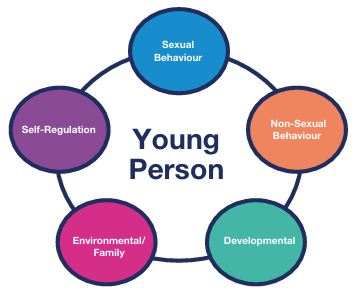
Table 3: Factors to be assessed within each Domain
Sexual Behaviour
Non-Sexual
Behaviour
Developmental
Environmental/
Family
Self-Regulation
Nature of the Harmful Sexual Behaviour
Extent of Harmful Sexual Behaviour
Victim Characteristics
Sexual Aggression and Violence
Sexual Knowledge, Attitudes and Interests
Non-Sexual Criminality
Non-Sexual Aggression and Anti-Social Behaviour
Alcohol and Drugs
General Behaviour
Mental Health and Well-being
Trauma and Victimisation
Childhood and Adolescent Adversity
Attachment
Family Functioning
Health, Intellectual and Emotional Functioning
Stability and Safety
Parental/Carer Supervision
Relationships
Peer Group
Education, Employment and Leisure
Responsibility
Motivation and Engagement
Future Perspective
Problem Solving
Social Competence
Items to be considered to assess the Factors
To assist in the analysis of each of the 25 Factors, a range of Items are identified that may be considered by practitioners using the assessment model to inform their understanding of that specific Factor. These Items are drawn from relevant research evidence and, in some cases, from professional experience and consensus. They are intended as a guide to the kinds of issues practitioners might explore when assessing the Factor in question.
Sometimes it is the interaction between Items—and their cumulative impact—that is most significant in the analysis of a Factor. The absence of an Item may therefore be as relevant as its presence. Given the individuality and complexity of each young person and their harmful sexual behaviour, there may also be information relevant to a specific Factor that is not captured in the suggested Items. For this reason, the list of Items should be viewed as indicative rather than exhaustive. Accordingly, Items are not scored individually; they are designed to assist practitioners’ professional analysis of the Factor as a whole.
The Domains, Factors and Items across the whole model are outlined in Table 4 below:
Table 4: AIM3 Assessment Model: Domains, Factors and Items
Sexual Behaviour
- a)HSB includes penetration or attempted penetration
- b)The young person displays harmful sexual behaviour towards another person in their current living environment
- c)Sexual behaviour includes unusual sexual activities
- d)The HSB includes technology facilitated sexual behaviour
Behaviour
- a)Previous HSB
- b)Previously been sanctioned for HSB
- c)HSB began pre-puberty and continues in adolescence
- d)Repeated HSB towards a victim
- e)Duration of HSB
- a)Harmful sexual behaviours towards strangers
- b)HSB towards multiple victims
- c)Age and development
- d)Relationship to victim
- e)Unique characteristics
Violence
- a)The use of aggression or violence as part of HSB
- b)HSB continued when victim demonstrated non-consent/distress
- c)HSB based on grievance thinking/revenge
Attitudes and Interests
- a)The level and appropriateness of sexual knowledge
- b)Sexual regulation and preoccupation
- c)Use of pornography
- d)Sadistic/violent sexual thoughts
- e)Sexual abusive attitudes including towards victims of HSB
- a)Previous non-sexual offending
& Anti-Social Behaviour
- a)Aggressive non-sexual behaviour
- b)Harm to animals
- c)Pervasive anger
- d)Recent escalation in aggression
- a)Alcohol and substance use
- a)Early onset, severe non-sexual behavioural problems
- b)Neurodevelopmental conditions
- c)Highly impulsive or compulsive
Wellbeing
- a)Formal diagnosis of a mental health problem
- b)Social isolation and/or emotional loneliness
- a)Experiences of childhood abuse
- b)Unresolved trauma
Adolescent Adversity
- a)Family crisis
- b)Domestic abuse
- c)Chaotic family system
- a)Quality of attachments with parents or carers
- a)Parent/carers have a history of not addressing (or have not resolved) their own trauma
- b)Parent/carers support network
- c)Sexual Abuse within family system
Emotional Functioning
- a)Emotional regulation
- b)Perception of self
- c)Empathy skills
- d)Emotional congruence with prepubescent children
- e)Educational ability
- f)Physical health
- a)Stability of living environment
- b)Safety in living environment
Supervision
- a)Parental protective attitudes and behaviours
- b)Parental coping strategies
- c)Parental awareness of the HSB and ability to supervise
- d)Parental attitudes toward victims
- e)Parental engagement with professional interventions
- a)Extent and quality of support network
- b)Relationships with professionals
- a)Extent and quality of peer relationships
- b)Influence of peers on behaviour
and Leisure
- a)Daily structure and leisure interests
- b)Engagement with school or employment
- a)Responsibility for referral behaviour
- b)Attitude towards the HSB
Engagement
- a)Motivation to address HSB
- b)Engagement with supervision/safety plans
- a)Positive pro-social realistic goals/plans
- a)Problem solving skills
- b)Coping strategies
- a)Social skills
- b)Assertiveness Skills
- c)Life skills
Scoring of the AIM3 Assessment Model
NB: A template for the AIM3 Scoring and Analysis Sheet is given in Appendix 3.
Purpose of Scoring in AIM3
The scoring process within the AIM3 model is designed
to support professional thinking and analysis, not to
replace it.
AIM3 is not a psychometric or standardised measure.
Its purpose is to help practitioners structure and
synthesise complex information about a young person’s
sexual behaviour and broader life context. The quality of
the assessment thinking that underpins the scoring is
therefore more important than the numerical score itself.
Scoring provides a visual and conceptual summary of
areas of relative concern and strength, assisting the
practitioner and where appropriate, the young person
and their caregivers to understand the key domains
requiring support or intervention.
What the Scores Represent
Each of the five Domains in AIM3 comprises five Factors.
Each Factor is scored according to the practitioner’s
professional judgement of the current level of concern.
Scores are not about whether a particular event or
circumstance has ever been present, but about whether
it is a current area of concern in the young person’s
life.
For example, a young person may have a history of
abuse, but if this has been acknowledged, addressed
therapeutically and the young person is now well
supported and believed, this would not automatically
represent a high current concern score. Conversely, if
the impact of past abuse continues to affect the young
person’s functioning or relationships, that ongoing impact
may appropriately be reflected in a higher concern rating.
Thus, the focus is always on the here and now—how
each Factor currently influences the young person’s
development, relationships and behaviour.
Scoring Framework
AIM3 uses a consistent three-point scoring frame across
all Factors:
indicating a significant concern in the factor
identifying some concern
indicating there is no general concern within this factor/or (where appropriate to the factor concerned) that the factor represents an area of strength
When scoring each Factor, practitioners should consider
all relevant information relating to the indicative Items,
as well as any other evidence available and then reach
a balanced professional judgement about the level of
current concern.
Items are not scored individually. They are provided as a
guide to the kinds of issues that might inform the analysis
of the Factor as a whole. The presence or absence of
any single Item should not drive the score; rather, it is the
cumulative impact and interaction of Items—and their
relevance to the young person’s current functioning—
that matter most.
Building the Profile
Once each Factor within a Domain has been scored, the
five Factor scores are considered together to reach an
overall Domain score.
This helps to identify patterns across the Domains—
highlighting areas that may require focused intervention,
as well as strengths that can support change.
These scores are then plotted on the AIM3 Profile Graph,
which provides a visual representation of the assessment.
The graph can be a helpful tool for discussion with
colleagues, supervisors and—where appropriate—the
young person and their parents or carers.
Indicative interpretation of Domain scores can be broadly
understood as follows:
• Red Domain score: areas requiring significant and
immediate attention.
• Amber Domain score: areas where some focused
work is likely to be needed.
• Green Domain score: areas of relative strength
or lower concern that can be used to promote
resilience and desistance.
Integrating Scoring into Case Formulation
• The scoring and profile provide a structured
foundation for analysis, but they do not replace
clinical reasoning or case formulation.
• The AIM3 process culminates in a case formulation
that synthesises information across Domains to
identify why the young person’s harmful sexual
behaviour has occurred and what needs to happen
next.
• Scoring is therefore a means to an end, a framework
to support reflective, evidence-informed thinking
and collaborative planning.
Practice Note: Avoiding Common Misinterpretations of Scoring
AIM3 is not a psychometric or diagnostic test. Scores are intended to guide professional reflection and discussion, not to produce a numerical ‘result’. The value lies in the thinking and analysis that underpin the scores.
Key points to bear in mind:
1. Focus on the current level of concern.
- Scores should reflect how each Factor affects the young person now, not simply whether it has ever been present.
- Example: A history of abuse does not automatically mean a high concern score. If the young person has received support and shows recovery, this may now be a low or no concern area.
2. Historical does not mean static.
- Some past experiences may continue to shape the young person’s wellbeing. Others may have been addressed and resolved.
- The scoring should capture ongoing impact, not historical occurrence.
3. Do not add up Items mechanically.
-
Items are prompts for reflection, not checklist points. It is the overall pattern, relevance and interplay of information that matters.
4. Remember professional judgement.
- Scoring should always follow a reasoned discussion of evidence and context. Where team assessments are used, discrepancies should be explored rather than averaged.
5. Use the scores to tell a story.
- The profile graph and Domain scores provide a visual ‘snapshot’ that can help communicate the assessment to others—but they must be interpreted within the wider formulation narrative. This emphasises the importance of quality supervision.
6. Caution against double scoring.
- Information may be relevant to more than one Domain, but each Domain is looking at the information from a new angle, therefore different aspects of the information are being considered.
- For example, information about family functioning in Domain Three, Factor 4 may be revisited in Domain Four, Factors 1 and 2.However, the same information should not be considered in isolation or duplicated across Domains; rather, it should only be interpreted within the context of the specific Domain and Factor being assessed, with consideration given to how it contributes to the particular question that Domain is seeking to answer.
Domains can be considered against three indicative bands:
- Red Domain Score (14-20) areas requiring significant and immediate attention
- Amber Domain Score (6-12) areas where some focused work is likely to be needed
- Green Domain Score (0-4) areas of relative strength or lower concern that can be used to promote resilience and desistance
It is recommended the AIM3 tool is used to review the progress the young person makes over time, with the goal being to reduce each of the Domains to levels within at least the ‘amber’ band, but ideally the ‘green’ band. The AIM3 model review can be utilised in professional supervision and aid development of individualised interventions for the young person and their family and with the young person to help them visualise their own progress and next steps.
An example of an AIM3 profile graph is given below:
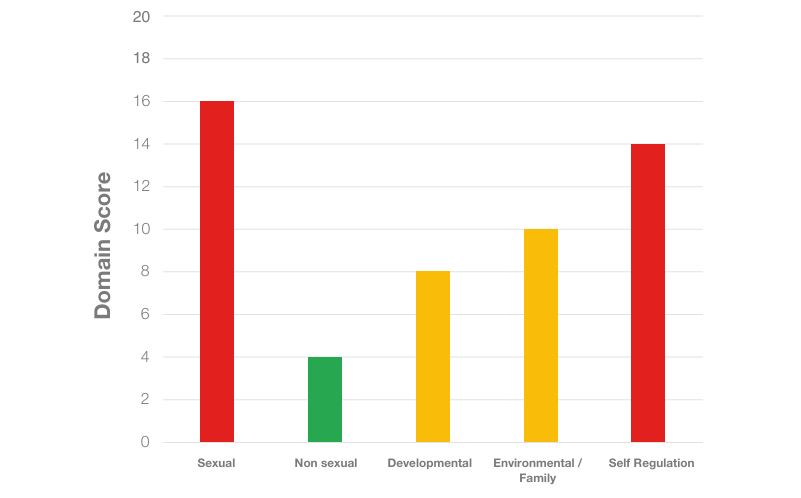
4.2 Domain One: Sexual Behaviour
This Domain focuses on the young person’s sexual behaviours. It includes what is known about their harmful sexual behaviour and their wider sexual behaviour, including:
• how these behaviours were learned
• what factors have informed or influenced them
• the young person’s sexual attitudes and beliefs
• how the young person generally manages their sexuality
• the part that HSB plays within their overall sexual development to date
This Domain examines the extent to which a young person’s sexual behaviours differ from what would be developmentally expected or healthy, taking into account their chronological age, developmental stage and wider context. It also considers the influences, meanings and drivers underlying the behaviour.
As this Domain focuses explicitly on sexual behaviour, it carries perhaps the greatest potential for misinterpretation as a static record of past events. It is important to remember that AIM3 does not assess the historical presence of behaviours in isolation, but rather the current level of concern associated with them. Past behaviour may be highly relevant to understanding patterns and learning, but it only contributes to a higher concern rating if its effects or drivers remain active in the present—for example, if the behaviour is ongoing, unresolved or continues to reflect concerning sexual attitudes or vulnerabilities.
Where past behaviours have been acknowledged, addressed and integrated into a broader process of understanding, support and change, they may not represent a current area of significant concern. The focus of this Domain is therefore on understanding and analysing the young person’s sexual development and functioning as it presents now, within its developmental and relational context.
Completion of the young person’s known life experiences and events with professionals will assist as practitioners explore the Domains with the young person and their parents / carers towards completion of their ‘My Life Journey’.
The 5 Factors within this Domain are:
Factor 1: Nature of the Harmful Sexual Behaviour
Rationale
This Factor focuses on the type, form and characteristics of the young person’s sexual behaviours and the extent to which these are atypical or harmful when considered in relation to their age, developmental stage and context. It seeks to identify what makes the behaviour harmful—for example, the presence of coercion, aggression, manipulation, secrecy, power imbalance or exploitation or where sexual gratification is linked to such elements.
The purpose of this Factor is to help practitioners develop a clear understanding of what has occurred, how it occurred and what it may represent in terms of the young person’s sexual development and functioning. This understanding provides a foundation for analysing risk, meaning, motivation and need for intervention.
Practitioners should gather as much detailed information as possible about all known instances of the behaviour, going beyond simple offence descriptions or the young person’s own account. Accessing victim statements or accounts, as well as collateral information from parents, carers, professionals or police reports, can provide valuable perspectives and help clarify the impact and context of the behaviour.
It is essential that practitioners possess a sound understanding of what constitutes different forms of sexual behaviour and their legal and developmental implications. However, the focus of analysis is not solely on whether the behaviour occurred, but on what it tells us about the young person’s current level of concern—for instance, whether elements of the behaviour, attitude or motivation remain active, unresolved or continue to shape the young person’s sexual thinking or relationships.
Items relevant to this Factor include:
Item Descriptions
a) HSB includes penetration or attempted penetration
Item Description
In this context, penetration refers to the non-consensual insertion of the penis, digit or other object into the vagina, anal passage or mouth of another person. This may also include situations where a young person has coerced or manipulated another person into self-penetration, including through digital or online means.
Not all young people displaying HSB engage in penetrative acts and among those who do, such behaviours vary considerably in intent, meaning and impact (Hackett et al., 2013). Penetrative HSB can range from behaviours that reflect limited understanding or experimentation through to coercive, aggressive or sadistic acts that cause significant harm.
Emerging research indicates that young people whose harmful sexual behaviour involves coercion, force or penetrative acts are more likely to present with elevated risk of physical and emotional harm to others (McPherson et al., 2024; McKibbin et al., 2024). These individuals also tend to show a range of underlying vulnerabilities — including histories of trauma/adverse childhood experiences, general antisocial behaviour patterns, difficulties in peer and family relationships and (in many cases) indicators of poor impulse control, lower empathy or distorted sexual beliefs.
While this Item helps identify seriousness and potential for harm, practitioners should interpret it in the context of the young person’s current functioning. Past penetrative behaviour does not automatically indicate ongoing high concern if the young person has engaged meaningfully in intervention, shown empathy and accountability and developed healthier sexual attitudes. The focus remains on whether the drivers and risks associated with the behaviour remain active in the present.
Analysis
Practitioners should consider:
- The age of the victim, especially if the victim was pre-pubescent (where the risk of physical injury is particularly high)
- The nature of the object and how it was used to penetrate and whether this caused further injury; was the use of an object an escalation from the use of digital/penile in the HSB?
- Whether there is evidence that there was intent to inflict physical pain and emotional distress
- If penetration was attempted, but did not take place, why not? Did the victim’s distress impact on the young person in continuing to attempt penetration?
- If the HSB was technology-facilitated, did the material sought focus on or include penetrative acts, in the case of using technology to sexually exploit a known victim and was the victim made to engage in penetrative acts?
b) The young person has displayed harmful sexual behaviour towards another person in their current living environment
Item Description
This Item explores whether the young person has displayed harmful sexual behaviour (HSB) towards others within their current living environment, such as their family home, foster placement, residential unit or supported accommodation. HSB within these contexts presents particular relational, emotional and safeguarding complexities.
Practitioners should consider any negative or controlling behaviour the young person displays towards the victim(s) or others they live with, including intimidation, threats or emotional manipulation. It is essential to recognise the emotional impact of fear, anxiety or hypervigilance on any victims living alongside the young person and how this affects their sense of safety and wellbeing.
This Item is especially pertinent in cases of intrafamilial or sibling sexual abuse, where the dynamics of family relationships and caregiving structures may shape both opportunity and response (Yates & Allardyce, 2021). Assessment should explore how the HSB occurred within the family system – for example, whether the young person exploited poor parental supervision, exercised power within the sibling hierarchy or targeted multiple siblings. Consideration should also be given to the awareness and experiences of other siblings and to the parental response to disclosure or to behavioural changes in the victim(s).
A key part of the assessment is understanding how the young person was able to maintain their HSB despite visible distress or behavioural changes in the victim(s). This exploration can reveal factors such as secrecy, coercion, permissive sexual boundaries, family denial or systemic minimisation that allowed the behaviour to continue.
Effective assessment and safety planning should therefore identify both why and how the HSB was able to occur and continue within that environment and what relational or contextual changes are required to ensure safety, accountability and recovery for all involved.
Analysis
Practitioners should consider:
- How the young person is or was able to display HSB within their own living environment
- Consider the sibling relationships prior to the HSB and how secrecy was gained with the sibling victim
- The extent to which they can exploit the people/environment in which they live to engage in HSB without being caught
- How the young person can engage in HSB and maintain the victim’s silence in that environment
- The means used by the young person to silence the victim if previous harmful sexual behaviour occurred on more than one occasion or if there were multiple victims; was the victim’s silence gained through threats or treats?
- How the young person exploits and manipulates routines in the living environment to access the victim and how they overcome family/carer supervision within the environment
- Consider the confidence of the young person being able to sexually abuse in their living environment without being caught/victim disclosing. Is this due to competent ‘grooming’ of the environment and people or is it due to a lack of appropriate parental supervision which was then exploited?
- In the case of sibling abuse, it will be important to cross-reference with the information and analysis gathered as part of Domain Four
c) Sexual Behaviour includes unusual sexual activities
Item Description
This Item focuses on whether the young person shows sexual interest in or is sexually aroused by, activities, situations (including group based), people or objects that are illegal, coercive or highly atypical for their developmental stage. It is important to recognise that curiosity, fantasy and experimentation are normal parts of adolescent sexual development and that some exploration does not necessarily indicate abnormal or deviant sexual interests.
However, when a young person’s sexual arousal or gratification depends upon or is strongly associated with, activities that are illegal or developmentally atypical, this may indicate the presence of emerging paraphilic interests or entrenched patterns of concern (Zolondek et al., 2001; Seto, 2018). Such interests may include sexual arousal to prepubescent children, animals, violence, pain, humiliation, non-consensual acts or fetishistic arousal to objects or bodily materials (for example, urine, faeces, shoes, feet, underwear, rubber or cross-dressing)
This Item should consider not only the behaviour leading to referral but also any previous sexual behaviours—whether harmful to others or not—that may provide insight into underlying sexual interests or arousal patterns.
Practitioners should seek to understand why, at their age and developmental stage, the young person engages in or is drawn to these activities and how they have learned about them. For example, did exposure occur through pornography, peer discussion, personal experience or coercive contexts such as com networks? Digital and online influences are particularly relevant, given the accessibility of extreme or deviant sexual material (Children’s Commissioner for England, 2023).
Analysis
Practitioners should consider:
- The age and developmental stage of the young person
- How and when the young person became aware of the unusual sexual activity (for example, exposure through pornography, peers or direct experience)
- The role of digital media, online environments or pornography in shaping or reinforcing sexual arousal patterns
- The extent to which the young person appears to need the unusual sexual interest to achieve sexual arousal or gratification
- The extent to which the specific unusual sexual behaviour forms the basis of any HSB or whether it became an element of HSB that was already taking place
- If the HSB has involved the use of objects or any behaviour extending beyond contact with body parts, this should be explored in depth by the practitioner to understand its origins within the young person’s sexual thoughts and experiences. Assessment should consider how any sexual interest in the object developed, what function or meaning it serves for the young person and whether it reflects experimentation, curiosity or a more entrenched pattern of sexualised behaviour
- If the sexual interest seems to be unwanted/distressing to the young person themselves and impacts on their mental health and well being
- If their unusual sexual interest is linked to and driven by their neurodiversity, both the young person and their parents may find this distressing, for example if echolalia is a feature
d) The HSB includes technology based sexual behaviour
Item Description
This Item considers the role that technology has played in the young person’s HSB. This may include youth-produced sexual images (nudes or semi-nudes), sexualised texting (sexting), viewing, producing or distributing indecent images of children, grooming a child online, arranging to meet a child offline to engage in sexual activity, viewing fantasy or simulated sexual abuse material or using encrypted, dark or deep-web platforms. Also to consider whether they are engaged in sharing through com networks.
It is important to distinguish between normative digital sexual exploration—such as consensual, age-appropriate image sharing or online flirting between peers—and behaviour that is harmful, exploitative or illegal. Assessment should therefore focus on context, consent, intent and impact rather than on the presence of technology alone.
Practitioners should identify how technology is used as part of the HSB and explore the broader context of the young person’s online life. This includes understanding their access to and use of devices, online profiles, social media activity, gaming interactions and online peer networks. Given the integration of technology into young people’s social and sexual development, distinguishing between normative online behaviour and harmful or exploitative use is critical.
The assessment should also explore whether technology has amplified or extended other aspects of the HSB, such as coercion, manipulation or access to victims. For example, technology may have been used to initiate, sustain or escalate contact; to share images or threats; or to reinforce unhealthy sexual scripts and attitudes (NSPCC, 2023).
Analysis
Practitioners should consider:
- How technology has been used as part of the HSB, including the platforms, apps or communication methods involved
- The extent to which technology was integral to the HSB or a secondary tool to facilitate, maintain or conceal it
- Whether technology has been used to groom, exploit or manipulate victims, including coercive image sharing or threats
- If the young person’s HSB is influenced by their own experience of sexual exploitation and they are being coerced by their abusers to take/share/send imagery of others to prevent images of themselves being shared further.
- The degree to which technology use reflects or supports unusual or concerning sexual interests
- The young person’s understanding of legality, consent and harm in digital and online contexts
- The role of peers and online communities in normalising or reinforcing harmful sexual behaviours
- The young person’s level of supervision and parental or carer awareness of their online activities
- Any patterns of secrecy, risk-taking or compulsivity in their technology use
- As with in person HSB consideration of any previous concerns known and how these were responded to (or not)
Factor Scoring Guide: Nature of the Harmful Sexual Behaviour
Considering the Items above and any other information relevant to this Factor, score how far the young person’s sexual behaviour is of a serious harmful nature (for example, involving coerced penetrative abuse, unusual sexual activities with a harmful impact on others, using technology to harm others in a sexual way):
Factor 2: Extent of Harmful Sexual Behaviour
Rationale
This Factor explores the pattern, progression and developmental trajectory of the young person’s sexual behaviours over time, rather than treating extent as a fixed or purely historical measure. It examines how the young person’s sexual behaviour has emerged, evolved and been shaped by contextual, relational and environmental factors, recognising that harmful sexual behaviour (HSB) is often dynamic and responsive to change.
Practitioners should consider how current and previous behaviours connect — whether the HSB appears isolated or part of a wider pattern that has intensified, diversified or reduced in frequency or severity over time. Attention should also be paid to points where behaviours have stabilised, been interrupted or have de-escalated, as these transitions may reveal protective influences, developmental change or the impact of earlier interventions.
The Factor includes consideration of onset, duration and patterning of HSB — for example:
• When and how the first behaviours emerged and in what contexts;
• Whether behaviours have escalated or changed in nature or expression (for example, from online to contact behaviours or from exploratory to coercive acts);
• Whether previous responses, supports or life events have contributed to either containment or escalation.
Ultimately, this Factor encourages practitioners to view the young person’s HSB as part of an evolving developmental narrative, shaped by cumulative experiences and the capacity for change, rather than as a static record of incidents.
Items relevant to this Factor include:
Item Descriptions
a) Previous Harmful Sexual Behaviour
Item Description
This Item considers the nature and significance of any previous incidents (excluding current referral behaviours) where the young person was accused of harmful sexual behaviour. These include incidents which were unreported at the time or where no further action was taken in response to a referred incident.
Rather than viewing such behaviours solely as a record of past events, practitioners should explore how earlier incidents connect with or differ from current concerns — for example, whether they reflect a repeating pattern, a situational response or behaviour that has since been modified or contained. Understanding the sequence, context and resolution of earlier HSB can provide valuable insight into learning, risk and change over time.
Harmful sexual behaviour may include both contact and non-contact acts. Non-contact behaviours can involve sexual communication, exhibitionism, public masturbation, voyeurism, theft of clothing for sexual gratification or the use of technology for sexual purposes — such as sharing or requesting sexual images (‘sexting’), creating or possessing illegal sexual material or online grooming or harassment.
Analysis
Practitioners should consider:
- Any previous allegations, charges and/or convictions made against the young person prior to the referral incident
- Whether parents or carers were aware of the previous HSB and the adequacy of their attempts to stop or manage these previous instances of HSB
- The continuities between previous instances HSB and the current behaviours of concern, particularly why safety planning was not successful in preventing further behaviours
- When the HSB first occurred, was sexual behaviour displayed before it became harmful, has it escalated in severity frequency either through the sexual behaviour and/or number of victims
b) Previously been sanctioned for Harmful Sexual Behaviour
Item Description
This Item considers whether the young person has previously been subject to any formal or informal sanction or intervention in response to their sexual behaviour and — critically — how they and their support system understood, experienced and responded to that process. Completion of the young person’s life experiences through the ‘My Life Journey’ exercise will assist in gaining insight to previous concerning behaviours, interventions identified and engaged in (or not) and importantly what was the context.
Sanctions may include suspension or exclusion from school, removal from home or placement change, transfer to a more restrictive or specialist setting or police or court action. Interventions may include any targeted work undertaken with the young person and/or their family to address the HSB.
The purpose of this Item is not simply to record the presence of sanctions, but to explore their impact, meaning and effectiveness, including:
• How the young person perceived and made sense of the sanction or intervention;
• Whether the response contributed to learning, reflection or behavioural change or conversely to shame, resistance or further disengagement;
• The extent to which previous professional responses were proportionate, restorative and developmentally informed;
• What factors appeared to support or limit the young person’s ability to sustain change afterwards
This Item therefore helps identify whether past system responses have interrupted, reinforced or transformed behavioural patterns, providing insight into both risk and resilience processes over time (McPherson et al., 2024).
Analysis
The practitioner should consider:
- The nature and adequacy of previous sanctions for HSB and the young person’s understanding of the sanction
- Why and how the young person has engaged in further HSB despite having previously received specific sanctions for this behaviour
- The extent to which the young person engaged and completed previous interventions designed to stop HSB
- The nature and adequacy of previous HSB related interventions offered to the young person and family
- Any attempts made to support the child’s own trauma/impact of past abuse, as well as more behavioural based approaches
c) HSB began pre-puberty and continues into adolescence
Item Description
This Item examines the developmental continuities between HSB from childhood into adolescence. It considers how early-onset behaviours have evolved over time, how puberty has influenced their expression and what this reveals about the young person’s underlying developmental needs and social context. Pre-pubescent HSB may include both contact and non-contact behaviours that would be unlawful if carried out by someone over the age of criminal responsibility. When such behaviours persist or re-emerge in adolescence, practitioners should avoid assuming simple escalation; rather, they should explore how these behaviours have changed in form, meaning, motivation and context. For some, continuity may reflect enduring unmet needs, relational insecurity or entrenched patterns of coping and arousal; for others, apparent repetition may arise from renewed stressors or developmental transitions
The earlier the young person’s harmful sexual behaviours began, the more likely it is that they have been exposed to adverse or sexualised environments, including experiences of sexual abuse, neglect or limited caregiver boundaries and guidance. Early-onset HSB often reflects complex developmental influences and may arise from difficulties in attachment, emotion regulation or social learning rather than necessarily from entrenched sexual interests (McKibbin et al., 2024).
Puberty may alter the intensity, expression and meaning of sexual behaviour as sexual interests, identity and peer dynamics evolve. Understanding how the young person’s HSB interacts with these developmental processes is key to assessing both risk and potential for change (Jensen et al., 2020).
Analysis
The practitioner should consider:
- The nature, meaning and context of the young person’s pre-pubertal HSB – for example, whether this occurred as part of or in response to, their own sexual victimisation or early exposure to sexualised environments
- Whether the young person received recovery support for their own victim experiences and the extent to which these experiences remain unresolved
- The degree to which the young person experienced early sexualisation in their pre-pubertal developmental phase and how the young person has managed these sexual feelings and behaviours since
- The similarities and differences between pre-pubertal and current (referral) behaviours – including patterns in victim choice, age or gender, relational context, emotional tone and underlying motivation
- The degree to which the current HSB reflects an ongoing attempt to make sense of, control or re-enact earlier experiences of sexualisation, abuse or powerlessness in adolescence’s new relational and sexual contexts
- How earlier experiences and behaviours have shaped, constrained or distorted the young person’s sexual development during puberty and adolescence, including their emerging sense of identity, intimacy and self-regulation
- Whether there is evidence of change between developmental phases — for example, whether early behaviours have diminished, transformed or intensified as the young person has matured
d) Repeated HSB towards a victim
Item Description
This Item assesses the degree to which the young person has repeatedly engaged in HSB towards the same victim or victims — that is, where abuse has occurred on more than one occasion. While repeated behaviour can indicate greater behavioural reinforcement or entrenchment, it is essential to explore the developmental and contextual factors that have contributed to this pattern rather than viewing it solely as evidence of fixed risk (Carpentier & Proulx, 2011)
Repeated HSB may reflect a learned or conditioned pattern of behaviour, but it can also arise from dynamics such as opportunity, secrecy, emotional dependency or coercive control within the relationship. Understanding the function and meaning of repetition — for example, whether it represents compulsion, attachment seeking or attempts to regain power — is important in assessing both risk and intervention needs.
This pattern also has direct implications for safety planning and relational boundaries, particularly where the victim remains in the same environment or has ongoing contact with the young person. Exploring how the HSB evolved over time and whether there have been changes in awareness, empathy or self-control since is central to assessing capacity for change and informing proportionate responses.
Analysis
The practitioner should consider:
- How the young person was able to silence the victim over a sustained period of time, especially if the victim was a sibling or living in the same environment
- The young person’s ‘confidence’ in being able to repeatedly sexually abuse the same victim but also their ‘competence’ in not being caught
- The degree to which the young person was able to exploit gaps in supervision, the victim’s family routines or the dynamics of sibling roles – and how these contexts can be safely reshaped
- The degree to which the behaviour became habitual or emotionally reinforcing and what this suggests about the young person’s learning processes, coping strategies and capacity to establish healthier relational patterns
e) Duration of the HSB
Item Description
This Item considers the length of time over which the HSB has occurred, recognising that the duration may not always be fully known or previously identified. During assessment, young people sometimes disclose additional incidents of HSB, either involving the same victim or others, which may extend the known timeframe of their behaviour.
Exploring duration helps practitioners to understand how the behaviour has developed, been maintained or changed over time.
Longer-term patterns may indicate that the HSB has become integrated into the young person’s coping strategies, routines or ways of relating to others (McKibbin et al., 2024). Understanding what has sustained or interrupted the behaviour — for example, relationships, stressors, opportunity, supervision or emotional triggers — is central to assessing both risk and capacity for change.
Young people may initially minimise the duration or portray the HSB as a single event, reflecting shame, fear or partial self-awareness. Gathering information from multiple sources, including victims, carers and previous records, can therefore help to build a fuller picture of the temporal pattern and developmental context of the HSB.
Analysis
The practitioner should consider:
- When the young person’s sexual behaviour became harmful
- The length of time and frequency the HSB has been occurring
- The nature of the HSB over the duration, has it changed in severity, frequency, victim characteristics
- The emotional, cognitive and behavioural methods the young person has used to manage the HSB for themselves and to prevent victims from disclosing and others from discovering
- Whether the young person had ceased the HSB when the victim disclosed or was still engaging in HSB
- When is the young person saying the HSB stopped
- Has the young person tried to desist from engaging in HSB, what worked for the young person and what triggered the young person to persist in engaging in HSB
Factor Scoring Guide: Extent of the Harmful Sexual Behaviour
Considering the Items above and any other information relevant to this Factor, score how extensive the young person’s harmful sexual behaviour is (for example, the degree to which behaviours are continuous between developmental periods, have been repeated or have escalated in frequency or nature over time, whether the behaviours have been managed successfully or interrupted previously):
Factor 3: Victim Characteristics
Rationale
This Factor explores who the young person has harmed or attempted to harm, including the number of victims, their age, developmental stage and relationship to the young person. Understanding the range and pattern of victim characteristics helps to identify those to whom the young person may pose specific risk and to inform proportionate, context-sensitive safety planning.
Research highlights that the characteristics of those harmed often reflect a complex interaction of access, opportunity, emotional connection and developmental factors, rather than simply preference or intent (McKibbin et al., 2024). Who they choose to victimise can offer important clues about the young person’s psychosocial development, emotional needs, attachment style and sexual scripts. For example, some young people harm peers in the context of exploration, coercion or peer status-seeking, while others target younger children within caregiving or sibling relationships where power and opportunity are combined (Jensen et al., 2020; McNeish & Scott, 2023).
Examining the closeness and dynamics of the relationship between the young person and those they have harmed provides valuable insight into motivation, opportunity and meaning. The degree of familiarity, emotional intimacy or authority within the relationship may have contributed to the commission of the behaviour through trust, access, dependency or misinterpreted affection, all of which are important for both understanding and intervention planning.
Items relevant to this Factor include:
Item Descriptions
a) Harmful sexual behaviours towards strangers
Item Description
This Item considers whether a young person has targeted strangers as part of their HSB.
A stranger is defined as an individual whom the young person did not know or had not met, including online or through social media, 24 hours prior to the harmful sexual behaviour. This also includes victims who were sexually abused by the young person offline and online where contact was made less than 24 hours before the incident who were not known 24 hours prior to the sexual abuse. A person is considered known if the young person had previously met, communicated with or could recognise them.
Practitioners should also consider those with whom the young person had interacted via webcam or online messaging. Where there has been sustained communication or familiarity, these victims should be regarded as known rather than strangers.
Most young people who engage in HSB harm victims known to them, typically in family, peer or community contexts (Hackett, Masson, Balfe & Phillips, 2013). Harmful sexual behaviour directed towards strangers is relatively rare. For example, in Finkelhor and colleagues’ (2009) large sample of 12,450 young men who had sexually offended, only 2.6% of victims were strangers. Recent evidence suggests that even though stranger-victim HSB remains uncommon, the increasing role of online contact and less familiar victim relationships means practitioners must be alert to opportunities for access and disinhibition in contexts of anonymity and reduced relational connection (Jensen et al., 2020; Mori et al., 2023).
HSB directed towards strangers may reflect more disinhibited or externally focused patterns of sexual behaviour and in some cases is associated with greater aggression, predatory intent or physical coercion (Jensen et al., 2020; McKibbin et al., 2024). Such behaviours can indicate poorer impulse control, social detachment or limited capacity for empathy, all of which have been linked to an elevated likelihood of recidivism without targeted intervention (Mori et al., 2023).
However, with indicators of a lack of empathy, then it is essential to assess if this is connected to the individual’s overall development, for example, developmental delay may be relevant. With regard to neurodevelopment, assumptions that young people with neurodiversity or those with learning disabilities cannot display empathy should be challenged.
Analysis
The practitioner should consider:
- The reasons behind the young person’s selection of a stranger as a victim
- The presence of any emotional intimacy with the stranger or was the behaviour focused on sexual gratification only
- The environmental circumstances in which the HSB towards strangers occurred
- The degree to which the HSB of strangers was opportunistic or pre-planned
- Whether indicators of a lack of empathy suggest developmental delay or neurodevelopmental issues such as autism or learning disabilities
- Whether stranger victims were randomly chosen or specifically sought out (for example because of their specific vulnerability)
- The implications for safety planning and supervision of the young person’s selection of stranger victims, as opposed to known victims
b) HSB towards multiple victims
Item Description
This Item considers the total number of people a young person has targeted. High numbers of victims may indicate an entrenched pattern of harmful sexual behaviour, especially if they occur across time and in different contexts (Carpentier & Proulx, 2011; McKibbin et al., 2024). However, caution is needed when technology has been used as there may be many victims of different age, gender or vulnerability but this can be about the reach of the digital world and therefore may not have the same implications for sexual interests or entrenched patterns of behaviour. In assessing this Item, the harmful sexual behaviour can include in person victims as well as those made victims through technology-facilitated sexual behaviours.
Analysis
Consideration should be given to:
- The total number of victims who have been abused, how frequently and over what time period
- The degree to which multiple victims are similar or different in terms of age, gender, living environment, etc
- How the young person was able to abuse more than one victim, secure their silence and compliance, especially if the victims lived in the same environment or were siblings
- How the young person accessed, targeted and groomed victims as part of the abuse
- Whether the young person abused multiple victims over the same time period or individually at different periods of time
- If any victims were non-human (for example, animals), exploration of how the young person came to associate sexual meaning or arousal with that experience and what this reveals about their understanding of relationships, boundaries and sexual expression
c) Age and Development
Item Description
This Item examines the ages and developmental stages of those who are victimised. Understanding the age and developmental profile of victims is essential in assessing both risk and need. Such information can guide risk management and safety planning, ensuring that protective measures are appropriately tailored to those most at risk from the young person’s behaviour.
Many young people will display HSB towards individuals of a particular age or developmental stage, particularly either pre-pubescent children or peers/adults (Hackett et al., 2013). The choice of victim group does not in itself imply higher or lower risk, but rather different underlying dynamics and risk profiles. Some studies—with both juvenile and adult offender samples—suggest that those who target a wider and more undifferentiated range of victim types (for example: pre-pubescent children and peers of different genders) may show higher rates of sexual recidivism than those whose behaviour is limited to one victim type (Parks & Bard, 2006; Stephens, et al., 2018).
However, practitioners need to be cautious if the young person is neurodiverse or has a learning disability as they may have chosen victims for different reasons and the motivation for and the meaning of the behaviour may be completely different for them. For more information see the AIM Practice Guidance: Harmful Sexual Behaviour and Neurodiversity (Leonard 2026) or AIM Practice Guidance: Harmful Sexual Behaviour and Learning Disability (Leonard, 2026).
Pre-pubescent victims are defined as children who have not yet reached puberty or developed secondary sexual characteristics. Targeting pre-pubescent children may arise for a range of reasons. For some adolescents, such victims may be chosen because they are more accessible, compliant or vulnerable. For others, the behaviour may reflect emerging sexual interests in younger children. Although only a small proportion of adolescents exhibit a clear sexual attraction to pre-pubescent children, where such attraction appears evident, this requires careful assessment to explore possible early or developing ‘paedophilic’ interests and any potential distress the young person experiences about having these interests.
Peers are defined as young people who are within the same age group as the young person and who do not have any developmental delay. HSB directed towards peers may reflect normative adolescent sexual interests, but inappropriate and abusive ways of acting upon these interests. HSB toward peers may occur in the context of a relationship between two adolescents and/or in group or online contexts.
Analysis
Practitioners should consider:
- The ages of victims and the age differentials between victims and the young person and any patterns that emerge across time that may inform risk management plans
- The extent to which victim age is reflective of sexual preference, as opposed to availability, accessibility and ease of harming
- The use of technology in influencing the young person’s sexual interests, arousal and gratification
- The dynamics of intimate partner relationships with peer victims, including the presence of any non-harmful sexual behaviours
- The extent to which peer victims are vulnerable by virtue of, for example, disability, prior abuse experiences, gender, etc.
- For victims older than the young person, the dynamics of the relationship and how the young person used power
- Any peer group related influences on the young person or victims, such as gang pressure, use of alcohol, drugs and general criminality
- Where HSB involved a sibling, the developmental stage of the sibling and whether any known vulnerabilities (such as learning disability, autism or physical disability) were recognised and exploited by the young person
- The degree to which the young person’s victims represent a consistent or varied developmental profile (for example, pre-pubescent children, peers or adults) and what this pattern may indicate about opportunity, motivation or the persistence of the sexual behaviour
d) Relationship to victim
Item Description
This Item considers the relationship between the young person and their victim and the role that this relationship played in the commission of the HSB. The nature and closeness of this relationship is a critical element in understanding the context, meaning and impact of the behaviour, as well as in planning risk management and therapeutic responses.
The impact of HSB can differ significantly depending on whether the victim is a family member, a peer, an acquaintance or a stranger. Victims who are related to and live with the young person—such as siblings, step-siblings or other family members—are likely to experience distinctive emotional, relational and safeguarding challenges. These may include complex feelings of loyalty, fear, confusion and guilt, particularly when family structures are disrupted or where ongoing contact cannot be easily avoided (McKibbin et al., 2025).
When the victim is a non-family member, the relational dynamics may involve different elements of trust, power or social interaction (Jensen et al., 2020). HSB within friendships or romantic relationships may emerge within broader patterns of peer influence, social status or coercive control. Where victims are acquaintances or strangers, the behaviour may reflect more instrumental, opportunistic or predatory features, sometimes accompanied by lower empathy or reduced awareness of harm caused. This is particularly relevant when the contact has been made with the victim online.
Understanding the relational context of the HSB is therefore essential to interpreting motivation, risk and the potential for restoration, reparation or safe contact in the future.
Analysis
Practitioners should consider:
- The existence of a relationship – either perceived or real – between the young person and the victim
- For those related to their victim, whether this relationship assisted the young person to engage in HSB by creating or maintaining secrecy
- The techniques used by the young person to create the opportunities to engage in HSB when related to the victim
- The impact on the wider family system of HSB towards family members
- The reasons underlying the choice of a related victim, including issues of consideration of attraction, opportunity and access
- The young person’s confidence and sense of entitlement when engaging in HSB within a family relationship
- Use of a position of power/trust with a victim and how this has assisted in the HSB
- In the case of sibling abuse, the nature of the sibling relationship prior to the behaviour, the level of parental supervision, the dynamics of wider sibling relationships and the extent to which the young person held — or perceived themselves to hold — power or authority over their sibling
e) Unique characteristics of the victim
Item Description
This Item explores whether the victim had any specific characteristics, circumstances or vulnerabilities that may have increased their exposure to risk, reduced their capacity to protect themselves or were exploited by the young person in the course of the HSB. Understanding these factors can help practitioners assess the relational dynamics, power differentials and opportunities that contributed to the behaviour.
Some offenders – both adolescents and adults – may deliberately or unconsciously target victims whom they perceive as more accessible, compliant or less likely to disclose due to age, disability, learning need, emotional dependency, isolation or social status (Brown et al., 2016; Mythen et al., 2024). In a small number of cases, the young person’s behaviour may reflect a sexualised interest in a particular characteristic (for example, disability or physical immaturity), which warrants further assessment.
Practitioners should be cautious not to pathologise victim characteristics or imply responsibility. The focus should remain on how the young person recognised, responded to or exploited aspects of vulnerability or difference. These may include, for example, physical or cognitive impairment, communication difficulties, fear linked to discrimination or racism or dependency created through caregiving, power or trust.
Analysis
Practitioners should consider such characteristics such as:
- The extent to which the victim’s characteristics, circumstances or environment may have reduced their capacity to recognise, resist or disclose sexual harm
- Whether the young person identified or exploited perceived vulnerabilities in the victim (for example, developmental delay, disability, social isolation or emotional dependency)
- How power, authority or trust operated within the relationship — for instance, through caregiving roles, peer status, online influence or age difference
- Any social, cultural or structural factors (such as racism, sexism, homophobia or ableism) that may have contributed to the victim’s marginalisation or fear of disclosure
- The degree to which situational factors (for example, shared environments, institutional settings, online spaces or lack of supervision) increased accessibility and opportunity
- Whether the young person’s behaviour suggests a sexualised interest in a particular characteristic (for example, physical immaturity or disability) that requires further clinical assessment
- How the victim’s experience of the HSB may have been shaped by intersecting vulnerabilities (for example, gender, ethnicity, poverty, prior trauma or care experience)
Factor Scoring Guide: Victim Characteristics
Considering the Items above and any other information relevant to this Factor, score how far the range, nature and dynamics of the young person’s victimisation behaviours are of concern (for example, the relationship between the young person and victims, the number of victims targeted and the developmental status of those who are victimised):
Factor 4: Sexual Aggression and Violence
Rationale
This Factor explores the degree to which the young person has used aggression or violence within their harmful sexual behaviour (HSB), either as a means to control or coerce a victim or as a source of sexual arousal. Understanding the presence, function and meaning of aggression within the HSB is crucial for assessing both risk and the young person’s capacity to form safe, respectful and consensual intimate relationships in the future.
Research indicates that while most children and adolescents who display HSB do not show evidence of sexual sadism or arousal to aggression, a small subgroup may demonstrate patterns of hostility, dominance or physical coercion that form part of their sexual scripts (Carpentier & Proulx, 2011; Lussier et al., 2023). These dynamics are associated with more intrusive behaviours, greater harm to victims and increased recidivism risk.
Assessment should explore whether the aggression evident was instrumental (used to achieve compliance) or expressive/eroticised (linked to sexual gratification or arousal). The latter pattern is particularly concerning when the young person appears sexually excited by a victim’s distress, resistance or fear. In either case, the goal is to understand the developmental and contextual processes underpinning the behaviour rather than to infer adult sexual deviance.
Items relevant to this Factor include:
Item Descriptions
a) The use of aggression or violence as part of HSB
Item Description
This Item explores whether the young person used aggression, coercion or physical force as part of their harmful sexual behaviour (HSB). Aggression is defined as a deliberate act intended to cause physical or emotional harm. While any sexual assault involves an element of coercion, this Item focuses on instances where aggression or violence extends beyond what was used simply to obtain compliance — for example, where it reflects anger, retaliation, excitement or a desire for domination or control.
Aggression may take different forms, including verbal intimidation, emotional manipulation, physical force or threats of violence — either in person or via technology (for example, threatening messages, image sharing or blackmail). Assessment should also include attempts at HSB that involved aggression but were interrupted or prevented.
Understanding the function of aggression is essential: for some young people, aggression may be instrumental, serving to silence or overpower the victim; for others, it may be expressive, reflecting loss of control, emotional dysregulation or the fusion of sexual arousal and hostility (Carpentier & Proulx, 2011). Distinguishing between these motives has implications for treatment focus and risk management planning.
Practitioners should seek the perspective of the person harmed, wherever possible, to understand what the aggression involved and how it was experienced. Young people may minimise, deny or fail to recognise the impact of their actions. It is therefore important to gather multi-source information and to consider both verbal and non-verbal forms of aggression, including threats, humiliation or expressions of anger during or surrounding the HSB.
This Item should not be viewed as a static trait but as a dynamic feature that can emerge, reduce or change across contexts and time. Practitioners should consider situational triggers, emotional states and relational factors that may increase or decrease the likelihood of aggression within sexual behaviour.
Analysis
Practitioners should consider:
- The victim’s account of their experience, including what forms of actual or implied aggression or violence were threatened or used
- The function of aggression within the HSB — whether it appeared instrumental (used to achieve control or silence) or expressive (reflecting anger, emotional dysregulation or arousal)
- Any indicator that the aggression, threat or dominance formed part of the young person’s sexual arousal pattern
- Whether aggression was expressed verbally, non-verbally or through technology — including online threats, coercion or digital blackmail
- Any evidence that the young person minimises or lacks insight into the aggressive nature of their behaviour or demonstrates empathy deficits in understanding its impact
b) HSB continued when victim displayed non-consent or distress
Item Description
This Item considers whether the young person continued to engage in HSB when there was clear evidence of the victim showing distress, non-consent or non-compliance (including incapacity due to alcohol or drugs). A young person’s ability to gain sexual arousal and to continue to engage in sexual behaviour against the victim’s will or when the victim is distressed, raises concern about possible cold and callous interpersonal traits.
There is a theoretical link between the inability to recognise or respond to a victim’s distress and the continuation of sexual offending behaviours (Sousa et al., 2023; Barnett & Mann, 2016). A failure to empathise with a victim may allow the individual causing the harm to overcome feelings of anxiety or guilt and to maintain distorted cognitions such as believing the behaviour caused no harm, that the victim consented or ‘enjoyed it’ or that their distress was unrelated to the sexual behaviour (Andrade et al., 2006).
This Item should be interpreted dynamically, recognising that empathy and moral understanding can develop over time and that the young person’s current capacity for reflection and emotional learning may differ significantly from that evident at the time of the behaviour.
Practitioners should be aware if the victim is neurodiverse or has learning disability this may affect how they demonstrate their distress / emotions and behaviours when they are being harmed. Alongside this is if the young person who is harming is neurodiverse or has learning disability, how they interpret emotions and behaviours generally, must be understood, before assessing how they interpret their victim’s emotional and behavioural responses at the time of the HSB.
Analysis
Practitioners should consider:
- The victim’s account of how they showed distress, non-consent or non-compliance, consider if the victim is neurodiverse /or has a earning disability which may influence how they showed their emotional and behavioural response to the harm being caused to them
- If the HSB ceased in response to distress, the extent to which this was due to the young person’s concern for the victim, as opposed to fear of detection or consequence
- The young person’s understanding of their decision to continue (or not) to engage in sexual activity with someone who was evidently showing distress
- Exploration of any association the young person has developed between negative emotion and sexual arousal, including the influence of pornography, social media or peer narratives, etc
- The presence of possible cold and callous traits/ attitudes or emotional detachment
- The young person’s ability to reflect on the victim’s experience when later discussing the incident
- Any evidence of learning, empathy development or change in their attitudes towards their harmful sexual behaviour since the behaviour occurred
- Any evidence or concern about the young person being neurodiverse or having learning disablity which may affect how they understood victim emotional / behavioural response
c) The extent to which the HSB was based on grievance thinking or revenge
Item Description
This Item considers the presence of HSB which appears to be motivated by feelings of grievance or revenge on the part of the young person. ‘Grievance’ refers to a strong feeling of resentment and ‘revenge’ refers to direct or indirect retaliation against an individual or group in response to a perceived wrongdoing.
Although direct empirical research linking grievance-based motivations and HSB in young people is limited, clinical experience suggests that entrenched feelings of anger, humiliation or rejection may sometimes underpin sexually aggressive behaviour. In some cases, such emotions are directed at a specific person or event, while in others they may reflect broader hostility towards a social group (for example, based on gender, ethnicity or authority figures).
Young people whose HSB occurs in the context of a perceived wrong or stressor may experience sexual arousal intertwined with anger, resentment or frustration. For some, engaging in HSB during states of anger, emotional distress or perceived injustice may function as a maladaptive coping strategy to regain a sense of control or power (Seto, 2019). Where such links are evident, a more intensive therapeutic focus on emotion regulation, grievance thinking and empathy may be required.
The association between negative affect and sexual arousal is not a typical or healthy feature of adolescent sexual development and may become conditioned through repeated reinforcement (for example, through pornography, fantasy or technology-facilitated HSB). This Item should also be considered for young people who engage in sexual behaviours—online or offline—during periods of anger, rejection or low mood.
This Item should be interpreted dynamically, recognising that past feelings of grievance and associated sexualised responses may be transient and responsive to improved emotional insight, relational repair and support.
Analysis
Practitioners should consider:
- The nature and basis of any grievance-based elements to the HSB, including whether the victim selection was linked specifically to revenge, jealousy or perceived injustice, as opposed to sexual attraction (for example, targeting a sibling following feelings of rejection or rivalry)
- The young person’s understanding of why sexual behaviour became the chosen means of expressing anger or enacting revenge, rather than other forms of coping. Including any neurodiversity / learning disability considerations.
- Other non-sexual behaviours the young person engages in when angry, distressed or in low mood states, including towards siblings, peers or authority figures
- Any evidence that anger, humiliation or resentment has become associated with sexual arousal or gratification and whether this link is reinforced through fantasy, pornography or technology-facilitated activity
- Changes over time in the young person’s ability to identify, express and regulate feelings of anger or grievance and evidence of developing empathy, conflict resolution skills or alternative coping strategies
Factor Scoring Guide: Sexual Aggression and Violence
Considering the Items above and any other information relevant to this Factor, score how far the young person’s sexual behaviours are linked to negative emotionality, aggression and violence (for example, violence as an underlying motive, sexual arousal to violence and aggression, use of violence and aggression despite victim distress):
Factor 5: Sexual Knowledge, Attitudes and Interests
Rationale
This Factor explores the young person’s sexual knowledge, attitudes and interests and whether these are developmentally expected and appropriate for their age and stage of sexual development. It examines the ways in which the young person has acquired their understanding of sex, relationships and consent — including from whom, where and how this learning has occurred — and what influences have shaped their sexual attitudes and beliefs.
Research highlights that young people’s sexual knowledge and attitudes are powerful determinants of how they understand and enact sexual behaviour. Inadequate, distorted or prematurely advanced sexual understanding can reflect developmental disruption, early exposure to sexualised environments or the influence of pornography and peer culture. Conversely, open, accurate and age-appropriate sex education supports empathy, respect and consent awareness. Studies consistently demonstrate that the quality of sexual knowledge and attitudes is associated with the likelihood of engaging in coercive or harmful sexual behaviour, as well as with the capacity to form safe and respectful relationships (Mori et al., 2023; Stanley et al., 2018 ). Consideration of access to and understanding of sex education, will be different for a young person who is neurodiverse and / or with a learning disability so if relevant, for the young person being assessed, ensure this Factor is assessed with that underpinning insight.
Assessment should consider the quality and accuracy of the young person’s sexual knowledge, including any gaps, distortions or unrealistic expectations. Influences such as family values, cultural and religious beliefs, peers, pornography, social media and formal relationship and sex education should all be explored.
This Factor recognises that sexual knowledge and attitudes develop dynamically through childhood and adolescence. Variations between young people are expected, differences should not automatically be seen as concerning. However, where a young person’s understanding or interests appear markedly distorted, exploitative or adult-like, this may indicate exposure to harmful sexual material, early sexualisation or trauma including reinforcement or endorsement of such by adults.
Items relevant to this Factor include:
Item Descriptions
a) Level and appropriateness of sexual knowledge
Item Description
This Item considers the young person’s current level of sexual knowledge and its appropriateness in relation to their age and developmental stage.
A developmentally appropriate level of sexual knowledge is an important protective factor in adolescence, supporting a young person’s ability to form safe and respectful relationships, to recognise and avoid abuse and to maintain healthy sexual boundaries. Accurate and age appropriate understanding of sex, relationships and consent also contributes to self-confidence, bodily autonomy and the capacity to seek help when needed.
It is difficult to define an absolute level of appropriate sexual knowledge for any young person, as this will be influenced by various factors such as age, cognitive understanding, puberty, family communication, culture, religion, disability and access to sex education. However, most young people being assessed should have a basic understanding of sexual anatomy, reproduction and sexual health, together with an awareness of consent and the law (Hackett, Butterby and Donovan, in press).
Taking a detailed psychosexual history is essential in work with young people who have engaged in harmful sexual behaviour because it helps clinicians understand the meaning, function and developmental roots of the behaviour rather than viewing it solely as an isolated offence. A thorough history explores sexual development, attitudes to sex and relationships, experiences of intimacy and rejection, exposure to pornography, prior victimisation and the role of sex in coping with emotions or meeting unmet needs (Leonard & Donathy 2017).
Studies on the characteristics of young people who have sexually abused have identified a lack of or inappropriate level of, sexual knowledge as a relevant factor in the pathways associated with the development of HSB (McKibbin et al., 2024). Where a young person demonstrates very limited or distorted sexual knowledge, this may reflect developmental delay, inadequate sex education or social isolation. Conversely, unusually advanced or adult-like sexual knowledge may indicate early exposure to sexual material or accessing harmful online forums, peer sexualisation or trauma. Understanding the sources and accuracy of the young person’s sexual knowledge is therefore crucial to assessment.
Sexual knowledge develops dynamically throughout childhood and adolescence. Practitioners should consider both the current level of understanding and the young person’s capacity to learn, correct misconceptions and integrate new information over time. Consideration, if relevant, of impact of neurodiversity and / or learning disability on their access to, or understanding of, sex education.
Analysis
Practitioners should consider:
- The young person’s level of sexual knowledge, including understanding of anatomy, consent, relationships and sexual health
- The sources of this knowledge and their appropriateness (for example, formal sex education, parents or carers or peers) or inappropriateness (for example, exposure to adult pornography, sexualised media or child abuse material)
- The relationship between the young person’s sexual knowledge and any experiences they have had of direct or indirect sexual victimisation or premature sexualisation
- Any factors that might explain a limited or distorted level of sexual knowledge (for example, developmental delay, disability, autism, restricted education, cultural factors or trauma-related avoidance)
- The degree to which parents or carers support the young person’s sexual development through open discussion, access to information and modelling of respectful attitudes towards relationships and consent
- The young person’s capacity and motivation to learn, including their openness to new information, ability to correct misconceptions and willingness to engage in discussion about sexual issues
b) Sexual regulation and preoccupation
Item Description
Adolescence is a developmental stage characterised by major physical, cognitive and emotional change. The onset of puberty typically brings increased sexual awareness, curiosity and arousal, which are developmentally expected aspects of growing maturity. For most young people, these changes are managed within a framework of emerging self-regulation, learning and social feedback.
This Item assesses the extent to which the young person is able to manage and regulate their sexual thoughts, feelings and behaviours in ways that are developmentally expected and socially appropriate. Sexual regulation permeates all aspects of a young person’s daily life as it involves adherence to formal laws, policies, rules and social conventions.
Research on intrusive or compulsive sexual thoughts in adolescence highlights that such experiences can arise developmentally but may become distressing or disruptive when they occur with high frequency or intensity (Weidle et al., 2022). Persistent sexual preoccupation or difficulty regulating sexual impulses can reflect underlying challenges in emotional regulation or impulse control, as well as the influence of early or excessive exposure to sexualised material.
Miner et al. (2010) found that young people who had sexually abused others struggled with sexual preoccupation. Similarly, Zakireh, Ronis and Knight (2008) found that young people in a residential placement who had harmed others sexually had higher levels of hypersexuality than those non-sexual offenders.
This Item also relates to those young people whose sexual thoughts and behaviours have become so pervasive that they interfere in their interpersonal and/ or prosocial functioning in areas such as home, school and other peer relationship contexts. It also includes recurrent sexual thoughts, images or impulses that may be distressing to the young person, highly frequent or come to mind despite the young person’s efforts to suppress or ignore them.
Analysis
Practitioners should consider:
- The ways in which the young person manages their day-to-day sexual thoughts and interests, including whether these are balanced with other aspects of life such as school, friendships and leisure
- The extent to which their sexual self-regulation is receptive to social norms, boundaries and rules within their environment (for example, whether they are responsive to feedback, able to delay gratification and aware of social context)
- The frequency and content of the young person’s sexual thoughts, access to pornography, frequency of masturbation, including whether these cause distress, interfere with daily functioning or occur despite attempts to suppress or redirect them
- The implications of the young person’s ability to self-regulate sexually in terms of safety planning and management of risk to others
- Changes over time in the young person’s capacity for regulation — for example, whether sexual preoccupation, impulsivity or compulsive sexual behaviour have reduced through maturity, reflection or therapeutic input
c) Use of pornography
Item Description
This Item assesses the young person’s use of pornography, defined as visual or printed material containing the explicit description or displaying of sexual organs or activity intended to stimulate sexual arousal.
Accessing sexual material is not, in itself, atypical in adolescence and often reflects natural sexual curiosity during puberty. The key assessment issue is not whether pornography is used, but what type of content is being viewed, how frequently, in what context and with what developmental effects.
Exposure to pornography can influence young people’s expectations and beliefs about sex, relationships and consent. Recent national studies show that pornography use is now widespread among adolescents, with many first exposed before the age of 13. The Children’s Commissioner for England (2013; 2023; 2025) found that a substantial proportion of boys reported exposure to violent, degrading or non-consensual sexual acts online and that repeated exposure can normalise aggression, entitlement and gendered stereotypes in sexual contexts.
The assessment of this Item relates to the nature of the content the young person is viewing and its impact on their sexual development and functioning. For example, are they being influenced in terms of their own sexual arousal by viewing material which has negative elements such as depicting child abuse imagery, violence etc
Pornography use should be understood within a developmental and relational context — considering the young person’s age, maturity, learning environment and capacity to critically evaluate what they have seen.
Analysis
Practitioners should consider:
- The age at which the young person first accessed pornography particularly if this was pre-pubescent
- The young person’s understanding of what constitutes pornography and what they find sexually stimulating, including whether they can differentiate between fictional, performative sexual content and real-life relationships
- The amount of time the young person spends viewing pornography and the impact this has on their daily functioning — for example, their engagement with peers, attendance at school, participation in leisure activities and involvement in family life — including any evidence of isolation or withdrawal
- The nature of the pornography viewed (for example, legal, adult, accessed through surface web browsers or indecent imagery of children, illegal pornography or self-generated pornography), has it been accessed through com networks
- The ways in which the young person’s attitudes and beliefs have been shaped and influenced by their pornography use
- Any evidence of behaviourally conditioned links between pornography use and sexual acts that have harmed others, including whether certain genres or repeated exposure have become associated with the young person’s arousal patterns
- The young person’s openness to reflect on and update their understanding of pornography’s influence – i.e. their capacity to learn and critically evaluate sexualised content as part of developing healthier attitudes and behaviours
d) Sadistic or violent sexual thoughts
Item Description
This Item examines the presence of sadistic or violent sexual thoughts where the young person repeatedly derives pleasure from fantasies, imagery or plans that involve inflicting physical or psychological harm on another person during a sexual act or assault. Such fantasies may occur before or after a harmful sexual behaviour incident.
Violent or sadistic sexual thoughts and interests have been linked to somewhat elevated levels of both sexual and violent recidivism in adult sexual offenders (Eher et al., 2015) though studies of sexual sadism in adolescents are rare.
Recent research by the Children’s Commissioner for England (2023; 2025) highlights that many young people are exposed to violent and degrading pornography from an early age and that this exposure can normalise aggression, coercion and humiliation within sexual contexts. Such material may contribute to the development of violent sexual scripts or fantasies in some young people, particularly where empathy, relationship experience or critical understanding are still developing.
Myers and Blashfield (1997) collected data from a series of 16 juveniles incarcerated for sexual assault and homicide and found that 71% reported a history of sadistic fantasies. Eher and colleagues (2015) conclude that sexual sadism is linked to a general propensity for violence in sexual offenders.
Young people with sadistic or violent sexual thoughts may be less likely to be able to meet their sexual ‘needs’ within a respectful and consensual relationship and are likely to present higher levels of risk of engaging in further contact or online HSB or non-sexual interpersonal violence.
The impact on a young person of admitting to having sadistic or violent sexual thoughts must be considered and therefore it may be very difficult for them to disclose these thoughts. It is therefore recognised as an Item which may be difficult to assess if the young person is not self-reporting but the victim account, as well as evidence of any other possible non sexual violent or aggressive behaviours on the part of the young person may assist in considering the presence of these thoughts.
Analysis
Practitioners should consider:
- The victim’s account of the HSB, including any indication that the young person displayed, described or appeared aroused by sadistic or violent elements during the behaviour
- The presence and origin of any sadistic or violent sexual thoughts and their link to the young person’s pattern of sexual arousal and gratification
- Evidence of other sadistic/violent thoughts within non-sexual behaviours (for example, aggression towards peers, animals or authority figures) that may indicate a generalised propensity for aggression
- The degree to which the young person can reflect on and differentiate violent thoughts or fantasy from acceptable behaviour and any evidence of learning since the behaviour occurred
- Evidence of accessing/searching for pornography with violent or sadistic elements
e) Sexual abusive attitudes including towards victims of HSB
Item Description
This Item refers to cognitive and attitudinal schemas in which a young person justifies, minimises or normalises their harmful sexual behaviour (HSB). Such beliefs may include that their actions were deserved, invited, educational, harmless or welcomed by the victim. These attitudes serve to reduce personal responsibility and emotional discomfort and can reinforce further harmful behaviour (Worling & Långström, 2003).
Most young people who display HSB recognise that what they did was wrong. Some, however, minimise or rationalise their behaviour to protect themselves from shame or fear of rejection or because they lack the cognitive and emotional maturity to fully integrate responsibility for their actions. In such cases, apparently ‘abusive’ attitudes may function as short-term defence mechanisms rather than stable belief systems.
However, for a small group of young people, distorted and harm-supportive beliefs become more entrenched, forming part of a broader schema that justifies coercion, entitlement or victim-blaming.
Whilst some ‘excuses’ may be superficial and easily surrendered, others are strongly held convictions or ‘schemas’ and it is the latter group that are included here as concerns. Young persons who hold such entrenched beliefs appear to present a greater risk of sexual re-offending than those who genuinely acknowledge the harmful nature of their HSB. Research indicates that while some justifications for harmful sexual behaviour are temporary or defensive, others reflect more stable offence-supportive schemas that are resistant to change and are associated with an increased likelihood of recidivism (Ó Ciardha & Ward, 2013; Worling & Långström, 2003; Helmus et al., 2013).
Analysis
The practitioner should consider:
- The presence and the basis of any sexually abusive attitudes displayed by the young person
- The extent to which any such attitudes emanate from their own sexual abuse experiences, influence of parents, carers or peer groups, social media influencers etc
- The young person’s broader beliefs about victims and victimisation, including gendered or power-based assumptions that may normalise coercion or entitlement
- The extent to which these attitudes appear stable or are influenced by shame, fear or social defensiveness and whether there is evidence of emerging empathy, accountability or change in belief through education or reflection
Factor Scoring Guide: Sexual knowledge, attitudes and interests
Considering the Items above and any other information relevant to this Factor, score how far the young person’s sexual knowledge, attitudes and interests are developmentally appropriate (for example, good sexual knowledge, understanding of sex as a consensual and mutual activity, attitudes and beliefs supportive of appropriate forms of intimacy and sexual behaviour etc.):
Domain Two: Non-Sexual Behaviour
This Domain focuses on the young person’s non-sexual behaviours, examining whether their HSB occurs within a broader pattern of antisocial, aggressive or otherwise concerning conduct or whether it appears more isolated and context-specific. Understanding the young person’s wider behavioural profile is critical for assessing both risk and need, as co-occurring behavioural difficulties may indicate underlying developmental, emotional or environmental vulnerabilities that influence the emergence and persistence of HSB.
A substantial body of research highlights the overlap between general antisocial behaviour and sexual offending in youth, though this is far from universal. Some young people who display HSB have broader conduct problems, including rule-breaking, aggression or offending across multiple domains (van Wijk et al., 2005). For others, HSB occurs in the context of otherwise pro-social functioning and may be better understood as the product of situational, developmental or relational factors (Seto & Lalumière, 2010). Distinguishing between these pathways helps practitioners to develop proportionate, developmentally informed responses and to avoid over-pathologising or criminalising behaviour that may not reflect enduring antisociality.
This Domain also considers the impact of the young person’s mental health and emotional wellbeing on their behaviour. Difficulties such as anxiety, depression, trauma symptoms, neurodevelopmental conditions and impaired emotional regulation can shape both sexual and non-sexual behaviours (McCrory et al., 2017). Understanding these interconnections supports holistic intervention planning that addresses underlying need rather than solely behavioural manifestation.
Ultimately, the assessment of non-sexual behaviour provides essential context for interpreting HSB within the young person’s overall developmental trajectory, strengths and challenges. A nuanced understanding of the relationship between general behaviour, emotional wellbeing and sexual behaviour supports balanced formulation and intervention.
The 5 Factors within this Domain are:
- Factor 1: Non-sexual Criminality
- Factor 2: Non-sexual Aggression and Anti-social behaviour
- Factor 3: Alcohol and Drugs
- Factor 4: General Behaviour
- Factor 5: Mental Health and Wellbeing
Factor 1: Non-Sexual Criminality
Rationale
This Factor explores the presence and origins of non-sexual criminality in the young person’s life. Understanding the extent, nature and developmental context of any offending behaviour provides important insight into the young person’s broader behavioural patterns, motivation and social influences.
Research suggests that while some young people who display HSB engage in a range of antisocial or criminal behaviours, others do not (van Wijk et al., 2005; Seto & Lalumière, 2010). For the former group, HSB may represent one expression within a more pervasive pattern of rule-breaking or coercive behaviour, potentially reflecting underlying traits such as impulsivity, aggression or callous–unemotional characteristics.
It is important to consider contextual and social factors that shape antisocial behaviour in adolescence, including peer influence, socio-economic adversity, exposure to violence and community norms (McAra & McVie, 2010). The assessment should therefore explore both the presence and meaning of any non-sexual offending—whether it reflects developmental experimentation, situational stressors or entrenched antisocial values.
The fact the young person has already come to the attention of criminal justice agencies, practitioners should explore why these have not reduced engagement in further criminality and/or harmful sexual behaviour. Research on adolescent sexual and violent offending suggests that punishment alone—such as sanctions, exclusion or criminal justice responses—does not reliably prevent some young people from continuing to engage in harmful behaviour, particularly when underlying needs (such as trauma, cognitive distortions, family conflict or developmental difficulties) are not addressed through targeted intervention (Worling & Langton, 2015; Caldwell, 2016).
In short, examining non-sexual criminality helps to identify the breadth and function of a young person’s behavioural difficulties, to distinguish between situational and pervasive risk patterns and to inform proportionate and developmentally informed interventions.
Items relevant to this Factor include:
- a) Previous non-sexual offending
Item Descriptions
a) Previous non-sexual offending
Item Description
The Item examines whether the young person has demonstrated any non-sexual offending behaviour in addition to their HSB. It includes behaviours that have resulted in significant sanctions such as school exclusions, formal reprimands, final warnings or convictions, as well as behaviours prior to the age of criminal responsibility that could have resulted in criminal convictions.
The purpose of this Item is to understand the pattern, onset and meaning of any non-sexual offending within the young person’s developmental history. The presence of broader offending may indicate a more generalised pattern of antisocial or oppositional behaviour, while its absence may suggest that the HSB is more situational, relational or developmentally specific (Seto & Lalumière, 2010; van Wijk et al., 2005).
Key to this Item therefore is the light that the young person’s general behaviour can cast upon their HSB. Are they generally antisocial in their behaviour? Are they struggling with authority and boundaries and, as such, is the HSB part of a general antisocial attitude? Or, has the young person no prior criminal behaviours, with the HSB being the first time they have become involved with criminal justice agencies?
Analysis
Practitioners should consider:
• The nature, frequency and severity of previous non–sexual offending behaviour, including whether it was directed towards property, persons, animals or authority figures and any evidence of escalation over time
• The context and social influences surrounding previous offending behaviour – for example, the extent to which it was peer influenced
• Whether the offending behaviour continued after the young person received sanctions
• Any links or parallels between the non-sexual offending and the HSB — for instance, shared motivations (for example, power, control, impulsivity), common settings or peer groups or patterns of disregard for rules or boundaries
• The response of significant adults and systems (family, school, youth justice) to earlier offending and how these responses may have shaped subsequent behaviour, supervision or trust in authority
Factor Scoring Guide: Non-sexual Criminality
Considering the Item above and any other information relevant to this Factor, score how far the young person’s non-sexual behaviour is criminal in nature:
Factor 2: Non-Sexual Aggression & Anti-Social Behaviour
Rationale
This Factor explores the degree to which the young person’s harmful sexual behaviour occurs within a broader pattern of aggression, rule-breaking or antisocial conduct. The distinction between young people whose HSB forms part of a wider pattern of externalising behaviour and those whose HSB appears isolated from other criminality is important for understanding risk, developmental need and intervention planning.
Research consistently shows that a subset of young people who display HSB also demonstrate wider antisocial or aggressive tendencies, including bullying, property offences or physical violence (van Wijk et al., 2007; McCuish et al., 2014). These young people are more likely to have experienced early adversity, inconsistent parenting and disrupted attachments and may show broader difficulties with emotional regulation, impulse control and empathy (Chu & Thomas, 2010).
Young people who display both sexual and non-sexual forms of aggression frequently associate with deviant peer groups that reinforce antisocial attitudes, normalise coercion or provide social validation for dominance and risk-taking. These social contexts can escalate both general and sexual offending behaviour and are a key consideration for risk formulation and intervention planning (Lussier et al., 2023).
In contrast, others show little or no generalised antisocial behaviour and their HSB may be more closely related to developmental immaturity, social isolation or trauma responses.
Evidence suggests a meaningful distinction between ‘specialist’ (sexual offending-only) and ‘generalist’ (sex offending and non-sexual offending) adolescent offenders, with generalists showing substantially higher violent and general recidivism over follow-up despite similar sexual recidivism rates (Chu & Thomas, 2010).
Understanding the relationship between sexual and non-sexual aggression helps practitioners identify whether risk management should focus primarily on general behavioural regulation and pro-social skill development or whether more specific sexual-behavioural work is indicated.
Items relevant to this Factor include:
- a) Aggressive non-sexual behaviour
- b) Harm to animals
- c) Pervasive anger
- d) Recent escalation in aggression
Item Descriptions
a) Aggressive non-sexual behaviour
Item Description
This Item explores the presence of aggressive non-sexual behaviour and its relationship with the HSB. Non-sexual aggression includes behaviours such as:
- Acts of physical violence directed toward other people
- Verbal aggression and threats of physical violence toward other people
Young people with HSB who have a recent history of aggressive non-sexual behaviour may require a more intensive therapeutic response than those who have not. This is particularly relevant for those young people who have demonstrated aggressive behaviours in more than one setting, for example, in their home and in school.
Aggression can also be a distress related behaviour, so practitioners should pay attention to triggers, settings and relational contexts for aggression, as these can inform both risk management and therapeutic planning.
Analysis
Practitioners should consider:
- The nature, frequency and severity of non-sexual aggression, including any patterns across time, contexts or relationships
- How and when aggressive behaviour first emerged and whether its onset or escalation relates to particular life events, such as placement moves, family stress or experiences of loss or trauma
- Whether the young person has received any professional intervention for the behaviour and what the response and outcomes have been
- The extent to which aggression appears situational, reactive or instrumental — and whether it is linked to emotional dysregulation, impulsivity or learned patterns of coercion
- Whether non-sexual aggression reflects a broader, pervasive pattern of hostility or interpersonal violence, of which the HSB forms a part
- The degree to which developmental or neurodivergent factors (such as learning disability, autism, communication difficulties) contribute to expressions of frustration or aggression and how these are understood and managed within the young person’s environment
- The presence of protective or moderating influences, such as pro-social peers, supportive relationships or consistent behavioural boundaries, which may reduce risk or promote behavioural change
- Is the aggressive behaviour part of their daily behaviour due to, for example, their learning disability or their neurodiversity and is directed to family members, peers, in school but is not, in itself antisocial, then this should be considered under Factor 4
b) Harm to animals
Item Description
This Item explores whether the young person has displayed cruelty or deliberate harm toward animals, including the infliction of unnecessary pain, suffering or neglect, whether by action or omission. Such behaviours may range from isolated or reactive incidents to more purposeful or repetitive acts of cruelty.
In assessing this Item, practitioners should distinguish between developmentally limited behaviours (for example, curiosity, experimentation or poor impulse control) and intentional or sadistic cruelty. The latter may indicate broader emotional detachment, desensitisation to suffering or difficulties in empathy and moral reasoning.
Cruelty to animals in childhood and adolescence has been associated in some studies with later interpersonal violence and serious offending (Tallichet & Hensley, 2004; Hensley, Dutkiewicz & Tallichet, 2008; Walters, 2013). However, while persistent or premeditated cruelty may signal increased risk, occasional or situational incidents may not in themselves predictive of future violence.
With regard to the Animal Welfare Act 2006 (Section 4 and Section 9), Animal Health and Welfare (Scotland) Act 2006 (Section 19 and 24), Welfare of Animals Act (Northern Ireland) 2011, it is an offence under the Acts to cause unnecessary suffering to an animal. Suffering can be caused by an act or a failure to act and ‘suffering’ is defined as both physical and mental. A person commits an offence if an animal for which they are either the owner or are responsible for:
- Suffers — this can be physical pain, discomfort or mental distress;
- The suffering could have been alleviated by some reasonably practical means (including euthanasia) and;
- Those actions can be direct, physical harm (for example, hit the animal) or an omission of care and welfare (for example, not feed the animal).
Contemporary studies emphasise that cruelty to animals in childhood is often a marker of broader emotional and behavioural dysregulation rather than a direct causal pathway to interpersonal violence (Wauthier, 2022; Walters, 2022). These findings highlight the importance of examining the function and context of the behaviour: for some young people, harming animals may reflect trauma, modelling of violence or attempts to exert control in situations of powerlessness, rather than deliberate sadism. Consequently, practitioners should interpret animal cruelty developmentally and systemically, considering its meaning within the young person’s wider life experiences and social environment rather than treating it as a static indicator of future risk.
Practitioners should also consider instances of sexualised behaviour involving animals, recognising that this may arise from developmental immaturity, exposure to sexual material involving animals or sexual experimentation. Repeated or sexually arousing contact with animals may indicate a paraphilic interest zoophilia (Allely, 2020; Kellaher 2015), which requires further specialist assessment. Any previous information about sexual behaviours to animals considered in Domain One, Factor 1, should be revisited here if cruelty was an element of the sexual behaviour. This is to explore if this was part of a wider pattern of cruelty to animals physically or in terms of omissions in relation to their welfare.
Understanding the function, frequency and emotional context of harm to animals can assist in evaluating the young person’s empathy, emotional regulation and broader attitudes toward the welfare of others.
Analysis
Practitioners should consider:
- The nature and degree of any harm to animals and the level of pain or distress inflicted and whether this appeared deliberate, reactive or exploratory
- Whether the behaviour was carried out alone or in the presence of or under pressure from peers and how peer influence or group dynamics may have contributed
- The nature of the relationship the young person had with the animal that was harmed, for example, a wild animal or a family pet, did the animal belong to someone against whom the young person had a grievance or did the animal belong to the victim of their HSB, etc?
- Whether the harm to the animal included any form of sexual contact, motivation or arousal and how this related to the young person’s wider sexual development, curiosity or possible paraphilic interest
- Whether the young person has a history of sexual abuse and the extent to which harmful behaviour towards an animal is linked to unresolved trauma
c) Pervasive anger
Item Description
Anger is a common and developmentally normal emotion and mild to moderate expressions of anger or aggression are typical in childhood. As children mature, most learn to regulate anger and manage frustration without causing harm to themselves or others. By contrast, pervasive anger refers to an enduring tendency to perceive situations as hostile or unfair and to experience anger more frequently, more intensely and for longer durations than peers.
This Item concerns young people who appear to experience a persistent sense of underlying anger and who are easily or frequently provoked into expressions of irritability, hostility or rage. Pervasive anger may be directed outwardly (through aggression or defiance) or inwardly (through self-harm, substance misuse or social withdrawal). It is often associated with earlier experiences of loss, trauma, inconsistent caregiving or exposure to violence and may represent a defensive response to chronic frustration or powerlessness (Langevin, Hébert & Cossette, 2015).
Although anger and aggression frequently co-occur, they are not synonymous. Some aggression, particularly instrumental or ‘cold’ violence, may not be preceded by feelings of anger but rather serve calculated or controlling purposes. Conversely, some young people with pervasive anger may rarely act out aggressively but may still experience emotional distress or internalised shame.
Pervasive anger is relevant to assessment of HSB because heightened emotional arousal and poor regulation can reduce inhibition, escalate conflict or shape coercive or retaliatory motivations for sexual behaviour. Understanding the origins and function of anger — and the young person’s strategies for managing it — is central to effective intervention.
Analysis
Practitioners should consider:
- The level, frequency and context of the anger shown by the young person and whether this appears within context given their developmental stage, cognitive functioning and environmental/family context
- The extent to which pervasive anger is displayed across multiple domains
- Whether elements of the young person’s HSB appear to be motivated by feelings of anger
Item Descriptions
d) Recent escalation in aggression
Item Description
Some young people display aggressive behaviours that become more frequent, intense or harmful over time. Escalation may reflect a growing inability to regulate emotion, the influence of antisocial peers, exposure to violence or changes in life circumstances such as placement disruption, trauma or stress.
This Item focuses on situations where a young person’s aggression has noticeably increased in frequency, severity or impact without an evident situational or rational explanation. The concern is not merely the presence of aggression, but the trajectory of change — particularly where it suggests emerging volatility, reduced control or desensitisation to harm.
A recent escalation in aggression is significant because it may indicate deteriorating emotional regulation, increased association with antisocial peers or the development of a broader externalising pattern (McCuish, Lussier & Corrado, 2014; Lussier, McCuish & Cale, 2024). However, not all increases in aggression should be interpreted as indicators of greater risk; some may be understandable responses to stressors such as bullying, victimisation or environmental instability. In these cases, assessment should focus on the function and context of the behaviour rather than the escalation itself.
Practitioners should therefore explore both the causes and consequences of any recent change, including environmental stressors, emotional triggers, social reinforcement or developmental transitions. Understanding these dynamics assists in identifying whether intervention should target situational factors, emotional regulation or broader behavioural patterns.
Analysis
Practitioners should consider:
• The nature and context to any escalation in aggression, including any preceding events in the young person’s life which may have triggered the escalation
• Any links between the young person’s HSB and the escalation in aggression
• Any links between abuse the young person may be experiencing and the escalation in their aggression
• Whether the escalation has been as a result of the HSB being discovered, a change of living environment due to the HSB or a coping mechanism for their fear of consequences
Factor Scoring Guide: Non-Sexual and Anti-Social Behaviour
Considering the Items above and any other information relevant to this Factor, score how far the young person’s non-sexual behaviour is aggressive and anti-social in nature:
Factor 3: Alcohol and Drugs
Rationale
This Factor considers the extent and nature of the young person’s use of alcohol and/or drugs and how this may relate to the commission of harmful sexual behaviour (HSB). Substance use often emerges during adolescence, a time when young people may experiment, take risks and be influenced by peers. Although some research indicates that adolescents who display HSB are generally less likely to misuse substances than those who offend non-sexually (Seto & Lalumière, 2010), alcohol or drugs can still play a facilitative role in some cases — for example, by lowering inhibitions, impairing judgement or increasing impulsivity. Substance use may therefore act as a situational factor that increases the likelihood of HSB occurring in opportunistic or peer-pressured contexts (McCuish et al., 2014)
In other cases, substance use may have a more functional role: as a way of coping with distress, trauma or social anxiety or as part of broader externalising and antisocial patterns (McCuish, Corrado & Lussier, 2014). The frequency, context and meaning of alcohol or drug use should therefore be explored, alongside any evidence of dependence, tolerance or withdrawal.
Practitioners should consider whether substances were used deliberately to facilitate HSB — for example, by lowering the victim’s capacity to consent, securing compliance or preventing resistance. Such use represents an additional level of coercion and a serious aggravating feature.
Conversely, in some situations, intoxication may have reduced the young person’s capacity for judgement or self-control, contributing to disinhibition rather than predation. Understanding this distinction between use to enable offending and use that disinhibits offending is important for formulation and risk management.
Items relevant to this Factor include:
- a) Alcohol and substance use
Item Descriptions
a) Alcohol and substance use
Item Description
During adolescence, the brain is still developing in key areas related to impulse control, decision-making and emotional regulation. This makes young people particularly vulnerable to the acute effects of alcohol and drugs, including impaired judgement, reduced inhibition and increased risk-taking (Casey, Jones & Hare, 2008; Spear, 2018). There is also growing evidence of the impact of vaping and energy drinks with high levels of caffeine on brain development particularly executive functioning, impulse control and mood regulation and the links with further alcohol or drug misuse (Ajibo et al., 2024; Jones & Salzman, 2020).
In the context of harmful sexual behaviour (HSB), alcohol and drugs can influence behaviour in several ways. For some young people, intoxication may contribute to disinhibition and impulsivity, increasing the likelihood of acting on pre-existing sexual thoughts or peer pressure. Others may use substances as a way of coping with stress, trauma or social anxiety or as part of a broader pattern of externalising or antisocial behaviour (Lussier, McCuish & Cale, 2024).
While some theories propose that substance use can temporarily reduce inhibitions or anxiety, facilitating sexual behaviour (Marshall & Marshall, 2000), others emphasise that it interacts with underlying vulnerabilities—such as poor emotional regulation, trauma or peer influence—that together increase the risk of HSB (Ward & Beech, 2004). More recent research suggests that substance use interacts dynamically with emotional, social and developmental vulnerabilities—such as impulsivity, trauma and peer dynamics—helping to explain pathways to HSB rather than serving as a single causal factor (Sainio et al., 2023).
Practitioners should therefore explore not only whether substances were used at the time of the HSB, but also how and why they were used—whether to cope, to gain social acceptance, to lower inhibitions or to exert control over a victim. Understanding these dynamics can inform intervention planning and highlight areas for support such as emotional regulation, peer influence or substance use education.
Analysis
Practitioners should consider:
- The nature of a young person’s drug and alcohol use— including frequency, type of substances, context (social, solitary or coping-related) and persistence over time
- The developmental function of substance use: whether it reflects experimentation, peer conformity, emotional self-regulation, trauma coping or emerging dependency
- The role of peer influence or social pressure in encouraging or normalising substance use and how this may connect to broader antisocial or risk-taking behaviour
- The impact of the substance use on the young person’s daily functioning, decision-making, education, relationships and capacity for self control
- Whether current alcohol or substance misuse has changed, reduced or increased since the HSB
- Note: If alcohol or drugs were used directly in the commission of the HSB, this should also be considered under Domain One, Factor 1 as part of the nature and circumstances of the behaviour
Factor Scoring Guide: Alcohol and Drugs
Considering the Items above and any other information relevant to this factor, score how far the young person’s use of drugs and alcohol is a concern:
Factor 4: General Behaviour
Rationale
This Factor considers whether or not the young person has any other behavioural problems in addition to their HSB, which may have started at a young age or for which they have already received a diagnosis. These are behaviours which have not been considered antisocial, as such, but are more displayed by the young person within their home/school environments and related to their neurodevelopment for example, ADHD, Autism or Learning Disabilities. Or may be because of their exposure to adversities, trauma and poor attachments, with consequences for their executive functioning, behaviour management, impulse control and language skills.
It is important to note the behaviours may meet the criteria of criminal offences for example assaults, but because they are usually displayed within family/school environments, police referral is not always made as the behaviours are understood from a trauma, neuro-diverse insight.
The importance is to understand how this affects them in their everyday functioning and what relevance, if any, it has to their HSB.
Items relevant to this Factor include:
- a) Early onset, severe non-sexual behavioural problems
- b) Neurodevelopmental conditions
- c) Highly impulsive or compulsive behaviour
Item Descriptions
a) Early onset, severe non-sexual behavioural problems
Item Description
Early onset of serious non-sexual behavioural problems is an important developmental marker. Young people whose behavioural difficulties begin in childhood — typically before puberty — are more likely to show persistent patterns of rule-breaking, aggression and general offending across adolescence and into adulthood compared to those whose difficulties first emerge later (Krohn, Thornberry, Rivera & Le Blanc, 2001; Odgers et al., 2008).
McCrory and colleagues (2008) compared a group of children with early-onset harmful sexual behaviour before the age of 10 years old with a group whose HSB began after the age of 10. They found that the early onset group had higher rates of maltreatment and aggression and more educational and mental health problems. They also displayed greater continuity of non-sexual antisocial behaviour across childhood and adolescent periods when compared to the later onset group. The authors suggest that an early onset of HSB may act as a marker for a group of children at particular risk of a general delinquency trajectory in adolescence.
Therefore, this Item refers to childhood developmental disorders or severe behavioural problems that commenced before puberty and were significant enough for parents or other adults (such as teachers) to seek help to manage the behaviour. Early onset of problematic behaviour implies long established problems that may require intensive intervention to address.
Analysis
Practitioners should consider:
- The range, frequency and severity of the young person’s early behavioural problems, including age of onset, settings in which they occurred and any patterns of escalation or persistence over time
- The wider context in which these behaviours developed — for example, family disruption, placement instability, school difficulties or exposure to violence, neglect or trauma
- How adults in the child’s life responded to these behaviours: whether interventions were supportive and containing or punitive and rejecting and how these responses may have influenced the child’s self-concept, attachment and trust in adults
- The extent to which early behavioural problems appear linked to adversity, developmental delay or neurodevelopmental vulnerability (for example, difficulties with attention, language or emotional regulation)
- Whether early behavioural problems have continued into adolescence or evolved into more entrenched antisocial or risk-taking patterns, suggesting the need for multi-agency, sustained support
- The implications of early onset behaviour for current intervention — for example, whether long-standing patterns of impulsivity, mistrust or poor emotional regulation, require trauma-informed and relationship-based approaches
b) Neurodevelopmental conditions
Item Description
There are a wide range of neurodevelopmental conditions, for example, autism, learning disability, ADHD, conduct disorders etc. Some people have co-existing conditions for example, autism and ADHD, which can exacerbate difficulties they experience with everyday life.
While neurodiversity and / or learning disabilities may mean the individual experiences frustrations or difficulties with emotional regulation and their parents, carers or teachers need to support them in managing their behaviour, most are unlikely to come to the attention of professionals or the criminal justice system. For those that do, understanding their neurodevelopment needs to be a significant part of the assessment process. For more information refer to AIM Practice Guidance: Harmful Sexual Behaviour and Neurodiversity (Leonard 2026) and AIM Practice Guidance: Harmful Sexual Behaviour and Learning Disability (Leonard, 2026).
Other conditions, such as ADHD or conduct disorders may be more relevant to why they have engaged in HSB. Attention Deficit Hyperactivity Disorder (ADHD) is a neurodevelopmental condition characterised by difficulties with attention, hyperactivity and impulsivity. Conduct Disorder (CD) involves a persistent pattern of rule-breaking, aggression or disregard for the rights and wellbeing of others. Both conditions may vary in presentation and severity but can significantly influence a young person’s emotional regulation, decision-making and capacity for self-control.
This Item refers to ADHD or CD at any point in the young person’s life. It should be scored if the young person has ever been formally diagnosed with CD/ ADHD by medical professionals or where there are substantiated concerns about the potential for them to have ADHD or CD.
In the context of HSB, these difficulties are relevant because impulsivity, poor regulation and limited foresight can heighten vulnerability to acting on sexual thoughts without considering consequences or consent. Co-occurring ADHD and CD can increase complexity: while ADHD alone is not a causal factor in HSB, the combination of impulsivity, emotional dysregulation and antisocial attitudes may elevate the likelihood of broader externalising behaviours (Lussier, McCuish & Cale, 2024).
Earlier studies found higher rates of ADHD and CD among young people displaying HSB than in general populations (Righthand et al., 2001; Hart-Kerkhoffs et al., 2009). Subsequent research indicates that early-onset conduct problems, especially when combined with ADHD symptoms, are associated with more persistent offending and greater risk of violent or sexual recidivism (McCuish et al., 2014).
Practitioners should view such diagnoses developmentally, recognising that they often co-occur with histories of adversity, attachment disruption and trauma exposure. Assessment should focus less on diagnostic labels and more on how attention, impulsivity and behavioural regulation difficulties shape the young person’s relationships, emotional functioning and ability to learn from experience.
Young people with HSB who have a diagnosis of ADD or ADHD are likely to present with a wide array of needs and may require considerable intervention.
Analysis
Practitioners should consider:
- Any known information about neurodevelopment and how it affects their everyday lives. If they have co-existing conditions, how do they impact on each other
- Any current or historical diagnoses of or substantiated concerns about ADHD, conduct disorder or any other neuro diversity/mental health presentation which may affect their behavioural regulation/management
- The support offered to the young person and their family
- Whether the young person has received medication for the ADHD, conduct disorder or any other condition and compliance with such treatments over time
- The impact of the ADHD, conduct disorder or other conditions on the young person’s sexual behaviours (generally and HSB related) including the young person’s abilities to self-regulate their sexual behaviours
Item Descriptions
c) Highly impulsive or compulsive behaviours
Item Description
This Item refers to young people who display a frequent and regular tendency to act without considering the consequences of their actions (impulsivity) or who experience strong urges to perform certain acts repeatedly despite recognising that these behaviours may be harmful or irrational (compulsivity).
During adolescence, the brain systems responsible for impulse control and self-regulation are still maturing and temporary lapses of judgement are common (Iacono, Malone & McGue, 2008). However, for some young people, chronic impulsivity or compulsivity can signal difficulties with emotional regulation, executive functioning or behavioural inhibition that extend beyond typical developmental limits.
In the context of HSB, impulsivity may lead to acting on sexual thoughts or emotions without considering consent, consequences or social cues. Compulsivity may reflect repetitive or ritualised sexual behaviours that are difficult to control, sometimes linked to trauma, anxiety or obsessive–compulsive features. Both patterns can influence the frequency, persistence and severity of HSB and may increase the likelihood of recidivism (Lussier, McCuish & Cale, 2024).
Earlier research found that young people with HSB who were more impulsive or compulsive were more likely to reoffend sexually than those with greater self-control (Prentky et al., 2000; Waite et al, 2005; Worling & Curwen, 2001). Subsequent findings suggest that those who act alone in HSB incidents may demonstrate higher impulsivity and lower peer-driven motivation than those who offend in groups (Bijleveld & Hendriks, 2003).
Assessment should therefore explore the extent, frequency and triggers of impulsive or compulsive acts, including their emotional and situational context. Understanding whether these behaviours arise from neurodevelopmental vulnerabilities, trauma responses or situational stress can guide intervention — for example, through emotional regulation work, mindfulness or structured behavioural supports.
It should also explore what interventions, if any, have been previously tried to support the young person with regulating their behaviours and whether or not they were effective. Some traditional behaviour management programmes may not be effective for these individuals and may actually increase their impulsive or reactive responses (Creedon, 2026).
Analysis
Practitioners should consider:
• The young person’s overall tendency to act impulsively and compulsively in their daily activities
• The specific contexts in which impulsive and compulsive behaviours are displayed
• The extent to which the HSB included elements which were impulsive or compulsive
• Any neurodiverse, cognitive developmental explanations for the impulsive/compulsive behaviours including trauma responses
Factor Scoring Guide: General Behaviour
Considering the Items above and any other information relevant to this Factor, score how far the young person’s general behaviour is a concern:
Factor 5: Mental Health and Wellbeing
Rationale
This Factor considers the young person’s mental health, emotional wellbeing and capacity to manage daily stressors and relationships. It includes both formal mental health diagnoses (such as anxiety, depression or post-traumatic stress) and more general indicators of emotional functioning, such as coping skills, self-esteem and resilience.
Practitioners should be mindful that the Covid-19 pandemic and subsequent lockdowns impacted on young people’s social and educational routines and networks, causing an increase in mental health issues such as anxiety and depression (Bell et al., 2023).
It is important within this Domain, that this Factor identifies those young people whose nonsexual behaviour causes a concern because of how it reflects they are feeling internally, for example if they are socially isolated and withdrawn from peers and family, this is a cause for concern about how the young person is functioning and what they are doing to manage their sense of loneliness.
Poor mental health can influence the development or persistence of HSB in several ways. Difficulties with emotional regulation, trauma symptoms, social isolation or low mood may reduce a young person’s ability to manage distress or impulses, while anxiety or shame may impair help-seeking and disclosure. Conversely, the experience of being identified for HSB can itself have significant consequences for stigma and retribution, as well as emotional impact, increasing vulnerability to depression, guilt or self-harm (Hackett, Masson, Balfe & Phillips, 2013).
Mental health challenges among young people who display HSB are common, with studies reporting high rates of trauma exposure, anxiety, depression and post-traumatic stress symptoms (Carpentier & Proulx, 2011). These problems often coexist with developmental difficulties in executive functioning, attachment insecurity or emotional literacy, which can further complicate risk and treatment needs.
Assessment should explore not only the presence of any diagnosed disorder but also the young person’s overall emotional wellbeing, coping capacity and support networks. Understanding how emotional distress interacts with situational triggers, trauma history and social context helps to inform holistic, developmentally appropriate intervention planning.
NB: While neurodiversity and Learning Disability are not mental health conditions, many neurodiverse or learning disabled individuals can experience significant mental health issues, such as anxiety and depression which can be linked to the social isolation they experience due to their condition but also related to how abuse and life events in general affect them. For more information on this factor please refer to AIM Practice Guidance: Harmful Sexual Behaviour and Neurodiversity (Leonard 2026) and AIM practice Guidance: Harmful Sexual Behaviour and Learning Disability (Leonard, 2026).
Items relevant to this Factor include:
- a) Formal diagnosis of a mental health problem
- b) Social isolation and/or emotional loneliness
Item Descriptions
a) Formal diagnosis of a mental health problem
Item Description
Young people who have a serious mental health problem often present with complex and overlapping needs that require coordinated, multi-agency responses involving mental health services. The mental health problems referred to in this Item are broad and may include the following
- Anxiety disorders
- Dissociative disorders
- Eating disorders
- Impulse control disorders
- Mood disorders
- Psychotic disorders
- Sexual and gender identity disorders
- Sleep disorders
- Somatoform disorders
- Substance-related disorders
- Other mental health conditions that may be a focus of clinical attention
In some cases, intervention that focuses on harmful sexual behaviours will not be appropriate until such time that presenting mental health issues can be successfully treated or managed. It is important not to assume that mental health problems precede the commission of the HSB; mental health concerns may come about as a result of the young person’s concern and worry about their HSB and their fear of the consequences (Hackett, Masson, Balfe & Phillips, 2013).
Research indicates that young people who display HSB frequently experience co-occurring mental health difficulties, particularly anxiety, depression, trauma-related symptoms and emotional dysregulation (Carpentier & Proulx, 2011; Righthand & Welch, 2001; Hart-Kerkhoffs et al.; 2009; Vizard et al; 2004). These difficulties may both increase vulnerability to HSB and complicate recovery and rehabilitation.
This Item should also be considered where a young person is engaged with child and adolescent mental health services (CAMHS) or prescribed medication for mental health symptoms, even if no formal diagnosis has been made.
Understanding how the young person’s mental health influences emotional regulation, coping and interpersonal functioning is central to both risk formulation and care planning.
Analysis
Practitioners should consider:
- The nature, severity and course of the young person’s diagnosed or suspected mental health condition, including how symptoms affect emotional regulation, impulse control, empathy and capacity for safe relationships
- Whether the diagnosis was established prior to, during or following identification for HSB and what this timing suggests about the relationship between mental health and the behaviour
- The ways in which mental health difficulties may have contributed to, exacerbated or followed the HSB — for example, through impaired judgement, distorted thinking, trauma responses or increased stress and shame after discovery
- The impact of any prescribed medication on the young person’s energy levels, concentration, mood stability or sexual functioning and whether side effects may influence presentation or engagement in assessment
- How the young person’s mental health symptoms interact with other developmental or contextual factors — such as trauma history, family relationships or neurodevelopmental differences or learning disability — in shaping risk and resilience
- The level of current mental health support or treatment involvement (for example, CAMHS, therapy, medication management) and whether stabilisation or crisis response is required before specific work on HSB can safely begin
- How the presence of mental health difficulties should inform intervention planning — including coordination with mental health services, trauma-informed approaches and attention to the young person’s motivation, hope and emotional safety
Item Descriptions
b) Social isolation and/or emotional loneliness
Item Description
This Item considers the presence of social isolation and/ or emotional loneliness for the young person. Social isolation refers to limited contact or connection with others, while emotional loneliness describes a perceived lack of closeness, care or understanding — even when others are physically present. Both can contribute to low self-esteem, depression and difficulty forming healthy peer and intimate relationships (Qualter et al., 2015).
Emotional loneliness often reflects early relational experiences in which a child has learned that caregivers or trusted adults are unreliable or unsafe. Over time, this can lead to detachment, mistrust or withdrawal from social engagement. Such experiences can erode confidence in seeking help, reduce empathy and heighten the risk of developing maladaptive ways of meeting emotional or intimacy needs.
Although isolation alone does not cause HSB, when combined with unmet attachment needs, poor self-esteem and limited social competence, it may increase vulnerability to seeking intimacy or validation through inappropriate or harmful sexual behaviour (Worling & Curwen, 2001; Seto & Lalumière, 2010).
Some studies have shown young people who sexually offend are more isolated than their peers (Daversa & Knight, 2007; Miner & Munns, 2005; Miner et al, 2010; Seto & Lalumière, 2010). Additionally, Kenny, Keogh and Seidler (2001) and Långström and Grann (2000) found that young people who sexually abuse and who had few peer-aged friends outside of the family were more likely to be reconvicted for a sexual offence than those with more peer-aged friends.
Assessment should explore both the objective and subjective dimensions of isolation — not only the presence of social contacts but the young person’s perception of emotional connectedness and belonging. Understanding these patterns helps practitioners identify protective factors and tailor interventions that strengthen peer relationships, emotional literacy and safe intimacy.
Analysis
Practitioners should consider:
- The underlying presence of social isolation and/or emotional loneliness in the young person’s life prior to the commission of the HSB
- The extent to which the HSB was influenced or motivated by the absence of opportunities for appropriate intimacy
- Is the young person’s sense of connectedness linked to their use/reliance on technology
- The impact of the HSB becoming known on the young person’s social situation and connectedness to others (for example, increased isolation due to the supervision imposed, the removal of technology and access to social media, moves of placement or school)
- The young person’s current sense of belonging and connection: who they trust, how they access support and what protective or restorative social networks could be strengthened through intervention
- How is their social isolation perceived by parents/ carers? Is it seen as not an issue because they are at home, in their own room causing no external concerns and a lack of insight into the risk to self or others via technology
Factor Scoring Guide: Mental Health and Wellbeing
Considering the Items above and any other information relevant to this Factor, score how far the young person’s mental health and wellbeing is a concern:
Domain Three: Developmental
This Domain explores the young person’s developmental pathway and life experiences to date. It considers how individual, familial and contextual influences have shaped the young person’s growth, coping and relational patterns and how these experiences continue to impact their emotional, cognitive, social and sexual development.
Developmental considerations are particularly important in understanding HSB. Research consistently shows that many children who display HSB have experienced significant developmental disruption arising from cumulative adversity, neglect or trauma (Balfe et al., 2019). Such experiences can interfere with the formation of secure attachments, emotional regulation, empathy and healthy sexual learning and may contribute to confusion or distortion in the child’s understanding of intimacy, boundaries and consent (Balfe et al., 2019; Hackett et al., 2013; Cairns et al., in press).
Viewing HSB through a developmental lens helps practitioners move beyond incident-based or risk-driven explanations towards an appreciation of the child’s broader developmental ecology. Rather than interpreting HSB as a fixed marker of deviance, a developmental perspective recognises it as a behaviour emerging from disrupted or distorted developmental processes that can be reshaped through understanding, support and intervention. As Cairns and colleagues (in press) observe, situating HSB within the developmental life-space of childhood allows practitioners to hold in view both the harm caused and the child’s potential for growth, recovery and change.
This Domain also considers the young person’s family and caregiving context. Families can represent both sources of risk—through instability, conflict or intergenerational trauma—and of resilience and protection. Assessment should explore the quality and continuity of caregiving relationships, the presence or absence of emotional security and the ways in which family environments have supported or impeded the young person’s development over time. Understanding these developmental foundations provides critical insight into the origins of the young person’s HSB and informs proportionate and restorative intervention planning.
The 5 Factors within this Domain are:
- Factor 1: Trauma and Victimisation
- Factor 2: Childhood and Adolescent Adversity
- Factor 3: Attachment
- Factor 4: Family Functioning
- Factor 5: Health, Intellectual and Emotional Functioning
Factor 1: Trauma and Victimisation
Rationale
This Factor explores the presence, nature and impact of victimisation in the young person’s life. It considers whether the young person has experienced abuse, neglect, violence, loss or other significant adversity and particularly in what developmental period it occurred and how these experiences may have shaped their emotional, social and sexual development. (Teicher & Samson, 2016; Chounard-Thieverge, Lussier & Daignault, 2022; Allen, 2008).
Research consistently shows that a substantial proportion of children who display HSB have experienced multiple and overlapping forms of trauma and victimisation (Balfe et al., 2019; Hackett et al., 2013; Scott and McNeish, 2024). Exposure to sexual abuse, physical or emotional maltreatment, domestic violence, bullying or community violence can undermine attachment security, emotional regulation and self-concept, while increasing vulnerability to distorted or coercive patterns of relating to others. In this sense, the young person’s own experiences of harm may form part of a developmental pathway through which trauma and confusion become enacted in sexualised or harmful ways.
But it is equally important not to assume a deterministic link between victimisation and HSB. Many children who experience abuse do not go on to display HSB and individual outcomes are shaped by multiple interacting factors, including the timing, duration and context of trauma and the presence of protective relationships and supports. Assessment should therefore explore both the impact of trauma and the young person’s developmental and relational resources for recovery.
Understanding a young person’s trauma history is crucial for formulating proportionate, compassionate and effective intervention plans. As Cairns Hackett and Rabe (in press) note, HSB often represents ‘a manifestation of disrupted or distorted developmental processes, shaped by trauma, adversity and fractured relational worlds.’ Practitioners must therefore consider how experiences of victimisation have affected the young person’s sense of safety, identity and trust and how these experiences may relate to their HSB, coping strategies and capacity for change.
Some young people try to minimise the impact of their own abuse for many reasons and often present as having resolved it which can, for some, mean not wanting to discuss it. So, it is important when assessing if their own abuse has been resolved to consider these therapeutic markers.
Items relevant to this Factor include:
- a) Experiences of childhood abuse
- b) Unresolved trauma
Item Descriptions
a) Experiences of childhood abuse
Item Description
This Item explores whether the young person has experienced abuse or neglect at any stage of childhood and considers the nature, extent and consequences of such experiences. Childhood abuse refers to any experiences that may impair the young person’s social, physical, cognitive or emotional functioning. As well as the commonly understood categories of physical, sexual, emotional abuse and neglect, this Factor should include other potentially traumatic experiences, such as systematic bullying, racial persecution or homophobic abuse which can be in person or online via technology.
Adverse childhood experiences can disrupt healthy development in multiple ways. Neurobiological research indicates that early trauma may affect brain structures associated with impulse control, emotional regulation and stress response, influencing developmental trajectories through adolescence and into adulthood (Teicher & Samson, 2016). Such disruptions may, in turn, compromise the child’s capacity to form safe attachments, regulate emotion and navigate the challenges of sexual development and behaviour during adolescence.
Empirical studies have suggested that significant proportions of children who display HSB have themselves experienced abuse or neglect. In the largest British study to date, Hackett et al. (2013) reported that 50 % of 700 children and young people referred for HSB had documented or strongly suspected histories of sexual victimisation and a similar proportion had experienced physical abuse. Other research has confirmed that prior experiences of sexual abuse are frequently present among children and adolescents who go on to display HSB and that such experiences can increase the likelihood of repeated or recurring sexually harmful behaviour if trauma remains unresolved or untreated (Rombouts et al., 2005; Carpentier & Proulx, 2011).
More recent syntheses emphasise that while childhood victimisation is common in this group, it does not inevitably lead to HSB; many children who experience abuse do not go on to harm others. The key moderating factors appear to include developmental context, the availability of stable and protective relationships and opportunities for recovery and support (Scott & McNeish, 2024).
Analysis
Practitioners should consider:
- The nature, type and extent of any trauma or abuse experienced by the young person (for example, emotional, physical, sexual abuse, neglect or exposure to domestic violence)
- The young person’s understanding and appraisal of their abuse experiences, including whether they recognise these as abusive or traumatic and how they describe the impact on themselves ‘My Life Journey exercise’ may assist here.
- Whether the young person remains at risk of victimisation, for example, if they continue to live in unsafe or abusive circumstances or with individuals who pose a risk to them
- The extent to which features of the HSB reflect aspects of the young person’s earlier victimisation or learned relational patterns (for example, coercion, secrecy or control)
- Where sexual abuse occurred, the potential effects of early sexualisation, distorted sexual learning or internalised sexual scripts on later sexual attitudes and behaviour
- Whether any victimisation occurred through technology and how the ongoing existence or circulation of abusive imagery may affect the young person’s sense of safety, privacy and control
b) Unresolved trauma
Item Description
This Item considers the presence and impact of unresolved trauma in the young person’s life. While some young people may show resilience following a single or series of traumatic experiences, others may be profoundly affected, leading to persistent distress and difficulties in key areas of functioning such as relationships, education or daily living.
Unresolved trauma may present through symptoms associated with Post-Traumatic Stress Disorder (PTSD) or complex Post-Traumatic Stress Disorder (CPTSD). These can include intrusive recollections or flashbacks, avoidance of reminders or situations linked to the trauma, difficulties with sleep or concentration, hyperarousal, low mood, anxiety, anger and emotional dysregulation. For some young people, unresolved trauma may contribute to the emergence of harmful or dysregulated behaviours, including sexualised or aggressive behaviour, as part of maladaptive coping or attempts to regain control, soothe distress or replicate familiar relational patterns.
The National Institute for Health and Care Excellence (NICE, 2018) highlights that unresolved trauma in children can manifest across cognitive, behavioural, emotional and physiological domains, often with delayed or fluctuating presentation. Empirical studies have reported elevated rates of post-traumatic stress symptoms among young people displaying HSB (McMackin et al., 2002; Righthand et al., 2001). Other research suggests that PTSD and related trauma responses may contribute to the development of violent or sexually aggressive behaviour in some adolescents (Foy et al., 2011; Foy et al., 2012).
Understanding the extent and impact of unresolved trauma is essential to formulation and intervention planning. A trauma-informed approach requires practitioners to explore not only the presence of trauma symptoms but also the young person’s strategies for coping, their readiness to engage in therapeutic work and the protective relationships that may support recovery.
It is also important for practitioners to explore with some young people who may feel they have resolved their own abuse experience in order to have a clear insight in how they would define it as resolved. Therapeutic resolution of abuse would include the young person being able to:
- Make sense of their past experience: when, where, what happened, what it meant and how it affected them
- Have a sense of physical and emotional safety
- Reduction in coping behaviours which may have caused them further harm
- Identify trauma related beliefs such as ‘It was my fault’ and reframe these from a victim perspective of what was done to them
- Recognise and have appropriate coping strategies for abuse related triggers
Many young people try to minimise the impact of their own abuse for many reasons and often present as having resolved it which can, for some, mean, not wanting to discuss it. So, it is important when assessing if their own abuse has been resolved to consider these therapeutic markers.
Analysis
Practitioners should consider:
- The young person’s current emotional and behavioural presentation, including evidence of trauma-related symptoms such as re-experiencing, avoidance, hyperarousal or dissociation
- How the young person manages and expresses emotional distress, including coping strategies that may be adaptive (for example, seeking support, creative expression) or maladaptive (for example, aggression, withdrawal, substance use or sexualised behaviour)
- The degree to which trauma remains unresolved, for example, through recurring distress, intrusive memories or avoidance of reminders that impede recovery or engagement
- The impact of unresolved trauma on relational functioning, including trust, empathy, attachment and the capacity for healthy intimacy or boundaries
- The young person’s ability and readiness to reflect on or talk about their traumatic experiences, including barriers such as shame, guilt, denial or fear of blame
- Any parallels in the nature of their own abuse experience and the HSB or non-sexual behaviours
- The extent and effectiveness of any trauma-focused or therapeutic support received and whether further intervention or stabilisation work is required before offence-specific or relational interventions can be effective
Factor Scoring Guide: Trauma and Victimisation
Considering the Items above and any other information relevant to this Factor, score the how far the young person’s experiences of trauma and victimisation are impacting on their functioning:
Factor 2: Childhood and Adolescent Adversity
Rationale
This Factor explores the range, accumulation and developmental impact of adversities experienced by the young person across childhood and adolescence. It considers how the combination of adverse experiences may have influenced their emotional, social, cognitive and sexual development and their capacity to form safe and trusting relationships.
Traditional ways of describing adversities include exposure to domestic violence, parental substance misuse or mental illness, family breakdown, bereavement, poverty, discrimination, neglect or community violence. Understanding these is the cornerstone of trauma-informed assessments and interventions (Centre for Disease Control and Prevention, 2019). However it is not simply the number of these factors present that impacts on emotional, social and cognitive development, it is the interaction between them that can compound vulnerability, disrupt attachment and increase the likelihood of later behavioural, mental health or relational difficulties. McLaughlin, Sheridan & Lambert (2014) also advocate taking a wider view than focusing on the number of adverse factors by considering the impact of deprivation – the absence of expected environmental inputs and threats – experiences that threaten an individual physically or emotionally and how the individual themselves perceives these.
Research demonstrates that exposure to multiple adversities in childhood is strongly associated with a range of later problems, including emotional dysregulation, aggression and sexualised or coercive behaviours. Reavis et al. (2013) found that adults convicted of sexual abuse, domestic violence or stalking had significantly higher ACE scores than men in the general population, highlighting how developmental adversity can shape relational functioning and patterns of harm. Similarly, studies of young people displaying HSB have reported extensive histories of multiple adversity, including neglect, family violence, instability and social exclusion (Balfe et al., 2019; Hackett et al., 2013; Scott & McNeish, 2024).
In the context of HSB, assessing adversity helps practitioners move beyond incident-led analysis to recognise the developmental and environmental stressors that may have influenced behaviour. This approach supports proportionate, trauma-informed responses that address both the harm caused and the unmet developmental needs of the young person.
As previously stated, it is important to get the young person’s perspective on their lived experiences. Some may not feel that adversities they have experienced have affected them, others may have dealt with them by blocking them out or suppressing their emotions. Practitioners should take a trauma informed approach and be open to both possibilities.
Items relevant to this Factor include:
- a) Family crisis
- b) Domestic abuse
- c) Chaotic family functioning
Item Descriptions
a) Family crisis
Item Description
This Item refers to a young person whose wellbeing and emotional state has been impacted due to an acute family crisis or loss. Such crises may include rejection or estrangement from a close family member or carer; the serious illness or death of a family member; sudden removal from the family home; or experiences of threat, stigma or hostility directed towards the family as a result of the young person’s HSB.
Family crises can profoundly disrupt a young person’s sense of safety, belonging and attachment. They may also create feelings of guilt, rejection, grief or responsibility for family breakdown. These emotional disruptions can undermine resilience and increase vulnerability to distress, withdrawal, anger or further harmful behaviours. In the context of HSB, a family crisis may compound existing trauma or lead to instability in care, placement or schooling that further impacts developmental recovery.
This Item is only considered where it is known that the young person has been negatively affected or has struggled emotionally with the impact of the crisis or loss, for example as a consequence they are depressed, withdrawn, angry.
Analysis
Practitioners should consider:
- The nature of the family crisis and how the family has responded to and managed its impact
- Whether the HSB occurred during or in connection with this family crisis and whether it represented a response to the crisis or a way of coping with it especially if this was in the case of sibling abuse
- If a supportive family member has died or become unavailable, how this loss has affected the young person’s access to emotional or practical support
- The extent to which any family rejection is due to the HSB
- Whether parents are caught between supporting the young person and supporting the victim (particularly if they are siblings)
- The developmental stage of the young person and their coping skills to deal with life events (and what they have learnt from the example of others around them in response to crisis)
b) Domestic abuse
Item Description
This Item considers the presence and impact of domestic violence or abuse within the young person’s developmental environment. Domestic abuse refers to any pattern of threatening, controlling, coercive, intimidating or physically violent behaviour directed by one family member or intimate partner towards another, regardless of age, gender or relationship type (Domestic Abuse Act, 2021).
Exposure to domestic abuse can have a profound and lasting impact on a child’s emotional security, attachment and social learning. Living in an environment characterised by fear, unpredictability and loss of control may lead to hypervigilance, anxiety or difficulties with emotional regulation. Children may internalise messages about power, control and conflict, which can distort their understanding of relationships and gender roles and model aggression as a means of managing distress.
Recognising the complexity of children’s experiences of domestic abuse is essential to effective assessment. Exposure can cause profound developmental disruption—undermining trust, emotional security and the capacity to form safe relationships—while also revealing strengths in children’s efforts to adapt, protect siblings or seek safety and support (Arai et al., 2021). These experiences can shape internal models of relationships in which care and control, love and fear or power and vulnerability become intertwined. If unaddressed, such dynamics may contribute to later difficulties with trust, empathy, boundaries or conflict resolution and in some cases increase vulnerability to coercive or harmful behaviour towards others.
Practitioners should therefore consider both direct and indirect exposure—witnessing, hearing or living within a climate of intimidation and threat—as equally significant in shaping the young person’s developmental trajectory and relational understanding.
Analysis
Practitioners should consider:
- The nature, duration and context of any experiences of domestic abuse the young person has experienced/witnessed
- Whether the domestic abuse included any sexual aspects (for example, whether the young person was exposed to sexual language and behaviour as part of the domestic violence)
- How the young person was directly or indirectly involved in the domestic abuse/violence
- How witnessing or experiencing domestic abuse has affected the young person’s attitude to violence and aggression
- Whether there is evidence that the young person has normalised the use of aggression as a way of meeting their physical and sexual needs
- Has the young person and/or their siblings ever been removed from parental care due to domestic abuse
Item Descriptions
c) Chaotic family functioning
Item Description
The term chaotic family system is used here to refer to a family where high levels of conflict, problem behaviour and chaotic disorganisation are present and normalised. In such family situations, there is often poor parenting, poor or blurred boundaries, alcohol and drug abuse and a lack of safety and guidance for children.
For children raised in such environments, daily life is often shaped by unpredictability and stress. Chronic exposure to toxic stress can trigger persistent activation of the body’s survival systems, leading to excessive production of stress hormones such as cortisol. Over time, this can interfere with neural development, disrupt emotional regulation and impair learning and cognitive processing (Alink, Cicchetti, Kim & Rogosch, 2012; Creeden, 2013). These experiences can compromise the child’s ability to form secure attachments, understand boundaries and regulate emotions—all key developmental foundations for healthy social and sexual relationships.
Family difficulties (sometimes termed as ‘family dysfunction’) have been found to be relatively high in the families of both pre-adolescents with problematic sexual behaviour and adolescents displaying harmful sexual behaviours (Yoder and Brown, 2015; Ryan, 2010). Failure to address problems in young people’s family systems may undermine the young person’s attempts to address their HSB and may therefore increase the likelihood of further problematic sexual or non-sexual behaviour. However, practitioners should also be alert to the fact that not all young people who are raised in chaotic family systems continue to engage in HSB. Many develop resilience and adaptive coping skills that support recovery and desistance as they grow older.
Practitioners should also consider the developmental consequences of neglect, which frequently co-occurs within chaotic family systems and may adversely affect emotional, intellectual, physical and sexual development.
Analysis
Practitioners should consider:
• The degree to which the young person’s family system is chaotic in nature and the cumulative developmental impact of living within such a family environment
• The extent to which the HSB was part of living in that chaotic environment
• The current influence of the family on the young person and their motivation to accept responsibility, engage in intervention and comply with supervision
• The level of neglect the young person has experienced and how this has affected their development and sense of self
• What are the coping mechanisms the young person has developed to cope with living in their family system
Factor Scoring Guide: Childhood and Adolescent Adversity
Considering the Items above and any other information relevant to this Factor, score how far the young person’s experiences of family adversity are impacting negatively:
Factor 3: Attachment
Rationale
This Factor explores the young person’s attachment history, the quality of their attachments with caregivers and how these experiences shape their capacity for emotional regulation, trust, intimacy and empathy in relationships. Early attachment relationships play a foundational role in the development of internal working models that guide how children perceive themselves and others in relationships (Bowlby, 1988). Secure attachment typically supports emotional regulation, social competence and the ability to form reciprocal and caring relationships. Conversely, insecure or disorganised attachment patterns—often arising from neglect, trauma, inconsistent caregiving or separation—can contribute to emotional dysregulation, mistrust and difficulties in forming healthy connections with peers and adults (Lyons-Ruth & Jacobvitz, 2016).
Research has consistently shown associations between insecure attachment and a range of adolescent difficulties, including aggression, antisocial behaviour and interpersonal problems (Ogilvie et al., 2014; Allen et al., 2007; Doyle & Markiewicz, 2005; Smallbone & Dadds, 2000). Young people with attachment anxiety may use sexual behaviour to seek closeness or affirmation, while those with avoidant or disorganised attachment styles may use sexual activity to assert control or maintain emotional distance (Brassard, Shaver & Lussier, 2007). Such behaviours may function as maladaptive strategies for regulating emotion, coping with loneliness or managing attachment-related distress.
Understanding the young person’s attachment history and current relational functioning is therefore central to interpreting the function and meaning of their HSB. It allows practitioners to distinguish between behaviours driven by developmental needs for connection, trauma-related avoidance or entrenched interpersonal patterns and to tailor support towards building safe, stable and trusting relationships.
Items relevant to this Factor include:
- a) Quality of attachments with parents or carers
Item Descriptions
a) Quality of attachments with parents or carers
Item Description
This Item considers the quality of attachment between the young person and their parent(s) or primary caregiver(s). Attachment refers to the enduring emotional bond that develops between a child and their caregiver, providing a foundation for security, trust and emotional regulation. Rich (2006) describes attachment as both the sense of social connection one individual has with another and the broader sense of belonging to a social group or system.
While attachment between a child and caregiver almost always forms, its quality varies. Secure attachments are characterised by warmth, consistency, attuned communication and a reliable sense of safety. Assessment should focus on the young person’s perception of their relationship with parents or carers—whether they experience them as emotionally available, supportive and reliable and how these relationships shape their communication, behaviour and self-regulation.
Children who have experienced high quality attachments are more likely to develop skills such as expressing emotions appropriately, communicating their feelings coherently and regulating their needs effectively. They are therefore more likely to be successful in meeting their own needs without resorting to aggression or causing harm to others.
By contrast, recent empirical evidence shows that insecure attachment styles are meaningfully associated with a range of adolescent difficulties — including increased risk of antisocial behaviour, aggression, risky decision making and higher service costs (Bachmann, 2023; Sezer & Gürtepe, 2025). Interventions that support secure attachment and relational regulation may therefore play a key role in reducing developmental and behavioural risk (Hutchings & Williams, 2023).
Analysis
Practitioners should consider:
• The nature of the attachment relationships between the young person and their parents or carers and the emotional quality of these relationships
• When assessing attachment it is important to also consider all significant caregivers in their life and how the young person feels towards them
• The physical and emotional availability of attachment figures to the young person and the extent to which the young person experiences them as consistent, responsive and dependable sources of support
• Any significant periods of separation or loss from primary caregivers and how these experiences have influenced the young person’s capacity to form and sustain close, intimate or sexual relationships with others
• Assess any living out of home experiences and the impact on their attachment to parent/caregivers
• Assess the impact of any abuse experienced by the young person from their parent/carers on their attachment
Factor Scoring Guide: Attachment
Considering the Items above and any other information relevant to this Factor, score the quality of the young person’s attachment relationships with parents and carers:
Factor 4: Family Functioning
Rationale
This Factor explores the overall functioning and dynamics of the young person’s family system and how these may have influenced the development, onset or persistence of HSB. Children and young people learn key emotional, relational and behavioural patterns through observing, experiencing and participating in family life. Families that provide consistent boundaries, emotional warmth, appropriate role modelling and constructive ways of coping with stress, tend to foster resilience and prosocial development.
Conversely, family systems characterised by conflict, neglect, inconsistency or poor communication may undermine a young person’s emotional regulation, attachment security and capacity to develop healthy relationships. Studies have found that young people whose HSB occurs within intrafamilial contexts often come from families marked by disorganisation, poor communication, high conflict and inconsistent parenting, suggesting that family dysfunction can play a significant role in shaping patterns of sexual and relational behaviour (Thornton et al., 2008; Hackett, 2014). Such family environments may normalise boundary violations, distort models of intimacy or limit the development of empathy and self-regulation.
Assessment should therefore consider the extent to which the young person has experienced a safe, secure and prosocial family environment, as well as how the family’s ways of functioning have shaped the young person’s sense of self, their ability to cope and their capacity to seek support and engage with professionals. Family functioning is not static; patterns may change across time, particularly in response to major stressors such as separation, bereavement, violence, parental mental ill-health or substance misuse.
Understanding the quality and stability of the family environment and its interaction with wider contextual factors, provides essential insight into both protective and risk-increasing influences on the young person’s development and behaviour.
Items relevant to this Factor include:
- a) Parents/carers have a history of not addressing (or have not resolved) their own trauma
- b) Parents/carers’ support network
- c) Sexual abuse within the family system
Item Descriptions
a) Parents/carers have a history of not addressing (or have not resolved) their own trauma
Item Description
Prior experiences of trauma, including childhood sexual abuse, are frequently reported by parents and carers of young people who display HSB. However, it is not the presence of such experiences in itself that is concerning, since many individuals with trauma histories parent safely and effectively. The issue arises when such experiences remain unresolved or unintegrated, leading to ongoing emotional dysregulation, avoidance or reactivity that can compromise the parent’s ability to provide attuned care and consistent boundaries.
Unresolved trauma may limit a parent’s capacity to tolerate distress—either their own or their child’s—and may lead to heightened defensiveness, emotional withdrawal or punitive responses following the disclosure or discovery of HSB. These dynamics can, in turn, disrupt secure attachment patterns and impede effective engagement with professionals. Conversely, parents who have acknowledged, processed or sought support for their trauma, are often better able to contain their child’s behaviour and engage constructively in intervention processes.
Siegel and Hartzell (2003) emphasise that unresolved parental trauma is closely associated with disorganised attachment patterns in children, as past experiences can shape current emotional availability and stress regulation within caregiving relationships. This is supported by more recent evidence showing that unresolved trauma in parents predicts insecure or disorganised attachment and compromised caregiving capacity across generations (van IJzendoorn et al., 2023).
When assessing this Item, practitioners should consider whether trauma-related distress appears to be reactivated in the context of the HSB—for example, through heightened anxiety, avoidance or denial—and whether emotional or behavioural symptoms such as depression, dissociation, mistrust or persistent health complaints are present. Attention should also be given to whether parental responses to the HSB seem shaped by their own trauma narratives (for example, through minimisation, over-identification, punitive reactions or emotional numbing) and to the parent or carer’s willingness or ability to engage in reflective or therapeutic work around their own experiences
Analysis
Practitioners should consider:
- The presence of unresolved trauma and abuse experiences in parents or caregivers and their impact on a parent’s ability to provide support for the young person and to assist in engaging in assessment, intervention and supervision
- The potential triggering effect and impact of the discovery of the HSB for a parent if they have been a victim of sexual abuse
- The parental response in the case of sibling abuse and how the young person and the sibling victim are perceived, the impact of generational abuse on family functioning on the young person and their siblings
b) Parents’/carers’ support network
Item Description
Parents, carers and other significant family members play an important role in supporting and encouraging the young person following HSB. Their attitudes, beliefs and emotional responses strongly influence the young person’s motivation, honesty and engagement with professionals, as well as their ability to work towards intervention goals. Parents and carers who themselves lack a positive or reliable support network are more vulnerable to stress, emotional exhaustion and resistance to change, all of which can undermine progress
A support network may include family members, trusted friends, therapists and religious or community figures and formal support organisations. Often the family of the young person need to reflect and make changes in their behaviour, attitudes and will require support to make these changes. For many families, acknowledging and responding to their child’s behaviour involves a process of reflection, adaptation and emotional readjustment. Access to consistent emotional and practical support helps parents to sustain these changes and to remain engaged in the therapeutic process.
Positive and well-functioning support networks also contribute to the young person’s sense of belonging, value and connection. When a young person feels supported rather than abandoned or rejected, they are more likely to take responsibility for their behaviour and engage in meaningful change while still being held accountable within a safe relational context. Research shows that community and social reactions to young people who display HSB—and to their families—can vary widely, from supportive and restorative to highly stigmatising and exclusionary. Negative community responses can heighten family distress and increase the young person’s social isolation, whereas supportive responses can buffer risk and promote reintegration (Hackett, Masson, Balfe & Phillips, 2013).
Analysis
Practitioners should consider:
- The nature and quality of the family’s support network
- The extent to which parents have informed members of their support network about the young person’s HSB and their reactions
- The young person’s sense of the importance of having a support network
- The degree of openness, transparency, safety and support offered with the network (as opposed to secrecy, lack of trust and isolation)
- The impact on the family support network in the case of sibling abuse and how the young person is perceived by the network
Item Descriptions
c) Sexual abuse within the family system
Item Description
A family where there is a generational pattern of sexual abuse that remains unacknowledged, minimised or unresolved can profoundly affect the emotional, psychological and sexual development of children and young people. Such patterns may normalise boundary violations, blur understandings of consent and distort expectations of intimacy and trust. The impact of these dynamics is often cumulative and intergenerational—both shaping and being shaped by wider histories of trauma, secrecy and denial.
When sexual abuse has occurred within the family and remains unaddressed, it may also signal an environment that is physically or emotionally unsafe for the young person and for other children. The meanings and ‘scripts’ that develop around sexual behaviour within these families—how sexuality is talked about, hidden or justified—can directly influence the boundaries that children internalise and the ways they make sense of their own sexual feelings and behaviours.
These processes are not static; they interact with developmental stage, exposure to intervention and wider social and cultural contexts. Practitioners should therefore explore whether historical or current sexual abuse within the family system has been acknowledged, addressed or integrated and how it continues to shape the family’s capacity to provide safety, supervision and emotional containment. Research demonstrates that intergenerational sexual abuse and unresolved family trauma increase risks for boundary confusion, insecure attachment and HSB in some young people, particularly where secrecy and denial persist (Righthand & Welch, 2001).
Analysis
Practitioners should consider:
• The extent to which there is evidence, history or credible concern that sexual abuse has occurred within the family system and whether these experiences have been acknowledged, addressed or remain unresolved
• The influence of any intergenerational or intra-familial sexual abuse on the young person’s attitudes, behaviour and understanding of their own HSB
• The degree to which sexual behaviours, boundaries or language within the family have been normalised, minimised or sexualised and how these family ‘scripts’ have shaped the young person’s perceptions of what is acceptable
• The young person’s direct or indirect exposure to sexual behaviour or abuse within the family—whether through personal victimisation, witnessing or hearing about such acts—and the impact this may have had on their development and relational functioning
Factor Scoring Guide: Family Functioning
Considering the Items above and any other information relevant to this Factor, score how far the young person has experienced a safe, secure, prosocial family unit:
Factor 5: Health, Intellectual and Emotional Functioning
Rationale
This Factor explores the young person’s overall health, cognitive and emotional functioning and the ways these influence their sense of self, social connectedness and capacity for empathy and self-regulation. It considers how developmental or intellectual difficulties may shape the young person’s understanding of relationships, boundaries and consent and how these in turn may relate to the onset or persistence of HSB.
Assessment should explore how the young person perceives themselves — including their self-esteem, body image and social identity — and whether these perceptions influence their ability to form age-appropriate, reciprocal peer relationships. For some young people, difficulties in emotional regulation, empathy or self-awareness may result in social isolation, heightened dependency or a preference for relationships with younger children where they feel emotionally safer or more in control.
The young person’s physical health is also significant. Disabilities, chronic illness or poor physical wellbeing can influence self-image, confidence and participation in social activities, all of which may affect emotional resilience and connectedness with peers. Hackett et al. (2024) found that poor health and body image, learning disability and enduring mental health issues, were strongly associated with poorer developmental and relational outcomes in adulthood among those who had displayed HSB in childhood, whereas health promotion and self-care were identified as overlooked but vital protective factors.
Educational ability and learning needs should likewise be understood within a wider developmental profile influencing comprehension, communication and engagement with intervention.
Finally, the role of technology in shaping self-identity and emotional regulation is increasingly important. Practitioners should consider the extent to which the young person’s sense of self and social connectedness is mediated through online spaces and whether technology use reinforces positive belonging or compounds vulnerability through exposure to harmful or distorted content.
Understanding how these physical, cognitive and emotional dimensions interact provides essential insight into both protective and risk-related processes underlying the young person’s HSB and their capacity for change.
Items relevant to this Factor include:
- a) Emotional regulation
- b) Self concept
- c) Empathy skills
- d) Emotional congruence with prepubescent children
- e) Educational ability
- f) Physical health
Item Descriptions
a) Emotional regulation
Item Description
Emotional regulation refers to a person’s ability to manage and respond appropriately to emotional experiences. It encompasses how an individual experiences and expresses feelings such as anger, excitement, frustration, anxiety or sadness and the strategies they use to restore equilibrium. The capacity to regulate emotion influences social interactions, relationships and stability across many areas of life.
Young people who struggle to regulate their emotions may experience intense and fluctuating feelings that they find difficult to control or soothe. They may become easily overwhelmed and react impulsively or defensively. Some cope with distress or frustration through maladaptive strategies, such as engaging in deviant sexual fantasies, aggression, withdrawal or self-harm, rather than through adaptive strategies like seeking support, problem-solving or using calming or distracting activities.
Difficulties with emotional regulation can heighten vulnerability to HSB by impairing impulse control, empathy and perspective-taking, particularly when combined with experiences of trauma, neglect or inconsistent caregiving (Smallbone, Rayment-McHugh & Smith, 2013; Hackett et al., 2024).
Analysis
Practitioners should consider:
- How the young person generally manages their emotions both internally and externally
- The degree to which the HSB is a means of ‘coping’ emotionally
- How the young person’s coping strategies reflect those of their parents or carer
- Whether the young person uses sexual behaviour to manage negative emotions and particularly, whether there is evidence of sexual arousal linked to negative emotions
b) Self concept
Item Description
Self-concept refers to how young people perceive and evaluate themselves — their sense of worth, competence and personal identity. When this self-image becomes distorted or fragile, they may consistently misinterpret others’ responses or behaviours, viewing themselves as inadequate, rejected or unworthy. Distorted or negative self-concept is often associated with anxiety, loneliness and depression and can reduce a young person’s capacity to form secure, reciprocal relationships.
Research has demonstrated links between low self-esteem and HSB, suggesting that young people who feel powerless, rejected or devalued may use sexual behaviour to seek affirmation, control or belonging (Hunter, 2000; Smith, Wampler, Jones & Reifman, 2005). At the other end of the spectrum, inflated or narcissistic self-views can also be problematic when they mask underlying fragility or inhibit empathy.
Narcissistic traits have been observed in some adolescents and adults who display sexually abusive behaviour (Bourke & Donohue, 1996; Gacono, Meloy & Bridges, 2000). Barry, Frick and Killian (2003) found that the combination of low self-esteem and maladaptive narcissism is associated with increased risk for externalising and aggressive behaviour.
Recent developmental research highlights that promoting positive self-concept, body image and agency—through education, health and social inclusion—is protective against poor life outcomes and associated behaviours (Hackett, Darling, Balfe, Masson & Phillips, 2024).
Analysis
Practitioners should consider:
- How the young person describes and experiences their own identity, self-worth and personal value and the extent to which this self-concept is stable, realistic or distorted
- The degree to which engaging in HSB may have served a self-regulatory or compensatory function — for example, as a way to feel powerful, valued or in control in response to feelings of shame, rejection or inadequacy
- Whether there is evidence of narcissistic traits or entitlement that limit empathy or accountability and how these characteristics relate to underlying insecurity or fragile self-esteem
c) Empathy skills
Item Description
Empathy refers to the capacity to recognise, understand and appropriately respond to the feelings and perspectives of others. It involves both cognitive empathy (the ability to perceive and understand another person’s emotions and thoughts) and emotional or compassionate empathy (the ability to resonate with and care about others’ experiences). These skills are learned and reinforced through observation, modelling and relational experiences in childhood.
Developing empathy plays a crucial role in social and moral development. For young people who display HSB, empathic concern and perspective-taking are particularly important for understanding the impact of their actions on others, including both direct and indirect victims.
Empirical research has shown that some young people who have sexually harmed exhibit lower levels of empathic concern and perspective-taking than non-offending peers, with empathy difficulties linked to both sexual and non-sexual aggression (Caputo, Frick & Brodsky, 1999).
However, more recent neurobiological work suggests that evidence in this area is mixed; for example, Jones et al. (2016) found no significant neural differences in empathy-related brain activation between young people who had sexually offended and controls. A lack of empathy may therefore stem less from intrinsic emotional coldness and more from developmental trauma, shame or maladaptive social learning. In a smaller subgroup, pronounced callous–unemotional traits may reflect deeper emotional detachment, which has been associated with more coercive or planned forms of HSB (Lawing, Frick & Cruise, 2010).
It is also important to consider developmental and neurocognitive factors that may influence how empathy is experienced or expressed. For example, young people who are neurodiverse with autism or communication difficulties may find it challenging to identify or convey emotions, but this reflects social-cognitive difference rather than emotional indifference or increased risk (Carson, 2025)
Analysis
Practitioners should consider:
- The young person’s empathic functioning in general, including how they relate to family members, peers, school, employment etc
- Whether the young person has a general sense of empathy towards others, even though they may be struggling to demonstrate empathy towards the victim of their HSB
- Any barriers to the young person’s expression of empathy towards the victim, including parental or peer group influences on the young person
- Any developmental reasons why the young person may struggle to understand other people’s emotions, such as developmental disability or neurodiversity or the impact of developmental trauma
d) Emotional congruence with prepubescent children
Item Description
Emotional congruence describes the extent to which a young person feels more emotionally aligned or comfortable with prepubescent children than with peers of their own age. This may manifest as a preference for socialising, confiding in or seeking companionship from, much younger children. It is distinct from healthy, non-sexual caregiving or protective relationships — such as those that occur naturally between older siblings and younger children — which can be entirely prosocial and, in some cases, protective.
When emotional congruence is developmentally atypical, it may reflect social immaturity, loneliness, low self-esteem or unresolved trauma that limits the young person’s ability to relate comfortably to same-age peers. In a small subgroup, such feelings of affinity or identification may also coexist with sexual preoccupation or interest in younger children, although these two dimensions (emotional and sexual) do not always overlap.
Research has found that emotional congruence with children, particularly when accompanied by social isolation from peers, may be associated with higher risk of re-offending among young people and adults who have displayed HSB towards prepubescent victims (Carpentier & Proulx, 2011; Seto, 2008). Assessment should therefore explore the quality, motivation and context of these relationships — including whether the young person’s engagement with younger children is caring and appropriate or reflects unmet emotional needs, loneliness or developmental delay.
Analysis
Practitioners should consider:
- The age and developmental difference between prepubescent children and the young person and whether the nature of their relationship reflects typical caregiving or sibling roles or suggests a broader pattern of age-incongruent emotional identification
- The extent to which the young person’s interactions with younger children are generally prosocial and nurturing or whether they indicate unmet emotional needs, loneliness or blurred relational boundaries that increase vulnerability or risk
- Whether there are any developmental issues such as cognitive impairment or developmental delay which could influence why the young person feels emotionally more connected to prepubescent children than peer
- Whether there is evidence of sexual attraction towards prepubescent children or whether the HSB was more linked to availability of a victim
- The wider social, sports, social media, gaming and educational interests of the young person and whether these are age appropriate
- How far the young person has age appropriate friendships
- The young person’s preferred choice of pornography material
- How the young person views sexuality and their attitudes towards prepubescent children
e) Educational ability
Item Description
Educational ability considers all aspects of the young person’s knowledge, ability to learn and transfer of learning into practice. Good intellectual functioning and the ability to effectively reason is often linked to factors relating to resilience in youth and to the ease with which they can adapt and acquire new skills. High intelligence in childhood has been shown to be a significant protective factor (Masten and Reid, 2002). Research on resilience has also shown that better intellectual abilities lead to more effective coping strategies (Heller, Larrieu, D-Imperio & Boris, 1999; Jew, Green & Kroger, 1999; Masten et al, 1990; Masten & Coatsworth, 1998; Wolff, 1995). Good intellectual abilities have also been associated with language competence and abilities to engage in interactions with others (Dalzell, 1998).
Difficulties in learning, comprehension, language or communication are over-represented among some young people who display HSB and can contribute to misunderstanding social/sexual boundaries or interpreting others’ intentions. Conversely, stronger verbal reasoning are associated with better engagement in treatment and desistance (O’Callaghan, 1998; Yoder et al., 2016; Worling & Langton, 2014). For example, Yoder et al. (2016) found that among youth adjudicated of a sexual crime, positive school-based protective factors (such as engagement and connectedness) significantly improved odds of treatment completion, suggesting that educational ability and school experience are meaningfully linked to intervention outcomes.
Assessment should therefore explore the young person’s learning profile, school experience and cognitive strengths or barriers, with attention to how these shape understanding, accountability and capacity to benefit from intervention.
Analysis
Practitioners should consider:
- The young person’s overall learning profile, including strengths and challenges in comprehension, reasoning, attention and language and how these influence their understanding of social and sexual boundaries
- The young person’s level of engagement and connectedness with education — attendance, participation, relationships with teachers and peers — and whether school provides a positive source of structure and belonging or has been a site of difficulty or exclusion
- The extent to which any learning difficulties, neurodevelopmental differences or cognitive delays may affect the young person’s capacity to understand their HSB, take responsibility and apply learning from intervention
- • Whether educational ability or experience contributes to the young person’s self-esteem and peer relationships — for example, whether educational success promotes confidence and social inclusion or underachievement contributes to frustration or marginalisation
- • Whether the young person’s cognitive skills, technological competence or planning ability have influenced how their HSB was enacted (for example, in sustaining secrecy, using online platforms or manipulating peers) and what this implies for supervision
Item Descriptions
f) Physical health
Item Description
Physical health in childhood is a key element of a young person’s overall wellbeing and may significantly influence their broader functioning and development. For example, physical health difficulties may limit a young person’s school attendance or their opportunities to engage in peer related interactions, thereby influencing their emotional, social and intellectual growth. In other words, poor physical health may be an indirect and often over-looked, risk factor for the development of other problems in childhood, including harmful sexual behaviours.
Recent longitudinal work has highlighted that young people who display HSB often experience poorer physical health and body image compared with peers and that health difficulties can compound disadvantage across the life course if unaddressed (Hackett, Darling, Balfe, Masson & Phillips, 2024) [2448378].
Assessment should therefore consider current and historical physical health issues, the impact of these on development and whether any ongoing health needs require integrated support as part of intervention planning.
Analysis
Practitioners should consider:
• The young person’s overall physical health and history, including any chronic conditions, disabilities or injuries that have influenced their day-to-day functioning or participation
• Any evidence that physical health issues have affected the young person’s self-esteem, body image, engagement with their peers or their sexual development
• Any evidence that the young person has experienced bullying, exclusion or stigma due to health conditions or physical appearance and how these experiences may have shaped their emotional or relational world
• Any links between the young person’s physical health and the HSB, for example whether the young person’s physical health has shaped opportunities, supervision or peer access in ways that may have increased risk for or protection against, HSB
Factor Scoring Guide: Health, Intellectual and Emotional Functioning
Considering the Items above and any other information relevant to this Factor, score the young person’s health, intellectual and emotional functioning:
Domain Four: Environmental/Family
This Domain explores the young person’s family, caregiving environment and wider ecological context. It considers the ways in which family functioning, parenting approaches and environmental stability, shape a young person’s social, emotional and behavioural development. Understanding these contexts is essential for interpreting the young person’s HSB and for identifying both risks and protective factors that may influence its onset, persistence or resolution.
A substantial body of research demonstrates that early caregiving environments have a profound impact on children’s capacity to regulate emotion, form secure relationships and internalise social norms (Bowlby, 1988). Adverse or inconsistent caregiving, family conflict, trauma exposure and high levels of stress or instability, can contribute to developmental vulnerabilities that increase the likelihood of behavioural difficulties, including HSB (McCrory et al., 2017; Jaffee et al., 2018). Conversely, nurturing, consistent and attuned caregiving can promote recovery and resilience, even following significant adversity.
Assessment within this Domain should therefore extend beyond identifying deficits to recognising strengths, stability and potential supports within the young person’s environment. Practitioners should consider the degree of safety, consistency and emotional availability within the caregiving system; the family’s capacity to manage stress and risk; and the influences of the wider community, school, social media influences and peer context.
Ultimately, the purpose of this Domain is to understand how the young person’s immediate and broader environment, including their online environment, has shaped and continues to shape their development, behaviour and wellbeing and how these systems can be mobilised in intervention and support.
NB: If the young person is living out of their family environment, with family carers, foster or residential care, then in this Domain (and in all Domains if the different living environment is relevant ) a comparison of the family situation with the young person’s current living situation by the creation of two graphs can be a helpful visual reference for decision makers about longer term living options.
The 5 Factors in this Domain are:
- Factor 1: Stability and Safety
- Factor 2: Parental or Carer Supervision
- Factor 3: Relationships
- Factor 4: Peer Group
- Factor 5: Education, Employment and Leisure
Factor 1: Stability and Safety
Rationale
This Factor considers the stability of the young person’s living environment and the extent to which they are physically and emotionally safe in their current placement. A stable, predictable environment provides the foundation for recovery, emotional regulation and the development of trust and security — all of which are critical for addressing HSB and supporting healthy development (Schofield & Beek, 2023; Biehal et al., 2014).
Frequent moves, placement breakdowns or unsafe environments can exacerbate distress, disrupt attachment relationships and undermine the consistency needed for therapeutic progress. Conversely, when the young person’s care environment offers safety, predictability and attuned caregiving, it can act as a powerful protective factor and a platform for positive change (Maguire et al., 2024).
Items relevant to this Factor include:
- a) Stability of living environment
- b) Safety in living environment
Item Descriptions
a) Stability of living environment
Item Description
This Item examines the stability of the young person’s current living environment. A stable and predictable home forms the foundation for emotional security, trust and the capacity to develop and sustain relationships. Placement disruptions, unplanned moves or repeated changes in carers can undermine a young person’s developing sense of belonging and continuity, increasing vulnerability to emotional and behavioural difficulties (Rubin et al., 2007; Maguire et al., 2024).
Stability refers not only to the consistency of the physical environment but also to the presence of enduring, reliable relationships with caregivers and other significant adults. Where such stability is lacking, the young person may struggle to form secure attachments, regulate emotion and engage meaningfully in therapeutic or educational work. Conversely, stability within caregiving relationships can provide a crucial base for recovery and developmental progress.
Analysis
Practitioners should consider:
- The nature, extent, frequency and impact of any moves the young person has experienced.
- The reasons behind these moves and the extent to which they were planned and prepared for.
- Whether the HSB has led to disruption in care stability and how this has been mitigated.
- The impact of these moves on the young person’s sense of self and understanding of relationships attachment.
Item Descriptions
b) Safety in living environment
Item Description
This Item examines how safe the young person feels in their current living environment. Safety encompasses both physical protection from harm and emotional safety—the sense that adults can be trusted to provide consistent support while maintaining clear boundaries. Living in an environment that is safe, consistent and non-collusive is a key protective factor in supporting the young person to maintain safety plans, regulate emotion and desist from further HSB.
Research on trauma-informed care highlights that feelings of safety are essential foundations for recovery and behavioural change, enabling young people to engage with adults and process difficult experiences (Bath, 2008). Likewise, Balfe et al. (2019) demonstrate that many young people displaying HSB have lived in environmental contexts characterised by unsafe caregiving. Unsafe environments—where young people experience fear, hostility or inadequate supervision—can reinforce secrecy, shame and defensive coping strategies, undermining progress and increasing vulnerability (McLean, 2013).
When young people experience safety within their care environment, they are more likely to trust practitioners, explore sensitive issues linked to their HSB and accept support. Emotional and relational safety therefore represent central conditions for meaningful engagement and sustained change.
Analysis
Practitioners should consider:
• How far the young person feels physically and emotionally safe in their current environment.
• The abilities of parents or carers to make the environment safe for the young person.
• To what extent any risk situations are a result of parents’ or carers’ lack of insight, lack of acceptance or understanding of the HSB.
• Whether parents or carers are trying to create a safe environment, but the young person is breaching safety plans.
• The safety in the household for the young person and their siblings in the case of sibling abuse.
• The steps taken in the home to ensure the young person is also ‘technology’ safe.
Factor Scoring Guide: Stability and Safety
Considering the Items above and any other information relevant to this Factor, score how stable and safe the young person’s current living environment is:
Factor 2: Parental or Carer Supervision
Rationale
This Factor explores the capacity, attitudes and behaviours of parents or carers in supporting the young person’s safety and development following HSB. Effective supervision is more than simply monitoring behaviour: it reflects a broader pattern of caregiving that includes emotional containment, consistent boundaries, protective responsiveness and a willingness to engage collaboratively with professionals.
Parents and carers play a pivotal role in shaping the context of safety around a young person after HSB has occurred. Their attitudes, coping strategies and supervisory practices influence both the young person’s capacity for change and the practical implementation of safety plans.
Research highlights that consistent, emotionally attuned and non-collusive caregiving can reduce risk and promote desistance, whereas inconsistent, neglectful or defensive responses can heighten vulnerability (Farmer & Pollock, 2003; Hackett et al., 2013; Allardyce & Yates, 2018; McGibbon & Leonard 2019). Further evidence emphasises that meaningful family engagement in assessment and intervention processes enhances safety planning, supports accountability and promotes more sustainable change (Yoder & Ruch, 2015).
In cases of sibling abuse assessment should include a focused evaluation of parental capacity to protect and supervise the child, consistent with the CASP-R model’s emphasis on carers’ protective abilities and response to risk (McGibbon & Leonard, 2019).
Where young people live away from their family, the continuing influence of parents or primary carers should still be considered, alongside the caregiving and supervisory capacity of substitute or professional carers.
Items relevant to this Factor include:
- a) Parental protective attitudes and behaviours
- b) Parental coping strategies
- c) Parental awareness of the HSB and ability to supervise
- d) Parental attitudes toward victims
- e) Parental engagement with professional interventions
Item Descriptions
a) Parental protective attitudes and behaviours
Item Description
This Item considers the extent to which parents or primary carers demonstrate protective attitudes and behaviours. It applies equally to family carers, foster carers and residential carers.
To assess this Item the most significant adults in the young person’s life should demonstrate good protective attitudes and behaviours including:
- Commitment to the young person living safely and without further HSB
- Acknowledgement of risk where appropriate
- Showing a willingness and ability to set, maintain and reinforce appropriate boundaries
- Capacity to model safe, respectful and non-abusive behaviour in relationships
- Support for professionals’ efforts to maintain safety and accountability
Significant adults and in particular, parental attitudes have a strong influence on young people (CSA Centre, 2023; Blechman & Vryan, 2000) and are likely therefore to influence their attitudes towards safe and protective behaviours.
Research has identified that a sensitive, consistent and safe care-giving environment is an important protective factor for young people that have experienced abuse (Yoder& Ruch, 2015; Heller et al., 1999). Bremer (2001) identified that structure and support is crucial for young people to behave in a safe and healthy manner. If parents or carers are engaging in an antisocial lifestyle (such as criminality, alcohol or substance abuse, domestic violence etc.) the young person may be negatively impacted and influenced by these attitudes and behaviours.
Analysis
Practitioners should consider:
- How parents or carers demonstrate protection and safety prior to and since the HSB became known
- The extent to which parents or carers set appropriate boundaries
- The parents’ or carers’ awareness of risk
- The parents’ or carers’ ability to accept and act on professional advice, especially if the victim of the HSB is a family member or is living in the same environment
- Whether a lack of parental protective behaviours may be placing the young person at further risk of engaging in HSB
- How the attitudes and behaviours of parents or carers are affecting the young person’s engagement in the assessment
- Whether parental or carer attitudes and behaviours are influencing the young person’s attitude towards sexual and non-sexual harmful behaviour
- The consistency of attitudes and behaviours between professional carers and biological parents (if the young person is in foster or residential care)
- The effect on the young person of any conflict between professional carers and parents
- The consistency of protective attitudes and behaviours between residential staff, foster carers and other professionals involved
b) Parental coping strategies
Item Description
Parents (or other primary caregivers) in the young person’s life who model positive coping strategies are more likely to: not overreact to minor stresses; not frequently become overwhelmed with emotion; calm themselves when emotionally aroused and not generally suffer extensive low mood states. Where parents model coping and offer their child emotional support, the young person is more likely to be able to address their own emotional difficulties.
When a young person has engaged in HSB, parents or carers often face intense emotional reactions — including stigma, shame, fear of judgement and social isolation. These factors can disrupt usual coping mechanisms and access to support systems, reduce carers’ emotional resilience and limit their capacity to respond in a protective and engaged way.
Qualitative evidence from families of youth who have sexually offended highlights that service providers emphasise the importance of caregiver emotional regulation, receipt of psycho-social support and the ability to collaborate in treatment processes (Yoder et al., 2018, Yoder & Ruch, 2015). Parent/carer who struggles to manage or adaptively cope with stressful life events may find supervising the young person challenging which will have an impact on effective safety planning, especially in cases of sibling abuse (McGibbon & Leonard 2019).
Furthermore, research drawing on young people’s reflections indicates that the quality of family and caregiver relationships — including how carers respond emotionally and maintain connection — influences the young person’s experience of intervention, supervision and longer-term change (McKibbin et al., 2017).
An important consideration is also about the parents’ cognitive functioning – their own ability to manage their emotions, to problem solve, implement plans etc. They may be willing to work with professionals to put in place a safety plan but be unable to ensure the plan is implemented effectively.
Analysis
Practitioners should consider:
- How parents generally cope with stressful life events
- Do the parents have neurodiversity and / or learning disability
- How they are currently coping with the emotional impact of the disclosure of HSB
- Whether parents have access to emotional support from others
- Whether parents can access support networks in relation to their child’s HSB
- The child’s perceptions of how their parents are coping
- The impact of parental coping strategies on effective safety planning especially in cases of sibling abuse
c) Parental awareness of the HSB and ability to supervise
Item Description
Parents or primary caregivers play a central role in maintaining both the young person’s safety and that of others. Their capacity to recognise, understand and appropriately respond to HSB is fundamental to effective supervision and risk reduction. Parents who combine insight into their child’s behaviour with consistent, realistic supervision are more likely to create environments that support change and prevent further harm. Parental/carer insight to harm caused and risk posed is fundamental to effective supervision (McGibbon & Leonard 2019).
Effective supervision is characterised by:
- a level of oversight proportionate to identified risks and the young person’s developmental needs
- consistency and predictability in application
- shared understanding and agreement between parents, the young person and professionals
- open communication between parent and young person
- parental awareness of the nature, context and implications of the HSB.
Structure and routine provide a sense of safety and predictability for young people and are crucial in helping them to behave safely and responsibly (Bremer, 2001). However, supervision can be particularly challenging when HSB involves online or technology-facilitated behaviours. AIM Practice Guidance: Technology-Facilitated Harmful Sexual Behaviour and Young People (AIM, 2026) emphasises the need for parents and carers to understand digital risks, develop monitoring strategies and work collaboratively with professionals to manage technology use safely (McGrath, 2019).
Analysis
Practitioners should consider:
- The extent of parental understanding of the level and type of supervision required to maintain safety and to respond to their child’s emotional state
- The degree to which the supervision offered is tailored not only to the perceived risk the young person presents but also their emotional needs which may be driving the behaviour
- How parents are managing identified risks while also recognising and responding to any victim safety needs, particularly where victims are within the family
- The extent to which the young person accepts and cooperates with the supervisory role of parents or carers and how this is negotiated within safety planning
- How far parents or carers are able to monitor and manage technology use, especially where online or digital behaviours have contributed to the HSB
- Whether the parents/carers have the required skills, knowledge and ability to supervise alongside whether the young person agrees to being supervised
d) Parental attitudes towards victim/s
Item Description
A young person’s attitudes towards their victim(s) are often shaped by the significant adults in their life, even when they no longer live together. Parents or carers play a central role in modelling empathy, accountability and understanding of harm. When caregivers express anger towards or place blame upon the victim, young people may internalise these attitudes, reinforcing minimisation or denial of responsibility.
Parental denial or displacement of blame can impede assessment, supervision and intervention. Early research identified parents who blamed victims as representing higher-risk caregiving environments. More recent studies highlight the complexity of family responses following HSB: while many parents express distress and a wish to protect all children involved, others may experience ambivalence, shame or anger. Hackett et al. (2014) found that these responses can be broadly grouped as supportive, ambivalent or rejecting. Families demonstrating empathy for victims and openness to professional support are more likely to create contexts that enable young people to take responsibility and sustain change (Yoder & Ruch, 2015).
There is a uniqueness to how each victim of sexual abuse copes/presents with their trauma, emotionally, physically, behaviourally, psychologically and often parents/carers struggle to understand this especially if the person harmed is not behaving in the manner they assume they should. For example, a sibling still wanting to spend time with the sibling who has harmed them can often make the parent/carer assume the abuse has maybe not caused as significant harm as expected. Insight into victim dynamics are essential to assist parent/ carers in effective supervision and protection (McGibbon & Leonard, 2019).
Analysis
Practitioners should consider:
- The extent to which parental or carer attitudes towards the victim(s) convey empathy and accountability or, conversely, blame and hostility — and how these may shape the young person’s own understanding of harm
- Possible origins of victim-blaming or minimising responses, including emotional shock, guilt, shame, lack of understanding about HSB or defensive identification with the young person and whether these are situational reactions or entrenched beliefs
- The influence of parental attitudes on the young person’s capacity to acknowledge responsibility, develop empathy and engage constructively in intervention
- The implications of caregiver attitudes for the safety and wellbeing of any victim(s), particularly in cases involving intra-familial HSB
- The significance of these attitudes for effective safety planning, the potential for restorative or reparative approaches and the degree to which professionals can work collaboratively with parents to support change
- The complexity of sibling abuse and how this may affect parent/carer insight into victim harm
Item Descriptions
e) Parental engagement with professional interventions
Item Description
This Item assesses how parents or other primary caregivers engage with professional interventions. Levels of engagement can vary widely—from ambivalence, resistance or hostility towards professionals, to active collaboration and partnership working in support of the young person. A growing body of evidence indicates that meaningful parental engagement with professional or welfare services — characterised by active participation, collaboration and consistency — is associated with improved child and family outcomes (Charest-Belzile et al., 2020; Furrer et al., 2023; Burney et al., 2024).
In terms of HSB more specifically, the attitudes of parents are likely to influence the level of co-operation and compliance of the young person during assessment and intervention. Chaffin, Bonner and Pierce (2003) identified that lack of carer support increased the likelihood of treatment failure. Familial and, particularly, parental attitudes have a significant influence on young people (Blechman & Vryan, 2000) and are likely therefore to influence the level of co-operation and compliance offered by the young person. Parents who actively undermine professionals involved with their child are unlikely to be reliable in terms of safety plans. Chaffin and Bonner (2002) identified that family resistance regarding supervision and compliance is a risk factor.
McGibbon & Leonard (2019) highlight a positive working relationship is characterised by the professionals engaged within a culturally sensitive approach and collaborating to agree safety/intervention plans which are meaningful and last the test of time.
This Item should be assessed with reference to the parents’ or carers’ current level of engagement in relation to the present referral and safety planning, rather than solely their historical relationships with professionals.
Analysis
Practitioners should consider:
• The impact of the disclosure of HSB on parents.
• Whether any resistance to professional involvement is temporary and due to the initial shock of the discovery of the HSB and a desire to protect their child.
• The reasons for any ongoing resistance.
• The impact of parental responses on the young person’s ability to engage in assessment and interventions.
• Any cognitive impairments/ethnicity/language/faith aspects which may affect parental/carer engagement with professionals.
Factor Scoring Guide: Parental or Carer Supervision
Considering the Items above and any other information relevant to this Factor, score the quality and extent of the parental/carer supervision of the young person. If the young person is currently living outside of the family home on a temporary basis, for example, because of the HSB and until the AIM3 assessment is complete, then score this Factor on their parent/carer. If the young person is in long term care and has limited, if any, contact with parents, then score this Factor on the carers whom they live with and/or who they have most contact with. However, please note in your report that if this situation changes, then this Factor will need to be reconsidered:
Factor 3: Relationships
Rationale
This Factor is focused on the extent and quality of the relationships the young person has with adults, the extent to which these are prosocial and what role they play in assisting the young person to desist from further HSB.
Items relevant to this Factor include:
- a) Extent and quality of support network
- b) Relationships with professionals
Item Descriptions
a) Extent and quality of support network
Item Description
Young people’s relationships and social connections are central to their wellbeing and recovery. Those with stable, positive and supportive networks are generally better able to cope with stress, regulate emotions and develop resilience. Supportive relationships—whether with peers, family members or trusted adults—can help young people to sustain progress, engage meaningfully in intervention and reduce the risk of further HSB.
Participation in education, hobbies, sport and community activities also strengthens resilience and belonging by promoting self-efficacy, confidence and social identity (Zolkoski & Bullock, 2012; Lodewijks et al., 2010). A strong desire for social acceptance and inclusion within prosocial groups can serve as a developmental motivator for desistance and healthier life trajectories (Gilgun, 2006).
Recent longitudinal evidence demonstrates that the presence of enduring, supportive relationships and a sense of belonging are among the most powerful protective factors associated with successful life outcomes for those who displayed HSB in childhood. Adults in these studies described relational stability, prosocial friendship networks and feelings of social connectedness, as key turning points supporting desistance and identity change (Hackett et al., 2024). Conversely, social isolation or relationships characterised by rejection or antisocial influences can undermine self-worth, reinforce secrecy and perpetuate risk.
Assessment should therefore consider the quality and stability of the young person’s relationships, the availability of supportive adults and the extent to which these connections encourage healthy social engagement and personal growth.
Analysis
Practitioners should consider:
• The nature and extent of the young person’s support networks.
• The quality of any support networks and how far they involve relationships that are pro-social and promote positive attitudes.
• Any online support networks the young person accesses.
• The nature of any family support networks that parents as well as the young person can access.
• The impact of the HSB becoming known on any pre-existing support networks.
Item Descriptions
b) Relationships with professionals
Item Description
Positive and trusting relationships between young people and professionals are central to engagement, motivation and lasting change. A young person who can form and sustain constructive relationships with professionals in caring, educational, therapeutic or supervisory roles is more likely to display and internalise prosocial values, develop emotional regulation skills and respond positively to intervention.
Professionals who demonstrate empathy, consistency and authenticity provide young people with corrective relational experiences that can counter previous patterns of rejection, fear or mistrust. Such relationships can act as social anchors (Hackett et al., 2024), supporting the young person through adversity and enabling them to engage with safety plans and developmental goals.
Research across child welfare, education and youth justice consistently highlights that enduring, high-quality relationships with professionals predict improved wellbeing, engagement and long-term outcomes for children and adolescents (Forrester et al., 2019; Munro, 2011; Gilligan, 2000).
Professionals in this context include those in social care, youth justice, education and therapeutic roles, as well as adults involved in community, leisure or faith settings. The consistency and quality of these relationships are more important than their number or professional role.
Analysis
Practitioners should consider:
• The quality, trust and consistency of relationships between the young person and key professionals (for example, teachers, social workers, youth justice staff, therapists) and whether these adults demonstrate reliability, respect and belief in the young person’s capacity for change.
• The young person’s capacity and readiness to engage with professionals—how far they experience these adults as safe, predictable and genuinely interested in them, rather than as controlling or punitive.
• The extent to which professionals listen to, involve and collaborate with, the young person in planning and decision making, ensuring that their voice is heard and respected in processes that affect them.
• Whether professionals have provided continuity and relational stability over time, helping to counter earlier experiences of rejection or placement disruption.
• The degree of coordination and shared understanding among professionals across systems (education, health, social care, justice) and whether this promotes a coherent, child-centred response rather than fragmented or duplicated interventions.
Factor Scoring Guide: Relationships
Considering the Items above and any other information relevant to this Factor, score the extent and quality of the relationships in the young person’s life:
Factor 4: Peer Group
Rationale
This Factor is focused on how far the young person is involved as part of a peer group and the influence of this peer group on the young person’s attitudes and behaviours, including their involvement in HSB.
Items relevant to this Factor include:
- a) Extent and quality of peer relationships
- b) Influence of peers on behaviour
Item Descriptions
a) Extent and quality of peer relationships
Item Description
This Factor refers to the peers, friends and associates with whom the young person spends time – both offline and online – including occasional as well as close friendships.
Peer influence during adolescence is a powerful developmental force and can shape attitudes, values and behaviours positively or negatively.
Associating with peers who engage in antisocial or harmful behaviours can reinforce risk-taking, normalise harmful attitudes and undermine the young person’s ability to desist from further HSB or related behaviours. Conversely, prosocial peer groups—those who model empathy, cooperation and law-abiding values—can play an important protective role by supporting inclusion, belonging and identity change.
Peer dynamics are particularly significant during adolescence, a period when autonomy, identity and social belonging are central developmental tasks. Research consistently shows that strong identification with antisocial peer networks predicts persistent offending, whereas access to prosocial peers and structured social activities is associated with resilience and desistance (Monahan et al., 2009; Warr, 2002; Zolkoski & Bullock, 2012).
A young person is not assessed on this Factor simply because they are in a living environment with other young people who have offended. Rather, it focuses on whether the young person actively seeks out, identifies with or forms close associations with peers whose behaviours or attitudes are antisocial or harmful.
This Item is also considered for the peer relationships the young person has developed online and through social media.
Analysis
Practitioners should consider:
• The extent, quality and stability of the young person’s peer group.
• How much contact the young person has with their peers.
• The range and nature of the young person’s engagement with peers (in social, leisure, sports activities etc.)
• Whether the young person’s peer associations are predominantly prosocial or antisocial and the degree to which they are influenced by or identify with peers who hold antisocial or harmful attitudes.
• The role of online peer networks and digital communication (for example, social media, messaging, gaming) in shaping the young person’s values, identity or exposure to risk and whether these online relationships enhance or displace healthy, in-person connection.
Item Descriptions
b) Influence of peers on behaviour
Item Description
This Item examines the extent and nature of peer influence on the young person’s behaviour, both generally and in relation to HSB.
Young people can have a peer group with whom they feel connected, which is pro-social and a potential protective influence on their behaviour. In contrast, a young person may have a peer group which has a significant negative influence to the extent of dictating deviant behaviour, both general and HSB (Monahan et al., 2009). This Item also takes into consideration those young people sexually exploited by their peers but who then, as part of being in the group, in turn engage in HSB.
Practitioners should also be alert to those cases where Child Sexual Exploitation (CSE) is evident and may have preceded the HSB, particularly whether the young person remains at risk of CSE. This may impinge the young person’s ability to adhere to safety plans and may also signal the presence of external influences on the young person’s behaviours. (In other words, the presence of risk to self, as well as risk to others).
Consideration should be given here to ‘gang initiation’ or ‘rites of passage’ into a gang (Firmin, 2017). In these instances, the sexual behaviour may not be the primary motivating factor for the young person. Indeed, the behaviour may not have occurred without the coercion of others in the group. For the HSB to be considered peer-influenced the young person must:
• Claim to have been influenced by peer pressure or coercion
• Not be cited by the victim to have initiated or been influential in the abuse
• Where there were more than two young people involved in perpetrating the referral behaviour, the young person is not identified by the others to have initiated or been influential in the referral behaviour
• Not appear to have been otherwise motivated to engage in the abuse
• Be considered by those who know him well (carers, teachers, social workers etc.) as likely to be vulnerable to peer pressure or coercion
Analysis
Practitioners should consider:
• The nature of peer relationships and their meaning to the young person.
• The extent and nature of the influence of peers on the young person’s general and HSB behaviour.
• Whether the young person experiences peer group influence or threats while undergoing assessment which could affect their engagement and perceived resistance to accept responsibility.
• Whether the HSB was part of an initiation into a group or gang.
• The impact of social media influences on the young person’s attitudes and beliefs. Any groups the young person has joined online which promote attitudes which may lead to harmful behaviours.
Factor Scoring Guide: Peer Group
Considering the Items above and any other information relevant to this Factor, score the extent, quality and influence of the young person’s peer group:
Factor 5: Education, Employment and Leisure
Rationale
This Factor focuses on the young person’s daily structure and how they engage in school or employment, as well as their integration and sense of connectedness in these settings.
Items relevant to this Factor include:
- a) Daily structure and leisure interests
- b) Engagement with school or employment
Item Descriptions
a) Daily structure and leisure interests
Item Description
This Item considers the quality and consistency of structure in the young person’s daily life, including their participation in education, training, employment and leisure activities. Predictable daily routines and purposeful occupation provide containment, reduce opportunities for risk and promote a sense of stability and belonging.
Talents refer to skills, strengths or attributes that enable a young person to achieve personal, social or vocational goals. Recognising and nurturing these talents—whether artistic, sporting, music or technical—can promote a sense of competence, pride and positive self-identity. Developing talents also enhances social connectedness and motivation to engage with prosocial activities.
Alongside talents, positive leisure interests offer enjoyment, stress relief and opportunities for safe peer interaction. Structured activities such as music, art, sport, gaming or volunteering can help young people manage emotions, express themselves and experience success. Research highlights that engagement in meaningful activities supports resilience, positive identity formation and long-term wellbeing (Bälter et al., 2023; Gilligan, 2000; Zolkoski & Bullock, 2012).
Conversely, a lack of structure or limited access to positive outlets may heighten vulnerability to isolation, boredom or association with antisocial peers. Practitioners should therefore assess not only the presence of daily structure but also the young person’s opportunities to develop and express their skills and interests within safe and encouraging environments.
Analysis
Practitioners should consider:
• The extent, quality and consistency of the young person’s daily structure, including attendance, participation and engagement, in education, training, employment and leisure activities.
• Whether the young person has access to meaningful, interest-based activities that provide opportunities for enjoyment and connection and whether these are actively encouraged or supported by adults around them.
• The presence of specific talents or strengths that contribute to self-esteem, belonging and a positive sense of identity and whether these are being recognised and nurtured.
• The potential impact of limited structure or purposeful occupation, including boredom, isolation, disrupted routines or increased association with antisocial peers.
• The young person’s use of digital and online spaces for leisure, learning or creativity — and whether these activities are prosocial, balanced and connected to their interests or whether excessive or unmonitored use limits engagement in other activities or wellbeing.
b) Engagement with school or employment
Item Description
Positive engagement with education, training or employment can provide important structure and a sense of purpose in a young person’s life. Active participation in learning or work environments helps develop self-discipline, persistence and cooperation, while also reinforcing prosocial norms and routines.
For many young people, school or employment settings are key arenas for belonging and achievement. Supportive, inclusive environments can enhance self-esteem, self-efficacy and hope for the future. Conversely, exclusion from school, lack of access to meaningful learning or disrupted transitions can increase social isolation and vulnerability to antisocial influences.
For young people involved with the child welfare system, school engagement has been consistently identified as a protective factor promoting socio-emotional health (Cage et al., 2022; Yang, Bear, May & Curby, 2018) and psychosocial outcomes (Jaramillo & Kothari, 2022).
Following incidents of HSB, sustained engagement in education or training can be challenging but remains a major protective factor. Educational and employment settings that demonstrate understanding, restorative practice and trauma-informed approaches can play a crucial role in rehabilitation and social reintegration.
If the young person has been suspended from school due to the HSB disclosure, it is important to assess whether the young person poses a risk in their school environment and if they do, can that risk be managed. Exclusion from school has a serious impact on a young person and can have a negative cumulative effect on multiple Factors within the assessment as well as their engagement in interventions. Working with school safeguarding staff is important during the My Life Journey exercise to promote a return as soon as possible for the young person, or at least ensure access to education whilst assessments are being completed. If you would like to know more about our training courses for those working in education settings visit www.AIM-HSB.com
Analysis
Practitioners should consider:
- The young person’s current and historical engagement in education, training or employment, including attendance, participation and motivation to learn or work
- Any periods of suspension, exclusion or job loss and whether these were managed restoratively or punitively, with attention to the young person’s experience and any associated stigma following the HSB
- The quality and inclusivity of the educational or workplace environment, including whether staff demonstrate understanding, empathy and appropriate supervision to support continued participation
- The extent to which the young person’s involvement in education or employment promotes self-esteem, achievement and a sense of future orientation, reinforcing desistance and resilience
- The availability of vocational, training or alternative education pathways if mainstream education is disrupted after HSB and whether multi-agency planning is supporting access to meaningful learning or work
Factor Scoring Guide: Education, Employment and Leisure
Considering the Items above and any other information relevant to this Factor, score the extent, quality and influence of the young person’s engagement in education, employment and leisure activities:
Domain Five: Self-Regulation
This Domain focuses on the young person’s capacity to manage thoughts, emotions, impulses and behaviour in ways that support safe, pro-social and goal-directed functioning. Self-regulation is a core developmental skill that enables children and adolescents to modulate their emotions and actions in line with social expectations and long-term goals.
Eisenberg, Spinrad & Eggum (2010) found that well-developed self-regulatory abilities are strongly associated with social competence, empathy and reduced externalising behaviour, while poor regulation is linked with aggression, impulsivity and adjustment difficulties. Self-regulation develops through the interaction of neurobiological maturation, caregiving relationships and social learning, it underpins the young person’s ability to take responsibility for their actions, engage meaningfully in interventions and maintain safety in everyday life.
Difficulties with self-regulation are common among young people displaying HSB and may reflect earlier experiences of trauma, inconsistent caregiving or disrupted attachment. Adverse experiences can shape brain structures and stress-response systems in ways that compromise emotional control, empathy and executive functioning (McCrory, Gerin & Viding, 2017). These difficulties may manifest as impulsivity, emotional volatility, poor frustration tolerance or limited capacity to anticipate consequences. Enhancing self-regulation is therefore central to supporting desistance, promoting developmental recovery and sustaining positive change. Practitioners should also consider the young person’s motivation to change, their social and interpersonal skills and their capacity for empathy and perspective-taking. These elements contribute to accountability, emotional literacy and the development of healthy, abuse-free relationships.
Throughout this Domain, it is also important to consider how technology shapes opportunities and challenges for regulation. Online spaces can offer connection and identity exploration but may also heighten disinhibition, impulsivity and exposure to sexualised content (Livingstone & Third, 2017; Uhls, Ellison & Subrahmanyam, 2017). Understanding how digital environments influence the young person’s regulation, reward-seeking and relational patterns is therefore integral to assessment and intervention.
Consideration if the young person is neurodiverse or has a learning disability must inform the lens through which this Domain is assessed.
The 5 Factors within this Domain are:
- Factor 1: Responsibility
- Factor 2: Motivation and Engagement
- Factor 3: Future Perspective
- Factor 4: Problem Solving
- Factor 5: Social Competence
Factor 1: Responsibility
Rationale
This Factor examines how far the young person is able to take responsibility for their actions, both in general terms and specifically in relation to their HSB. Responsibility is understood developmentally, recognising that children and adolescents are still forming the cognitive, moral and emotional capacities required to fully evaluate the consequences of their behaviour. While they may be legally responsible for their actions, their reasoning, perspective-taking and impulse control are still maturing (Steinberg, 2009; Cauffman & Steinberg, 2012).
Assessing responsibility in this context is not about attributing blame but about understanding the young person’s level of awareness, empathy and accountability and their readiness to engage in restorative or reparative processes.
Research suggests that some young people minimise or externalise responsibility as a way of protecting self-esteem and managing shame, particularly when they lack the cognitive or emotional maturity to process distressing or confusing experiences. Studies indicate that such responses can reflect developmental vulnerability rather than resistance (Maruna & Mann, 2006; Cauffman & Steinberg, 2012).
Responsibility should be viewed as a developmental process linked to the young person’s emerging identity and motivation for change. Maruna (2001) emphasises that desistance and rehabilitation are supported when individuals are helped to construct coherent, prosocial narratives of agency and accountability, rather than being expected simply to admit wrongdoing. This aligns with Maruna and Mann’s (2006) argument that assisting an individual to take responsibility for the harm they have caused requires sensitivity to shame, developmental maturity and context, rather than a narrow focus on ‘admission’.
Recent research highlights that responsibility and remorse among young people who have engaged in HSB often develop gradually and may be inconsistently expressed. Gervais and Johnston (2022) found that many adolescents initially struggle to articulate remorse or acknowledge harm due to shame, fear of stigma, neurodevelopmental differences or confusion about the incident. Some young people may feel remorse internally but be unable to express it outwardly, while others demonstrate self-focused regret relating to personal or family consequences rather than the victim’s experience. These expressions frequently shift over time as young people feel safer, receive non-judgemental support and develop a greater capacity to understand the impact of their behaviour.
Practitioners should therefore approach this Factor with sensitivity to developmental stage, emotional capacity, neurodiversity and wider family, cultural and social contexts—focusing on how responsibility-taking can be encouraged in ways that promote insight, empathy and sustained engagement in intervention.
Items relevant to this Factor include:
- a) Responsibility for referral behaviour
- b) Attitude towards the HSB
Item Descriptions
a) Responsibility for Referral Behaviour
Item Description
This Item explores the young person’s capacity to take responsibility for the specific behaviour that led to the referral. This includes whether they attribute their actions to others—for example, blaming the victim—or externalise responsibility through explanations such as alcohol use, peer influence or situational pressures.
Taking responsibility can be difficult for young people, as feelings of shame and fears about others’ reactions may constrain their openness. Research shows that children often avoid acknowledging difficult experiences when they anticipate blame or feel their sense of worth is at risk (Cossar, Brandon & Jordan, 2011) and HSB is a particularly stigmatised behaviour that can heighten these anxieties and further discourage acknowledgement at an early stage.
Therefore, some level of denial is not uncommon amongst those who have been caught for harmful sexual behaviour as they will perceive very few potential benefits in admitting to the behaviour. However, being able to take some responsibility at an initial assessment stage should be considered a strength.
It is also important to recognise if the young person is denying or minimising the HSB, this does not exclude them from interventions if they are prepared to engage in interventions, for example by addressing other areas of concern in other Domains and addressing the HSB by using a ‘one step removed’ approach.
Analysis
Practitioners should consider:
- The level of responsibility that the young person is able to accept at the current time
- Is there inconsistency with the young person’s expression of responsibility for example, in who they discuss it with
- The nature and purpose of any statements of minimisation or justification being used (for example, total denial of the HSB or minimisation of its significance or harmful impact)
- The role that any denial plays for the young person (for example, as a coping mechanism) and what it would mean to accept responsibility
- Parental (or caregiver) reactions and their influence upon the young person’s ability to accept responsibility
- The influence of involvement of criminal justice agencies on the young person’s ability to admit the behaviour and advice from their legal representative (See Appendix 4)
- The complexity of sibling abuse and the impact on admission on parental/carer decision making
Item Descriptions
b) Attitude towards the HSB
Item Description
This Item considers the young person’s current attitude towards their HSB, recognising that their understanding, feelings and expressed remorse are shaped by their developmental stage, emotional capacity, neurodiversity or learning needs and the social context surrounding the incident.
Research shows that young people’s initial responses to HSB are often influenced by fear, shame, confusion, anticipated stigma and concerns about the reactions of parents, peers or professionals. These pressures can constrain their ability to acknowledge what happened or to articulate remorse in a clear or consistent way. Studies also indicate that expressions of regret may initially be self-focused—concerned with consequences for themselves or their family—rather than directed toward the victim.
For example, Gervais and Johnston (2022) found that remorse and responsibility among adolescents who have sexually harmed typically emerge gradually, often becoming clearer as young people feel safer, experience non-judgemental support and develop the emotional and cognitive capacity to process what occurred. They highlight that some adolescents may feel remorse internally but struggle to express it outwardly, especially when overwhelmed by shame, neurodevelopmental differences or complex family dynamics. As a result, apparent lack of remorse at an early stage should not be taken as fixed or as an indication of entrenched attitudes.
These attitudes often shift over time as young people gain a better understanding of the behaviour’s impact, receive supportive intervention and experience opportunities for safe, developmentally appropriate reflection.
Analysis
Practitioners should consider:
• The young person’s current understanding of the HSB and what they believe happened.
• How their developmental stage affects their capacity to reflect on the behaviour and its impact.
• What influences shape their attitude, including family views, peer norms, cultural expectations or fear of repercussions.
• Internal barriers such as shame, anxiety, trauma history, limited emotional literacy or rigid coping styles.
• External barriers, including fear of parental anger, community judgement, professional involvement or perceived consequences.
• Whether attitudes shift over time, as safety, trust and understanding increase.
Factor Scoring Guide: Responsibility
Considering the items above and any other information relevant to this Factor, score the level of concern regarding the responsibility the young person can demonstrate:
Factor 2: Motivation and Engagement
Rationale
This Factor focuses on the young person’s motivation and engagement in addressing their HSB and related difficulties, as well as their participation in supervision, safety planning and supportive interventions. Motivation is understood as a dynamic, context-dependent process rather than a fixed personal attribute. A young person’s willingness or ability to engage can be influenced by developmental stage, emotional readiness, shame, fear of consequences, family responses, neurodiversity and their understanding of why intervention is needed.
Early in the assessment process, many young people may appear ambivalent, anxious or guarded. Research shows that adolescents’ engagement often increases when interventions feel safe, collaborative and non-judgemental and when practitioners build a strong therapeutic alliance (Halse et al., 2012; Worling & Curwen, 2001). Halse et al. (2012) highlight that many young people engage cautiously at first due to shame, fear of judgement or uncertainty, but become more open and reflective as trust and safety develop.
They also found that family involvement and supportive caregiving significantly enhanced adolescents’ engagement with treatment. Shame and perceived stigma can significantly inhibit motivation, especially in the context of HSB, where young people may fear blame, punishment or family rejection (Gervais & Johnston, 2022). For some, limited cognitive or emotional capacities may affect their ability to participate fully at first.
Motivation is therefore best understood as something that can grow over time when young people experience attuned, respectful relationships with practitioners, feel their voices are heard and see that intervention may help improve their circumstances. Evidence suggests that motivation strengthens when young people experience interventions as safe, relational and responsive to their developmental needs (Halse et al., 2012).
Engagement may be demonstrated through curiosity, cooperation, willingness to reflect, attending sessions, contributing to safety planning or small shifts in understanding and openness—even if these are tentative or inconsistent.
Practitioners should explore the factors underpinning apparent low motivation, recognising that non-engagement may reflect fear, overwhelm, confusion or developmental barriers rather than resistance. A focus on helping the young person to feel safe, understood and supported can enhance engagement and promote positive change.
Items relevant to this Factor include:
- a) Motivation to address HSB
- b) Engagement with supervision/safety plans
Item Descriptions
a) Motivation to address HSB
Item Description
This Item considers how internally motivated the young person is to engage in a programme of work to address their harmful sexual behaviour. Assessing internal motivation includes insight into the young person’s perception of the necessity for the intervention, their motivation to change and belief in the positive effect of addressing the harmful sexual behaviour. Motivation solely based on external factors such as court orders does not evidence the young person has the intrinsic motivation to change. Some young people may initially present as ambivalent or cautious due to shame, anxiety or uncertainty about what intervention involves and motivation may strengthen as they experience safety and support within the process (Halse et al., 2012).
Analysis
Practitioners should consider:
- The level of motivation the young person presents
- The extent to which their motivation is internally driven (for example, they want to address their problems) or external (for example, influenced by parents, carers or professionals)
- The emotional and physical barriers which might exist for the young person in expressing motivation to engage in interventions
- Any indications that motivation increases over time as trust, safety and understanding develop
Item Descriptions
b) Engagement with supervision/safety plans
Item Description
This Item considers how the young person engages in supervision and safety plans which have been established as a result of the HSB. This includes formal supervision as imposed by authorities including school, as well as any informal measures introduced by parents. Whilst a certain level of non-compliance is not unusual in adolescence, it becomes a concern when it is frequent, persistent and results in obstacles to supervising the young person and managing risk. Such non-compliance may include patterns of uncooperative, defiant or avoidant behaviours toward those who hold supervisory responsibilities.
It is important to recognise that early difficulties with engagement may reflect fear, shame, uncertainty or developmental barriers and may improve as the young person experiences greater safety, consistency and support.
In cross-referencing to Domain Four, Factor 2 Parent/Carer Supervision, the ability and capacity of the parent/carer to supervise and protect will have a direct impact on the young person’s attitude and actual adherence to the safety plan (McGibbon & Leonard, 2019).
Analysis
Practitioners should consider:
• The young person’s general engagement with professionals.
• The young person’s engagement in all processes and interventions put in place to manage risk.
• Reasons for any non-compliance on the part of the young person (for example, any developmental aspects) or practical barriers which affect the young person’s ability to engage in safety plans.
• Any emotional barriers affecting engagement, including shame, fear of consequences or anxiety about supervision.
• Parental influences on the young person’s engagement with professionals.
• Any professionals who positively or negatively influence the young person’s engagement.
• The emotional and physical barriers which might exist for the young person in expressing motivation to engage in interventions.
• Whether engagement improves over time as trust, predictability and understanding of the safety plan develop.
Factor Scoring Guide: Motivation and Engagement
Considering the Items above and any other information relevant to this Factor, score how the young person is both motivated and able to engage in supervision and safety plans:
Factor 3: Future Perspective
Rationale
This Factor focuses on the young person’s future plans, including how realistic, pro-social and meaningful their goals are and how motivated they are to work towards them. Having a positive future perspective is important in engaging a young person in addressing any problematic behaviour. Feelings of hope, purpose and agency can strengthen motivation for change, support resilience and reinforce desistance trajectories.
Evidence from long-term follow-up studies shows that adults who displayed HSB in childhood but went on to achieve successful outcomes typically demonstrated ambition, optimism and a sense of direction in their lives (Hackett et al., 2024). These individuals were able to articulate a future they wished to build and this future orientation helped them separate from their past behaviour and form a more positive identity. By contrast, those with poor or ‘unsuccessful’ outcomes tended to lack the ability to plan, struggled to look ahead and often lived day-to-day without clear goals, which contributed to chaotic lifestyles, vulnerability and instability (Hackett et al., 2024).
A strong future orientation is also associated with improved educational and employment outcomes, more stable relationships and better health and wellbeing—all core protective factors identified in developmental life course research. Interventions that help young people imagine, plan and pursue positive futures—rather than focusing solely on past behaviour—can therefore play a key role in supporting long-term developmental success.
Practitioners should explore the young person’s aspirations, sense of possibility and confidence in their ability to achieve future goals. Supporting them to develop clear, realistic plans can promote engagement, strengthen prosocial identity and enhance motivation for change.
Items relevant to this Factor include:
- a) Positive pro-social realistic goals and plans
Item Descriptions
a) Positive prosocial realistic goals and plans
Item Description
Goals or plans should be pro-social, achievable and be meaningful to the young person. They should be reasonably long term and not transient or vague. The goals can be in relation to any significant life events including jobs, relationships, leisure activities or educational achievements. A young person with positive, realistic plans for their future is more likely to be motivated to avoid re-offending and to meet their needs in pro-social ways than a young person with no clear or hopeful sense of their future. Evidence indicates that young people who are able to envisage and work towards a positive future are more likely to develop a prosocial identity, sustain change and achieve successful adult outcomes (Hackett et al., 2024).
Analysis
Practitioners should consider:
• What goals, if any, the young person has.
• The extent to which these goals are realistic, positive and attainable.
• Whether the goals are supported by parents, carers and significant others in the young person’s life.
• Whether the HSB affects the pursuit of these goals.
• Any reasons influencing a young person’s lack of a future perspective.
• Internal and external barriers, both physical and emotional, that affect the young person’s future perspective.
Factor Scoring Guide: Future Perspective
Considering the Items above and any other information relevant to this Factor, score how far the young person can be prosocial and have realistic future goals and plans:
Factor 4: Problem Solving Skills
Rationale
This Factor is focused on the young person’s problem solving skills, which are essential to assist them in identifying risk situations and having skills to manage these situations safely and without further HSB or any criminality. Having a range of positive coping strategies is important to assist in maintaining a safer life.
Research shows that problem solving skills are closely associated with executive functioning, planning and decision making, which continue to develop throughout adolescence (Best & Miller, 2010). Young people with weaker problem solving abilities are more likely to rely on impulsive, avoidant or rigid coping strategies, which can increase vulnerability to risky or harmful behaviour (Compas et al., 2017). Conversely, strong problem solving and future-planning skills are linked to resilience, adaptive coping and positive life-course outcomes.
It is important to be aware of any neurodevelopmental issues — such as learning disabilities, ADHD or autism — which may affect executive functioning and influence the young person’s capacity to problem solve. Neurodevelopmental differences can impact cognitive flexibility, planning, foresight, emotional regulation and social problem solving, all of which are relevant to managing situations safely (Kenworthy et al., 2008; Carson, 2025).
Items relevant to this Factor include:
- a) Problem solving skills
- b) Coping Strategies
Item Descriptions
a) Problem solving skills
Item Description
Problem solving refers to the ability to recognise difficult or complex situations, consider different ways of responding and follow through with a safe and effective plan. Effective problem solving typically involves four steps: defining the problem, generating possible solutions, evaluating the likely outcomes and implementing the chosen strategy.
A young person with well-developed problem solving skills will generally demonstrate, across different contexts (such as home, school or peer situations):
- An ability to think logically and consider consequences
- Skills in managing emotional reactions and avoiding impulsive responses
- Willingness to listen to others’ views, guidance or advice
- Capacity to pause, think situations through and make considered decisions
Strong problem solving can increase a young person’s ability to handle challenging or unexpected situations in safe, pro-social ways. Difficulties in this area may leave some young people vulnerable to rigid or impulsive decision making and, for a minority, to using sexual behaviour as an inappropriate coping response. Effective problem solving is therefore important for managing risk, building resilience and supporting safe boundaries and relationships.
Analysis
Practitioners should consider:
- The young person’s general ability to problem solve in daily life
- Whether they can think ahead, weigh up consequences and make considered decisions
- The young person’s ability to identify potential risk situations and their skills in considering a range of options to manage risk situations
- The degree of cognitive flexibility they show—can they shift approach when a solution isn’t working?
- The young person’s willingness to seek help or accept guidance when unsure how to proceed
- How neurodevelopmental, executive functioning or learning needs affect planning, decision making or problem solving in everyday situations
- Was their ability, or lack of ability, to problem solve relevant to why the HSB happened in the first place and how able are they to apply their skills to desistance from further HSB
- How parents/carers support or model problem-solving in daily life (for example, encouraging reflection, helping them plan, practising choices etc)
Item Descriptions
b) Coping Strategies
Item Description
This Item considers the coping strategies the young person uses to manage their response to life events including their HSB.
Having positive coping strategies — such as talking with trusted adults, sharing worries, using distraction, problem solving or engaging in physical activity — can support emotional wellbeing and reduce vulnerability.
Conversely, some coping strategies may be maladaptive or harmful, such as self-harm, aggression, substance use or withdrawing from relationships. For some young people, limited coping options or high emotional arousal may contribute to unsafe or impulsive responses, including HSB in a minority of cases.
Analysis
Practitioners should consider:
• The range of coping strategies used by the young person in everyday life.
• Whether these strategies tend to be adaptive (for example, help-seeking, distraction, problem-solving) or maladaptive (for example, self-harm, substance use, aggression, avoidance).
• Whether the commission of HSB is linked to the young person’s negative coping strategies.
• How neurodevelopmental, emotional or learning needs affect their capacity to cope with stress.
• The influence of parents, carers and significant others on how the young person Hydrogen copes with daily stresses.
• Whether coping strategies differ across contexts (for example, home, school, peer groups etc).
Factor Scoring Guide: Problem Solving Skills
Considering the Items above and any other information relevant to this Factor, score what the level of problem solving skills and coping strategies the young person has in order to assist them in not repeating HSB or any other criminal behaviour:
Factor Five: Social Competence
Rationale
This Factor is focused on the young person’s social competence, which is defined as the ability to handle social interactions effectively. In other words, social competence refers to getting along well with others, being able to form and maintain close relationships and responding in adaptive ways in social settings. It includes skills in communication, interpreting social cues, perspective-taking, emotional regulation in interpersonal contexts and the ability to negotiate, compromise and seek help appropriately.
The Factor considers how the young person’s life and social skills support their capacity to build safe, stable relationships and navigate social challenges in ways that reduce vulnerability and support resilience.
Research indicates that low social competence — such as difficulties with communication, peer relationships or social problem solving — can contribute to loneliness, social marginalisation and reliance on maladaptive coping strategies, all of which may increase vulnerability (Rubin et al., 2009; Qualter et al., 2010). Conversely, social competence is associated with positive peer integration, greater emotional wellbeing and reduced likelihood of engaging in antisocial or risky behaviours (Rose-Krasnor, 1997; Masten, 2014). As such, strengthening social competence can enhance protective capacities and support safe participation within family, school and community settings. It will also enhance the young person’s ability to develop and maintain respectful intimate relationships in the future.
In assessing this Factor, consideration should be given to whether the young person has a learning or developmental disability or autism or other neurodevelopmental differences such as ADHD, which may impact upon their level of social competence or social functioning. Such differences can influence social communication, perspective-taking, cognitive flexibility and the ability to interpret social cues (Kenworthy et al., 2008; Carson, 2025), all of which are central to social competence.
Assessment should therefore be developmentally attuned and sensitive to the individual’s communication style, strengths and support needs.
Items relevant to this Factor include:
- a) Social skills
- b) Assertiveness skills
- c) Life skills
Item Descriptions
a) Social skills
Item Description
Social skills refer to the young person’s ability to relate to others, communicate effectively and manage everyday interpersonal interactions. These skills support the development of friendships, participation in group activities and the capacity to understand others’ perspectives. In contemporary contexts, social communication also includes navigating digital interactions and recognising the social demands of online environments.
In general, social skills include the ability to listen, communicate clearly, interpret social cues and respond appropriately to others. They also encompass empathy, turn-taking, cooperation and the capacity to repair misunderstandings or minor conflicts. These interpersonal abilities contribute to emotional regulation, self-confidence and the young person’s sense of belonging.
Research has frequently found that some young people who display HSB experience difficulties in relation to social skills and with social competence, including challenges in peer relationships, communication and interpreting social cues (van Wijk et al., 2005; Seto & Lalumière, 2010). Assessing social skills is therefore important in understanding both vulnerabilities and strengths.
Strong social skills have been associated with resilience, positive peer relationships and emotional wellbeing (Rose-Krasnor, 1997; Masten, 2014). Difficulties in this area may increase vulnerability to social isolation, misunderstandings or reliance on maladaptive coping strategies.
It is also important to recognise that neurodiverse young people — including those with autism — may demonstrate or express social skills in ways that differ from neurotypical patterns. Variations in reading social cues, expressing emotions or engaging in reciprocal interaction, often reflect neurodevelopmental style rather than an absence of social interest or relational capacity. Assessment should therefore avoid pathologising such differences and instead focus on how the young person best understands and engages in social interactions and the supports that enhance their social understanding and participation.
Analysis
Practitioners should consider:
- How the young person generally relates to others
- How the young person manages social situations, including their capacity to participate without becoming overwhelmed, avoidant or reliant on unhelpful behaviours
- Any evidence of social comfort or discomfort with specific groups, such as finding it easier to relate to adults, younger children or online peers than to same-age peers and what this may indicate about confidence, maturity or developmental stage
- The emotional, physical, cognitive, social barriers that may affect the young person’s ability to develop peer relationships
- Whether any social-communication differences (for example, associated with autism or other neurodevelopmental profiles) influence how the young person interprets social cues or participates in interactions, recognising these as differences in style rather than deficits
- Whether the young person is isolated, disconnected or withdrawn from peers because of poor social skills
- Differences between offline and online social engagement, including whether online friendships provide connection, confidence or social learning opportunities that are not yet evident offline
- Whether the HSB reflects an underlying pattern of poor social skills, withdrawal from peers, ease of relating to younger children etc
b) Assertiveness Skills
Item Description
Assertiveness refers to direct, effective and respectful communication in challenging situations (for example, when needing to complain, when opinions differ or when being confronted) without being either aggressive or passively accepting being ‘wrong’. Individuals with poor assertiveness skills may become overly hostile, (for example, threatening and aggressive in their communications) or overly passive (for example, submissive and accepting). Assertive tendencies are demonstrated in body language, eye contact, tone of voice and choice of words.
Poor assertiveness skills can result from low self-esteem, poor emotional regulation or other psychological difficulties. The consequences of the lack of such skills can include relationship problems, depression and internalised anger and frustration as well as losing others’ respect.
Young people who lack assertiveness skills and tend towards aggression or passivity in their interactions with others, may experience difficulties in forming and sustaining healthy peer relationships.
It is also important to recognise that some young people — particularly those who are neurodiverse — may express assertiveness differently. Communication style, tone, eye contact or non-verbal behaviours may not align with neurotypical expectations; these differences should not be interpreted as a lack of assertiveness or relational capacity. Assessment should focus on how the young person expresses their needs, sets boundaries and engages in reciprocal communication in ways that are authentic and accessible for them.
Analysis
Practitioners should consider:
- How the young person manages in a range of situations generally and whether they present as either overly passive or aggressive
- Whether a generally aggressive style is linked to the HSB (for example, how they gained the victim’s compliance)
- Parental and carer influences on the young person’s development of assertiveness
- Developmental or neurodevelopmental factors that may shape how the young person expresses assertiveness (for example, anxiety, trauma, autism, learning needs) ensuring these are understood as differences in communication style rather than deficits in intent or motivation
Item Descriptions
c) Life Skills
Item Description
Having good life skills is increasingly important in adolescence when young people are expected to develop an increasing level of independence towards adulthood.
Life skills refer to the practical abilities that enable young people to manage daily tasks, navigate social expectations and move gradually toward greater independence. These skills include self-care and hygiene organisation and time management, understanding social rules and boundaries and the ability to manage basic responsibilities at home, school or in the community. As adolescents develop, acquiring life skills supports autonomy, confidence and the ability to participate effectively in social and educational environments. Having life skills will support their ability to form and maintain respectful and stable intimate relationships in the future.
Difficulties with life skills can arise for many reasons, including limited modelling or guidance from caregivers, disrupted caregiving environments, neurodevelopmental differences, learning needs, anxiety or low self-confidence. Some young people — particularly those who have experienced multiple home moves, inconsistent routines, trauma or neglect — may have had reduced opportunities to learn and practise these skills. A lack of life skills does not indicate unwillingness or resistance but often reflects gaps in experience, support or developmental readiness.
Understanding a young person’s life skills can contribute to a fuller picture of their strengths and needs. In some cases, limited skills around social boundaries, privacy, self-care or understanding interpersonal expectations may indirectly relate to aspects of HSB, highlighting the importance of targeted support and development rather than blame.
Analysis
Practitioners should consider:
• The young person’s general life skills including self-care, hygiene, daily routines organisation and ability to manage age-appropriate responsibilities.
• How the young person’s life skills compare with developmental expectations for their age group, recognising that delays may reflect gaps in support rather than a lack of capability.
• Whether a lack of life skills (for example, about intimacy and social boundaries around sex) has had a role in the HSB.
• The role of parents, carers and other adults in teaching, modelling and reinforcing life skills.
• Whether experiences such as multiple placement moves, family disruption, trauma or neurodevelopmental differences have affected opportunities to build life skills and what supports may enhance their development.
Factor Scoring Guide: Social Competence
Considering the Items above and any other information relevant to this Factor, score the young person’s general level of social competence:
5.1 Analysis of AIM3 Assessment Model
The whole structure of the AIM3 model and assessment process is designed to inform practitioners of the relevance of the information they are gathering in relation to:
a) The causal factors for the HSB and what needs were being met;
b) The strengths and/or challenges in the family, social and environmental context around the young person which may help them to desist from the behaviour or which may exacerbate the concerns or actively undermine their attempts to desist from the behaviour;
c) The strengths the young person has which will help them develop insight into their behaviour and new skills to meet their needs in a pro-social way. Or the barriers to their recognition of their behaviour, such as shame and the skills and ability deficits which may make it more difficult for them to engage in the interventions and to develop new skills.
The AIM3 Assessment Model flow chart in Chapter One outlines the entire assessment process which begins with information gathering, pattern mapping and interviewing of the young person and other relevant family members and professionals. Practitioners then use the AIM3 model with its five Domains to make a detailed analysis of the information to determine any concerns or strengths that are present within each Domain. The creation of the profile graph provides a visual, holistic representation of the analysis of the young person across all the domains in their life and the relevance of these Domains to why the HSB happened.
This analysis will form the core of the AIM Case Formulation process which will assist in providing an overall insight into the young person’s pathway, assessment of the likelihood of the behaviour being repeated; what the immediate Safety Plan should address and what interventions are required with the young person and the adults who care for them. This Chapter looks at the detailed analysis required for each of the five Domains, the Case Formulation structure, Safety Planning and Interventions.
5.2 Analysing the Domains
The following section provides prompts for practitioners on developing an overall analysis for each Domain, however, they are a guide only; young people and their situations are individual and therefore practitioners may have considered additional questions as well. It is important to ensure the assessment of each Factor in each Domain is bespoke to the young person’s age, stage of physical, sexual and emotional development, cultural/ethnic background and their cognitive functioning.
Ongoing supervision and the AIM3 review process should seek evidence of positive or negative changes in each factor, particularly around the impact of the interventions and the development of strengths. The case formulation and graph should then be revised.
Domain One: Sexual Behaviour
Concerns
Overall, within this Domain, analyse what are the concerning elements of the young person’s sexual behaviours. Does the young person have a previous history of HSB that has persisted or escalated despite previous attempts to intervene to manage the behaviours? What is the behaviour that has led to the referral, how did it happen, who was victimised? What has H-Cart (Hackett, 2026) informed you about the sexual behaviours displayed? Are there any elements of physical violence associated with the young person’s sexual behaviours and relationships?
It is important in Domain One to assess the HSB in terms of current behaviour and apply a dynamic approach to the factors and not assume a static risk if there is no evidence of current HSB thoughts or behaviours.
Key questions at the end of the Domain particularly in relation to immediate risk management are:
- What are you most concerned about and why?
- Who is potentially at risk?
- When and where is this risk likely to occur?
- What are the immediate risks which need to be managed, how will this be done?
- What safeguarding actions may need to be taken?
- Is the risk posed by the young person to such a degree that removal from current accommodation is required? Are kinship placements an option? Is a level of secure accommodation required?
- What are the medium and long term risks associated with the young person’s sexual behaviours that need to be managed?
- Is the HSB a current concern? Has the referral been in relation to a past incident of HSB and is there evidence of appropriate sexual self-management since? In reviewing the AIM3 after identified interventions provided, is there evidence of current sexual self-management?
Strengths
There are unlikely to be many strengths for this Domain as it is analysing behaviour which is already of concern, however, in considering the young person’s sexual knowledge, there may be attitudes and interests that are reflective of normal adolescent development and, if so, this would constitute a strength.
Domain Two: Non-Sexual Behaviour
Concerns
If there are significant non-sexual behaviour concerns, what does this say about the young person’s overall attitudes and functioning?
- How do these relate to the HSB?
- Is the HSB part of a wider pattern of problematic, abusive and violent behaviours?
- Does the HSB precede the non-sexual behaviours (or vice versa)?
- Do the young person’s general attitudes support the HSB happening?
- What does their general anti-social presentation mean for safety planning and interventions?
Strengths
- If the young person does not have significant additional non-sexual behaviour problems, this is a positive, but the question should still be asked – why not?
- Are they in a pro-social peer group?
- What is the positive impact of their family, culture, community values?
- Does the young person show evidence of an internal moral compass?
- If there are no broader behavioural concerns, why is that and what is different about the HSB?
- If the young person has mental health or wellbeing needs but is coping with them and displaying resilience, how might this be built upon in the intervention stage?
- What, if any, are the specific needs or experiences of the young person arising from their gender or position as a member of a minority group (a young person with a learning disability or a young person from an ethnic minority, etc.) and how may their needs and experiences impact on this Domain?
Domain Three: Developmental
Concerns
Analyse what impact the past trauma or abuse may be having on the current functioning of the young person and their HSB. If there is no self-reported or observed current impact, then it should be noted as either resolved or being managed appropriately by the young person. Young people develop and change; if past behaviours are no longer present, they should not be used to increase the level of concern.
If the young person has experienced significant trauma and adversity, how does this influence their functioning:
- How has it impacted on their HSB?
- Is it replicating their own trauma?
- Does it underpin attitudes, beliefs and values that support HSB?
- Is it a trigger for the HSB?
What interventions are required to meet their emotional and psychological needs as well as the HSB?
What interventions are required with the parents/carers/ family to manage historical and current trauma and chaotic functioning?
Strengths
If the young person demonstrates adequate or good self-esteem, social, life and communication skills, how could these be maximised within the intervention to promote desistance from the HSB?
If the young person demonstrates adequate or good coping skills and resilience, how could these be maximised now within the intervention to promote desistance from the HSB?
If parents, carers or wider family members demonstrate adequate or good coping skills and resilience how could these be maximised now within the intervention to promote desistance from the HSB?
What, if any, are the specific needs or experiences of the young person arising from their gender or position as a member of a minority group for example, disabilities – learning and physical, ethnicity, sexuality -LGBTQ etc. and how may their needs and experiences impact on this Domain?
Domain Four: Environmental/Family
Concerns
If there are concerns about the young person’s living environment and parents/carers’ ability to provide safety, stability and supervision:
- How does this impact on the level of concern?
- How will this affect the immediate management of risk and the Safety Plan?
- What interventions will be required with the parents/ carers?
- How does this affect the risk?
- What work would be required with them?
- Has the behaviour become compulsive and disproportionate for them?
- Are they not motivated to find other interests or is it about a lack of confidence?
If the parents/carers are minimising, blaming the victim and not engaging with professionals,
What impact does the young person’s peer group have on the HSB?
How can this be managed in the interventions?
If there are issues with their education attendance, either to do with non-sexual behavioural issues or the HSB, how will these be addressed in the interventions?
If the young person has few or no interests outside of the sexual behaviour:
Strengths
What are the parents/carers’ key strengths that can be built on in the interventions?
What are the young person’s key strengths that can be built on in the interventions?
Does the young person have good support, if so, how can these people be part of the intervention plan?
Domain Five: Self-Regulation
Concerns
Analyse what impact the young person’s general life skills have had on their social development and the commission of the HSB:
- Does the young person feel inadequate in comparison to their peer group?
- Do they lack the social and life skills to integrate and as such feel more comfortable with younger children?
- What prevents them from taking responsibility for the HSB, is fear of repercussion from family/community a factor?
- Do they take responsibility with professionals but not parents/carers due to presumed innocence?
Strengths
- What examples are there that the young person can take appropriate levels of responsibility?
- Can they generally manage themselves in life skills?
- How could these skills be harnessed to assist in addressing the Domain areas of concern?
- What interventions would best target the lack of social and life skills?
5.3 Case formulation of AIM3 Assessment
Once each of the Domains have been analysed and the visual representation of the assessment is completed using the graph, applying a case formulation process of analysis to the information gathered will ensure a systematic and holistic understanding of the young person.
The formulation model used is based on the five ‘Ps framework initially developed by Weersasekera (1993) to enable practitioners to consider the information they were gathering about their clients systematically and holistically considering:
1. Presenting Problem
2. Predisposing Factors
3. Precipitating Factors
4. Perpetuating Factors
5. Protective Factors
This was further developed through practice by a range of practitioners leading to the addition of:
6. Predicting
7. Planning
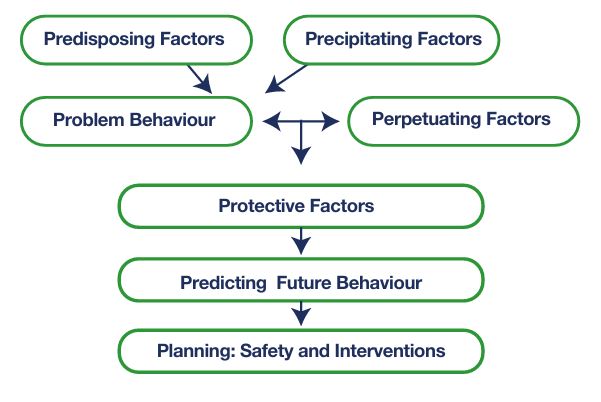
1. Presenting Problem
Utilising the information gathered to provide the assessment of the factors in Domain One and Domain Two, practitioners should provide a brief description of the presenting problem behaviour/s.
Each different form of behaviour should be considered separately within the formulation. For example, if the young person has displayed ‘in person’ HSB and technology facilitated HSB, a formulation of each behaviour should be completed.
2. Predisposing Factors
Practitioners can use the information gathered from the assessment of the factors across all five Domains to consider experiences in the young person’s life which may have created an underlying vulnerability that is relevant to their behaviours, both harmful sexual behaviours and if relevant, non-sexual behaviours.
This part of the formulation considers:
- • Biological/neurodevelopmental factors, for example if the child or young person has learning disability, is neurodiverse, physical disabilities;
- Experiences during childhood for example, abuse experiences, lack of safety, instability, rejection, separation or loss;
- Experiences during adolescence for example, peer abuse, alcohol/drug use, bullying, pornography, criminality, online exploitation;
- Social factors such as their relationships with family/peers, school, employment, leisure and whether these are positive or negative for the individual.
Formulation asks the practitioner to not only record their presence in the young person’s life but to hypothesise as to the impact of these factors for the young person and how this may relate to their harmful sexual and non-sexual problem behaviour. For example, consider how they have impacted on:
- The individual’s view of themselves
- The individual’s view of others
- The individual’s view of the world
3. Precipitating Factors
The AIM: ‘My Life Journey’ exercise along with the analysis of all the Domains can be used by practitioners to consider what internal and external factors were present close in time to the problem behaviour(s) occurring and to question if they may be related to or a trigger for, the behaviours to happen.
Consider what was happening internally, psychologically and emotionally for the young person; externally in terms of siblings, peers, family and contextually in terms of their different environments such as school, employment, technology and leisure, just before and at the time, the harmful sexual and non-sexual behaviour happened.
Think about not only ‘why now’ but ‘why in this way’. Also address why protective factors might have been insufficient to buffer and protect at this time or in this situation (Creeden, 2026).
Possible factors may include:
- Abuse experiences which occurred in person or online close to the time of the behaviour
- Family disruption
- Difficulties or stressors within the living environment
- Difficulties within sibling relationships
- Difficulties in peer relationships such as rejection or bullying
- Alcohol/drug use
- Technology access/pornography
- The developmental stage of the young person such as the influence of puberty
- Opportunity, linked to low levels of supervision
- The general presentation of the young person such as impulsivity or compulsivity.
Consideration of the emotional state of the young person should explore how they may have been feeling around the time of behaviour. This may include feelings such as anger, loneliness, jealousy, sadness, emotional numbness or there may be a view that the behaviour was motivated by seeking positive feelings such as excitement, acceptance, sexual arousal.
4. Perpetuating Factors
The AIM assessment process of information gathering, pattern-mapping and the analysis of all the Domains can give an insight into what might be the internal and external factors which have maintained the behaviour. If the young person has only displayed the harmful sexual and non-sexual problem behaviour once, consider here what factors may increase the likelihood of it happening again. In some cases there may be a continuation of the precipitating factors, particularly if the behaviour continued undetected for some time.
Consider what enabled the young person to keep the problem behaviour going. Factors to consider include:
- what meaning the problem behaviour had for them
- the insight into the ‘harmful’ nature of the behaviour
- their perception of the victim’s response
- the family response
- the environment such as school/leisure response
- the role of technology
- Whether the young person received any support or intervention
- The role of the young person’s emotions
5. Protective Factors
The information to identify protective factors will be found across the five Domains and Factors of the AIM assessment model. Taking each Domain, the practitioners should consider the identified strengths and factors which may reduce the likelihood of the young person repeating/or escalating the problem behaviour(s).
Consider what is present or what could be strengthened to assist the young person in not repeating the problem behaviour/s, including:
- The young person and family’s insight and acceptance of the problem behaviour
- The young person and family’s attitude towards the problem behaviour
- Engagement in assessment/intervention
- Family support
- Peer support
- Involvement in prosocial/healthy activities/daily structure
- Criminal Justice processes
- Adherence to safety plan
- Motivation to address the harmful behaviour
6. Predicting Future Behaviour
The AIM assessment process of information gathering, pattern-mapping and the analysis of all the Domains and the information related to the precipitating and perpetuating factors, practitioners should consider what are the possible future risk scenarios and in what context would they occur. For example:
- Who might be at risk? Are gender, age relevant?
- What type of problem behaviour is likely?
- What situations/circumstances make risk more likely?
- What circumstances/situations make risk less likely?
- What environments make risk less or more likely?
Case formulations and graphs should be regularly reviewed in supervision so any changes which increase concern can be addressed quickly or changes which evidence development of strengths can be built on positively.
7. Planning
Based on the analysis of information within the formulation, the final stage is to identify what safety, support and interventions the young person needs. This is explored further within the next section but useful areas for practitioners to consider are:
- What interventions are required that would reduce the factors linked to risk?
- What interventions are required to address the young person’s vulnerabilities or any other areas of concern identified within the assessment?
- What support do parents/carers/wider family need?
- What guidance and support do the professional network need?
- Who is best placed to undertake the interventions?
- What should be the sequencing of interventions?
- What support will the young person/family need to maintain motivation and feel safe during interventions?
- What safety planning is required, who will be involved in this and when will reviews take place?
The Initial Safety Plan based on the AIM3 case formulation should address immediate risk management concerns in relation to the young person’s living environment and potential access to further victims. Consideration should be given to:
- The current living environment and whether the parent/carer can provide a safe place and adequate informed supervision of the young person. If the young person has sexually harmed a sibling or another person in their current living environment and the AIM3 assessment of parent/carer ability to supervise has identified areas for intervention to improve their supervision skills, then recommendations for an appropriate alternative living place should be considered.
- If the AIM3 graph profile provides evidence of Sexual, Non-Sexual, Environmental and Self-Regulation Domains all scoring amber/red, this informs the practitioner that at the point of the initial assessment the young person has minimal/ no control over their behaviour; is of significant risk of reoffending either sexually or non-sexually; their parent/carer cannot provide adequate supervision nor can the young person self-regulate, therefore external regulation and supervision is required. Consideration should be given to a 24-hour supervised living environment or potential secure accommodation.
- Any access the young person has to vulnerable individuals in line with the assessment of potential risk; what is the assessment of parent/carer ability to supervise and what is the young person’s ability to self-regulate alongside their motivation to address high-risk behaviors.
- It is important the Safety Plan is individualised, not overly punitive and takes into consideration the parent/carer’s role in assisting with the plan. The Safety Plan may have been put in place prior to the AIM3 assessment to manage any immediate risks present, however this should be reviewed in light of the analysis of the young person at the end of the AIM3 assessment process to see if the level of risk has changed. The Safety Plan should be bespoke to address all aspects of the young person’s life i.e. home, school, sport as well as to the different personnel in their life, such as siblings, peers, adult family members, and community contacts. It should also include not only creating safety in all these different environments but also facilitating engagement in these wider environments when the youth is largely isolated or disengaged (Creeden, 2026).
Developing Interventions
As well as addressing any immediate risk management concerns, the information generated by the AIM3 assessment will provide a comprehensive overview of all the areas of work that are required with the young person, their family/carers and their wider context, to assist the young person in desisting from the HSB and to protect any further victims. The risk profile graph will determine which areas need to be focused on immediately (red) and which may need medium to long term interventions (amber) and what the potential areas of strength are (green). It will also indicate any cultural, ability or gender issues which need to be understood by those providing the interventions, so that the work is adapted appropriately and sensitively.
This amount of work may feel overwhelming for the young person, their family/carers and indeed the professionals, so it is important to note that this is the starting point only and the work will need to be broken down into stages. AIM Intervention Model (Guilhermino & McCarlie 2019) outlined below provides a framework for graduating this work appropriately to the level of risk and the ability and willingness of the young person and their family/carers to engage.
A case vignette of Jack is given as an example of case formulation and developing effective safety planning and interventions is given at the end of this Chapter.
AIM Intervention GuidanceThe AIM3 Model is complemented by the AIM Intervention Guidance (Guilhermino & McCarlie 2019) which sets out a framework of four stages for Interventions and Safety Plans. These stages complement the work on the young person’s AIM3 profile graph and the case formulation which will have identified areas for work with both the young person and the adults around them. It recognises that adults supporting the young person have a significant role in risk management and building the young person’s resilience.
The AIM Intervention Guidance (Guilhermino & McCarlie 2019) Framework has four stages:
Each of the four stages outlines specific goals and outcomes for change. A priority at the outset (Stage One) is that any immediate safety planning issues, highlighted within AIM3 are addressed. It is anticipated that a robust risk management process is in place throughout intervention, reflecting the dynamic nature of risk.
The AIM Intervention Framework is not a manualised approach with a series of sessions/exercises to be completed in linear order. Each safety and intervention plan should be made bespoke for that individual and their family context. The AIM Intervention Framework provides examples of exercises which can be used to address various needs and learning points, so the practitioners can select the exercises most relevant to each individual.
Practitioners will be using the information from the assessment to determine the level and type of intervention the young person and adults require to facilitate change. This may mean that the young person and the adults are each working on different stages, dependent on their needs, but that the work is undertaken concurrently
5.5 Reviewing AIM3
The AIM3 Assessment Model has been developed as a dynamic assessment model allowing for updates to be visually represented on the profile graph as the young person and their family work through the interventions or if there is a significant change to their circumstances. This dynamic aspect of AIM3 enables practitioners to utilise it as a progress review tool with the young person and their family as well as to guide reflective supervision of the case. The ultimate aim is to engage the young person and their family in interventions which assist in addressing the areas of concerns and for their progress to be visually represented in their graphs.
Embedded within the supervision of the AIM3 case work should be the review of the Case Formulation and how the additional insights gained through the review of AIM3 affects the formulation. It is important therefore to ensure any changes to the formulation are reflected in safety and intervention planning.
It is recommended that reviewing AIM3 and the Case Formulation is placed on the practitioner and line manager supervision agenda and it is used as a quality assurance tool to review work completed, engagement of the young person and future planning.
Reviewing the AIM3 Case Formulation should consider:
- Whether the interventions are targeting the immediate areas of concern
- If progress is being made/or not, by the young person and their parent/carer
- The effectiveness of the current Safety Plan and what amendments, if any, are required
- The next steps in interventions and quality assure their confidence and competence in providing these
- The impact of the information gathered in interventions on the Case Formulation and future planning
5.6 Case Vignette
This case vignette is given as an example of using the AIM3 model and case formulation to develop effective Safety Plans and Interventions which can be reviewed.
Although this case references an adolescent male who is displaying harmful sexual behaviours to pre-pubescent males, professionals should not assume that he is ‘exploring his homosexuality’. If this were the case, he would be experimenting with adolescent males, not abusing pre-pubescent males. His emerging sexuality is separate to his offending behaviours.
JACK
Jack is 15 years of age, he comes from a stable, secure family, both parents are employed, working full time and are very supportive of Jack and his younger brother. Jack would be deemed to be academically above average and with steady work he would hope to do well in his GCSEs. There are no developmental issues with Jack. He tends not to have many peer friends but would report an extensive online peer group, although many of these he would accept are significantly older than him. He has no interest in sports and apart from his online gaming/social media interest tends to not have any other interests. The family have strong links with their local church and would perceive themselves as being quite religious in their lifestyle and beliefs.
He has had no boyfriend/girlfriend relationships and would present as shy in approaching someone to have a relationship with. Jack would adamantly state he is heterosexual in orientation although he would get upset when his parents have questioned his orientation because of his sense of dress, interest in fashion which they feel are not what a ‘normal’ 15 year old boy would be interested in and the fact the victims of his HSB were male. Jack has been watching pornography online and acknowledges he would masturbate to pornography. He would accept he enjoys watching the male role in any pornography but states this was to understand what men are supposed to do when having sexual activity. He denies being sexually attracted to the men in the pornography and the male victims of his HSB although acknowledging masturbating when watching pornography and to the sexual abuse he made his victims engage in.
Jack has come to HSB services’ attention because he has engaged in sexual exploitation of numerous (at least seven are known), younger males through technology using mostly social media. This involved getting the young boys to masturbate, insert objects and demanding to meet them to engage in sexual activity. One of his victims informed his mother of the sexual abuse after he became withdrawn and had a serious life-threatening self-harm attempt due to his fear of the threats made by Jack towards him. All his known victims are known to Jack and are in first and second year at the same school.
The victims all report Jack directly threatening them at school, express fear of meeting him during the school day and one victim, the one who has attempted serious self-harm, reported Jack had followed him into the Junior boys toilets on two occasions but left when a teacher told him he should not be in the Junior boys toilets as a Senior boy. Jack has also filmed and posted online him performing sexual acts on himself, as well as live streaming to people whom he believes to be adult males. The sexual behaviour he has engaged in towards himself have included insertion of objects and homemade ‘sexual toys’ which have caused him significant pain, as well as bondage activity on himself. Jack accepts he should not have threatened the victims but does not perceive the sexual behaviour he asked them to engage in or which he engages in as wrong or harmful.
All the HSB was a shock to his parents and they have worked with the professionals but struggle to recognise the depth of the threats which the victims are disclosing as this would not have been their perception of their son. Jack has continued to seek to engage in extreme sexual behaviour towards himself and through technology despite a clear Safety Plan of restrictions to internet and mediums of social media such as his laptop, phone and gaming. He has accessed his parents’ laptops, his brother’s mobile phone and has bought another mobile phone during the period prior to and during the assessment process. Jack is currently suspended from school pending the outcome of the AIM3 assessment.
AIM3 Assessment Profile Jack
This case vignette evidences a dual technology abuse (TF-HSB) and contact sexual offending behaviour based on the number of victims: the fact the victims were all made to sexually abuse themselves whilst Jack watched; his direct attempts to access one of the victims at school; level of manipulation; direct threats at school; intimidation to others and the fact the victims are all known and accessible to Jack. This necessitates an AIM3 assessment, with reference to the AIM Technology Facilitated Harmful Sexual Behaviour (Allotey & Leonard, 2026).
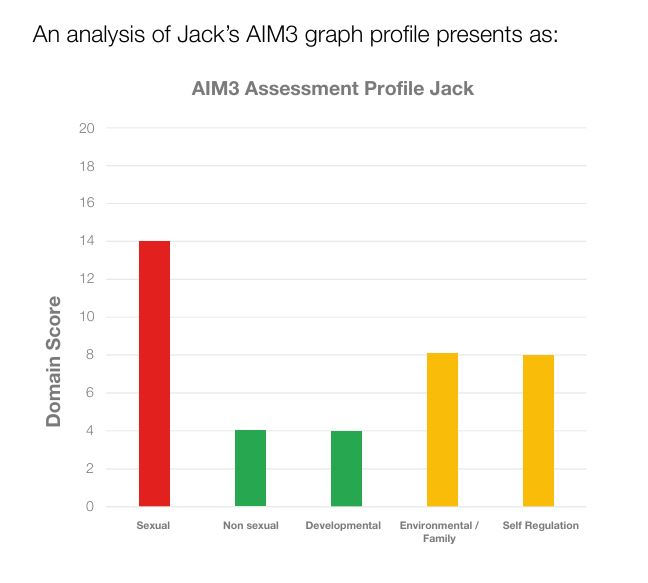
Domain One: Sexual Behaviour
Jack is a 15 year old boy who has engaged in significant harmful sexual behaviour towards at least seven known prepubescent male children all of whom are known to him. He has used technology through social media to perpetrate the sexual abuse of his victims and has made two attempts in school to access one of the victims resulting in that victim attempting a serious life-threatening self-harm behaviour. Jack is also engaging in sexual behaviour towards himself which causes him pain some of which he videos and posts online to other males. Jack attends the same school as all his known victims and all report fear and threats from Jack whilst at school.
Jack’s sexual behaviour has progressed from him engaging in positive self-directed sexual behaviour which as an adolescent male would be deemed normal, to engaging in HSB towards seven male prepubescent children who are all known to him. Jack threatened the young victims to engage in sexual activity which included insertion of objects whilst he watched.
He admits being sexually aroused to watching the victims even though they were showing distress.
His own self-directed sexual behaviour now involves activity which causes him pain and he finds it exciting to share these activities online with other older males. He views pornography on a regular basis and is reaching a stage where he reports needing pornography for stimulation.
Jack’s sexual needs have reached a stage where he reports to needing pornography, needing the excitement of posting video material for his self-directed sexual behaviour online despite the chosen activity causing him pain. He has progressed from initially asking his victims to send photographs of their genitalia to threaten them to engage in sexual abuse of themselves through to the use of objects. So, elements of pain, excitement and arousal to distress are core features which are of significant concern and need immediate intervention.
Domain Two: Non-Sexual Behaviour
Jack has no history of engaging in any non-sexual
criminal behaviour; he is not, in general antisocial and
would normally abide by normal rules. However, he has
expressed significant verbal threats towards his known
victims which have resulted in one victim attempting
serious self-harm. His ability to threaten to such a level
would need to be addressed within interventions.
Their supervision of him is a challenge for them coming
to terms with firstly having to supervise him, but also not
always accepting he is being truthful that he is adhering
to the Safety Plan initially developed with his social
worker.
Although there are some concerns regarding Jack’s
supervision, his parents’ engagement with professionals
and Jack’s willingness to engage are strengths which
can be further developed in interventions.
Domain Three: Developmental
Jack comes from a supportive, stable home, he has no experiences of child or adolescent adversities. He has no experiences of parental adversities such as substance misuse, domestic abuse or history of parental childhood abuse. Jack had no difficulties at primary school and had several friends. He did become more isolated from his peer group as he moved into his adolescent years as he began exploring his sexuality through pornography and sexually harming prepubescent males whom he had daily contact with.
Although Jack is adamant, he is heterosexual in orientation, his pornography material, victim choice, gender choice of who to post his own sexual behaviour to are all males. His parents are conservative and their religious beliefs may affect his ability to accept his orientation gender attraction.Domain Four: Environmental/Family
Jack is loved by his parents and although shocked by his HSB, they are committed to working with professionals to address his behaviour and have made it clear to Jack they will support him in this work. Although Jack comes from a supportive, stable home, his parents have no sense of him as an adolescent with sexual thoughts and behaviours. They have tended to treat him as a child and did not see his emerging sexuality. Their struggle to accept Jack as an adolescent with sexual feelings and behaviours has affected their ability to effectively supervise Jack and to have initially questioned his isolating behaviours and lack of friends. Due to the fact Jack has not presented them with any previous concerning behaviours they have not felt the need to supervise him or question what he was spending his time doing nor querying his lack of peer group. Their strong religious beliefs have influenced how Jack perceives his sexuality and sexual orientation.
Domain Five: Self – Regulation
Jack has been able to accept responsibility for the HSB
although still unable to fully accept the level of harm he
has caused. Jack is a bright young man who is aware of
the concerns raised by his HSB; he is prepared to work
with professionals and engage in intervention. He is a
warm, engaging young man who wants to succeed in
life; he misses school and the routine of attending and
as such sees this as the initial reason for engaging in
interventions alongside the wish to reduce his parents’
anxiety and disappointment in him.
He has no issues with daily functioning and has a
positive sense of self. The main concern in this Domain
is his inability to currently manage his sexual feelings and
behaviours however his general ability to self-regulate in
life is a strength which will assist in his engagement in
interventions.
Case Formulation
Informing Initial Safety Plan including management of immediate riskIn considering the information gathered across the five Domains of the AIM3, the Case Formulation of Jack would be:
His inability to currently safely manage his sexual feelings and behaviours is a concern and could lead to further HSB.
NB: HSB is not specifically addressed initially. It is a layered approach by upskilling Jack and creating safety in his environment in order to create safe space for him to then work on his HSB.
Restricted monitored use of any technology devices
Installation of monitoring software on technology devices
To maintain his access to education through individual tutoring
Jack does not seek to make contact with any of his victims
Parents:
To effectively supervise Jack in both his online and in person behaviour in order to protect his sibling and other children
Brother:
Is informed of Jack’s HSB and receives self-protection education
School
Identify a key teacher who will be the link with HSB interventions practitioner and maintaining links with Jack whilst suspended from school
Liaise with the parents of the victims to have their views integrated into future steps especially when/if consideration of return to school
Arrange for Jack’s brother’s Form teacher to be alert to the possible impact on him in school from peers and/or Jack’s victims
To ensure Jack has access to education through individual tutoring
• To begin to work with Jack on his insight what needs the HSB met for him
• To begin to assist Jack in discussing the sexual thoughts, feelings and arousal he experienced when engaging in the HSB
• To identify other activities/interests for Jack
• To provide guidance for Jack on how he can protect and safeguard himself online as well as actions that can taken by supportive adults around him
Parents
• Provide IT education on how to monitor/restrict Jack and his siblings use of technology
• Provide guidance on how to supervise Jack in order to protect his sibling and other children
• Developing family rules regarding privacy and safety which can then be shared with Jack and his brother in a family session
• To undertake introductory sessions with Jack’s parents regarding their thoughts and feelings in relation to Jack’s HSB and possible impact of their religious beliefs on his ability to be open with them regarding his sexuality
Brother:
• To receive education about Jack’s HSB and identify any additional support, such as school Counsellor, he may need to access to cope with the information and ongoing family response to Jack and his HSB School
• To provide advice and guidance on Jack’s HSB and how to support Jack’s brother
• To agree communication processes between school liaison person and interventions practitioner to ensure working together good practice for Jack, his victims, his brother and peers
The following templates are available to download to support completion of the AIM3 assessment. They are designed to assist practitioners in scoring and analysing assessment information, visually representing the assessment profile and developing an evidence-informed case formulation. The downloadable resources include the AIM3 Scoring and Analysis Template, AIM3 Profile Graph and AIM3 Case Formulation Template. Select the links below to access each resource.
– AIM 3 Profile Graph
Enter a score for each domain.
Graph loading… If this message stays on screen, your website is blocking the page’s JavaScript.
The AIM3 Assessment Report template is available to download to support the recording and presentation of assessment findings. It provides a structured format for summarising the assessment process, integrating analysis across all AIM3 Domains, presenting the case formulation and outlining evidence-informed conclusions and recommendations. The template is intended to promote consistency in reporting while allowing practitioners to exercise professional judgement in presenting the unique circumstances of each child or young person. Select the link below to download the AIM3 Assessment Report template.
Downloadable guidance and a supporting template are available to assist practitioners in using the AIM: My Life Journey within the AIM3 assessment process. The guidance outlines the purpose of the My Life Journey and provides practical advice on its use, while the accompanying template offers a structured framework for recording significant life events and developmental experiences to support analysis and case formulation. Select the links below to access the AIM: My Life Journey Guidance and Template.
Click on the link below to view the AIM3 Training Presentation
Family Composition
David- father
Jane – mother
Jake – young person subject of AIM3 - 16 years
Joel – brother - 13 years
Susie – sister - 9 years
Victim: Danielle - 15 years
Background:
Approximately 3 months ago Jake was referred to social services by his school after indecent images of children were found on his phone. The background was that he was telling his friends about his recent ‘conquest’ which was having semi-nude photographs of Danielle and he showed these to a couple of friends, one of whom was then over heard by a teacher, telling another pupil. Jake was brought to the Principal’s office and voluntarily opened his phone and showed two photographs to the Principal. The Principal was able to see 2 photographs of Danielle in semi- nude state. His parents were contacted and arrived at the school. Jake was then interviewed by the Principal with his father present.
Jake stated those were the only photographs and didn’t think there was anything wrong with having them because Danielle agreed to send them. Danielle is also a pupil at the school, and it was understood that she and Jake were friendly and Danielle had been wanting to make their friendship more intimate. Jake stated he had shared the photographs with one of his friends after being pressured and teased that they did not believe he had any photographs. This friend then sent them to another pupil and by the end of the day they were widely circulated around the school. A Principal of another school contacted Jake’s school to say they had just suspended two boys for sharing the images around their school.
Danielle was spoken to by the school safeguarding teacher and informed about the photographs circulating, her mother was contacted, and she left the school that day and has yet to return. She reported that although she had taken them of herself and sent them to Jake, she had felt under pressure by Jake as he said he would not become her boyfriend unless he got to see ‘what he would be getting’. She spoke about being upset and crying but then feeling she was being a ‘prude’ by not doing what he wanted because she did want to be his girlfriend. She knows her parents would have not approved of what she did. She is now receiving counselling but still has not felt ready to return to the school.
Jake was annoyed at the ‘big deal’ the Principal was making out of it all, he offered to apologise to Danielle, if that was what she wanted and thought that was enough. His father, David, was appropriately annoyed in his response to Jake, he felt Jake was not taking it seriously enough and was embarrassed at his actions. Although David was annoyed at Jake, he thought Jake would be suspended for the rest of the week and struggled to understand why Jake had to be referred to social services and his suspension was pending social services and police decision making. David and Jane are annoyed at the school involving the police and social services as they nor any of their families have ever had any involvement with statutory services. Jake has never displayed any antisocial / criminal behaviour and as such has had no previous involvement with criminal justice agencies. Neither parent reported any concerns about drugs or alcohol misuse, both are aware Jake has taken some ‘dope’ when out with his mates but do not see it as an issue. Jake would report having beers when out with friends but also in the company of his parents, he states he started drinking alcohol from aged 14 years and taking ‘dope’ occasionally since he turned 16 years. He reports not really having an interest in ‘harder’ drugs as he is a keen sportsman.
Jake comes from a very close, supportive family, both parents are employed in the successful family business which provides a range of health care such as physiotherapy, reflexology, chiropody and children’s nurseries. His parents would provide everything for their children and have a good standard of life, involving the children including Jake in many sports and arts activities. They believe in respecting Jake and his younger brother’s privacy once they became adolescent and did not feel they needed to have restrictions on their phones as they have been consistent in their messages about online safety and needing to protect themselves. They feel both Jake and Joel are mature for their years because of how they have raised them to be forward, assertive, apply themselves to their studies and sports. They have restrictions on their daughter’s phone and internet use due to her age. There is no evidence or reports of any domestic abuse in the home, and Jake reports no exposure to adversities / or childhood abuse in his life. He reports life as good, great parents and caring about his siblings.
Jane was keen to highlight they were proactive as parents in teaching Jake and his siblings sex education and are aware he has looked at pornography but sees this as normal teenage behaviour and that he is able to know the difference between pornography and reality. Jane describes Jake as a model son, that they are proud of the positive relationship they have with their children and that they have never given cause for concern. Jake was comfortable in his parents’ company and spoke of them and his siblings fondly.
Jake is a popular pupil, well liked though described as sometimes pushing the boundaries. He has a good group of friends who are all similar in nature in terms of pushing boundaries with teachers and they all play sport together. Due to the nature of why he is suspended, he has limited contact with two friends but only through social media on his mum’s phone, but no friends have taken up his requests to meet him in person since he left the school that day. He believes his friends are being told by their parents not to meet him and that his friends are all supporting him.
Prior to undertaking the AIM3 assessment interviews, police informed Jake’s parents that their forensic examination of his phone has shown evidence of other females in various sexual posing similar to Danielle, the police are stating these females appear to be aged approximately 12/13 years old and start from 2 years previously. There was evidence of text messages from Jake requesting the images but with more explicit threats to show their images if they did not send more. These females appear to be known to Jake through extended family, references in the texts are linking back to family social events and they all live locally. The most recent text messages and images of these females are within the last 2 months. He has numerous non-sexual photographs of Susie on his phone, none deemed indecent but questions being asked regarding quantity. There was evidence of Jake searching for sexual pictures / videos of children aged ranged from approximately 8-12 years of age again dating back a couple of years.
Since his suspension from school, his parents have employed a tutor to keep him on top of his schoolwork and he also helps in the family business to keep him busy. No-one in the extended family, or the younger sister know why Jake is not at school and a range of reasons have been provided to answer any queries. The family have employed a solicitor to attend police and social services meetings, and they are determined to prove the additional new IIOC material does not belong to Jake. They feel Jake has been a victim of a scam and/or other boys must have been using his phone when he was not watching. This is the information Jake has given his parents but refuses to say which of his friends used his phone. Jake refuses to discuss the additional new information in relation to his own alleged behaviour but has accepted through ‘third person’ work that it would be concerning if a person was to access indecent images of children.
Jake’s parents have agreed to the safeguarding plan in respect of Jake having no unsupervised contact with his sister Susie. A social worker met with Susie, and she reported no concerns in how Jake behaves with her.
Jake has admitted to asking Danielle for the photographs and doesn’t see anything wrong with that, he sees it as normal to ask a girl for nudes. He was vague when discussing whether he was intending to start a relationship with Danielle. He has expressed no feelings about the impact on Danielle.
He attends all the sessions to complete the assessment, he is keen to get back to his mates and sport and sees this assessment as something he must do, but he is not difficult to engage in the sessions. He intends to go to university to study physiotherapy as it is intended, he joins the family business on leaving university. He does not perceive the current concerns will affect his future. He is a socially competent young person, confident and feels this will all ‘blow over’ and he can get back to his normal life.
Family Composition
James - Father
Ann – Mother
Neal – young person subject of AIM3 - 14 years
Jack - step father/mums partner
Cindy - step mother/dads partner
Chloe - 12 years old, Neal's sister
Tara 6 years old, half-sister to Neal
Tom - 7 years old, half-brother to Neal
Background:
Neal was referred to the Youth Offending Team for an AIM3 assessment for pre-sentence
following recent disclosures by two of his half siblings, one female and one male, that he had been sexually abusing them for a period of 6-12 months. The sexual behaviour against the male child (Tom aged 7 at the time) included attempted anal penetration, making the child orally and manually masturbate him. This had taken place on numerous occasions over a 6- month period of time.
The sexual behaviour against one of the female children (Tara aged 6 at the time) who is Tom’s sister, included attempted and digital penetration as well as oral sexual activity towards Tara. Tom and Tara shared a bedroom and slept in bunk beds with each overhearing what Neal was doing to the other. Tara reported the sexual abuse occurring over the same period as Tom. Tara told her mother (Cindy) about the abuse after her birthday party when Neal had said he was staying in their room again. Both children report crying, turning away from Neal and trying to get him to stop when he was sexually abusing them.
There has been no other allegations of HSB against Neal either prior to or after Tom and Tara’s disclosures but his mother recalled when he was 9 years of age there were several incidents when he made comments to older female peers at school about the size of their breasts.
Neal’s parents separated when he was 1 year old following a pattern of domestic abuse and
violence committed by his father, James, towards his mother, Ann. James then went on to
develop a relationship with Cindy and had Tom and Tara. Neal spent his childhood having
sporadic contact with James, often waiting for him to call and bring him to his paternal
grandparents for contact but often James did not turn up. James has a history of drug and
alcohol abuse which has continued in his relationship with Cindy. When James met Cindy,
contact with Neal (who was 9 at the time) become more frequent and consistent but Neal
was exposed to further domestic abuse / violence, drug and alcohol abuse as well as exposure to extensive adult pornography and observing sexual behaviour between James and Cindy.
Cindy then became pregnant with Tom and quickly afterwards Tara. James appeared to take the birth of his children more positively and both his and Cindy’s behaviours significantly improved with no reported concerns regarding their care of Tom and Tara. Neal’s contact with his father became sporadic again and he was often left out of family events at his father and Cindy’s house.
Neal’s mother, Ann, has had a long term stable, secure, positive relationship with Jack since Neal was 5 years of age, whom Neal has a good relationship with. There is no history of domestic abuse / violence or adversity in the relationship between Ann and Jack. However, Ann reported Neal presenting with serious challenging behaviour from aged 9 years, he had numerous suspensions from primary school due to aggressive behaviour which was as a result of him being the victim of extensive bullying and this continued into his secondary school years.
Neal started taking drugs at 11 years of age and this became a constant source of disagreements between Neal and his mother / stepfather. His mother reports Neal returning from his father’s house under the influence of drugs, being aggressive and angry. She and Jack spent days addressing the behaviours and Neal would become settled and remained so for
weeks until he would then return to his father. She reports this chaotic lifestyle existing until the disclosures occurred when all contact with his father has ceased and Neal has been permanently in her home. Both Neal and his mother report him to be content at home, although withdrawn from his peers, he is settled and showing no challenging behaviours.
Although Neal was engaging with significant drug misuse, there is no reported criminality / anti-sociality as a result of this, he has no criminal convictions and is not seen as impulsive.
He continues to rely on smoking cannabis to relax himself daily although is working with his mother towards reducing the quantity. Neal has no formal diagnosis of mental health but
acknowledges the impact of the disclosures on his mental state, he is no longer at school due to both the disclosures and the outcome of the AIM3 assessment to determine if he poses a
risk to his school peers and his younger sister. His sister, Chloe, is 12 years of age, has been fully informed by her mother and social worker of the allegations against Neal, she is above average intelligence and has been asking appropriate questions.
Neal’s mother and stepfather have informed all relevant family members who have young
children and they are providing support to the family. Ann has a strong supportive family
network whom she has always confided in and they are all prosocial. Ann is open with social services and working with the AIM3 assessment.
The home is deemed a safe place and Neal is content at home, his mother and stepfather have sought to find out as much as possible about the disclosures and immediately informed his sister and have maintained a safety plan.
A couple of nights a week Neal stays with a family friend to allow the family to engage in
activities which his sister enjoys. This family friend is helping him with some schoolwork and helping Neal with some life skills to build up his independence and also encouraging Neal to cope without using cannabis if feeling stressed. However, this is only in the last few weeks and Neal accepts his peers appear more confident in their life skills than him and this is an area he needs to work on.
Neal is small for his age, slight physique, and would be deemed low IQ but not to have a
diagnosis of learning difficulty. He was bullied extensively for his height, size and low intellectual ability. He lacks confidence and would report feeling only being like his peers when he was taking drugs.
His peer group when he was at his father’s house have extensive antisocial histories, but he is now building up a few friends with peers who live near his mother’s as well as spending more time with older maternal cousins who have sports interests. He initially denied the allegations made by Tom and Tara but once he was told the police would be informed, he admitted everything, telling more than the victims.
He is showing appropriate remorse for his HSB but struggles to understand why he committed HSB this towards his half siblings. Neal is motivated to attend sessions, engages well, has no issues relating to professionals and has not breached any supervision / safety plans. He lacks a plan of the future as he is worried what will happen in court and is fearful of being sent to custody.
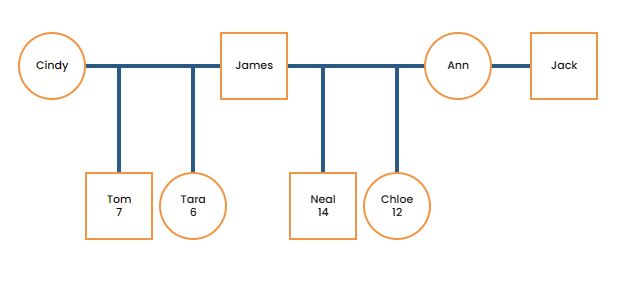
Family Composition
John - Father
Ana – Mother
Harry – young person subject of AIM3 - 16 years
Ted – Brother - 12 years
Amy – Sister - 9 years
Background:
Harry is 16 years of age, he has been referred for an AIM3 assessment following the disclosure by his young sister, Amy, who is 9 years of age, that Harry had been sexually abusing her for the past 2 years on a regular basis. Harry and Amy also have another brother, Ted who is 12 years of age. When Ted was interviewed after Amy made her allegations, he stated he had seen Harry touch Amy on several occasions, but Harry had told him to say nothing and had given him unlimited access to his PlayStation. Ted was adamant Harry had never touched him and Amy has denied Ted has ever touch her.
Harry’s parents, John and Ana, have been together for 16 years, having met and Ana becoming pregnant within one month of their initial meeting. Both decided they wanted to keep the baby and moved in together, initially living with Ana’s parents and after Harry was born, they moved into a home of their own. Ted and Amy then came along. Both John and Ana have family networks who are available to them but neither access these networks for support. Neither John or Ana have experienced any childhood adversities and reported positive experiences of their own childhoods.
John is a manual worker, working with a local construction company preparing and clearing sites. He has a low average educational ability and would tend to leave the household management of finances and the children to Ana. Ana is a stay at home mother and chooses not to work outside the home believing the man should be the breadwinner and she remains at home. Ana’s household skills are, at times, basic and at the initial disclosure and liaison with other agencies , social services would have had some cause for concern which included school reporting the children not having weather appropriate clothing, poor hygiene, children not having lunch or lunch money for school, and GP records indicating missed health appointments. Schools also raised concerns regarding the level of parental support for the children in terms of their homework and additional support which they feel the children need with their educational ability.
Harry presents as angry towards his mother and stating he does not care if he sees her again but is upset when she arrives early for her appointment as part of this assessment and verbally abuses him. He feels he has a good relationship with his father and that he is living with his father, he defends his father’s actions and tries to present him in a more positive light. He feels safe at home but also knows he can do what he wants as he is alone all day.
Harry defends his parents’ care of him and his siblings and does not perceive he was a victim nor neglected in any way but feels both parents tried their best.
The disclosures in respect of the HSB came from Amy to her mother one evening. Amy came into the living room to find her mother being annoyed with Harry and him storming out of the room. Amy thought it was because of her so she apologised to her mother for the ‘things I do with Harry, it’s not all his fault’. Ana initially dismissed Amy’s comment but then after she calmed down, she went back and asked Amy further about her comment. Amy told her mother she thought she was annoyed because she had found out about the special touches she does with Harry. Ana contacted her sister, who is a health professional, who came and spoke with Amy.
Amy eventually disclosed that for the last 2 years, Harry had been sexually touching her with his hands and more recently with his genitalia under her nightwear. The HSB included digital penetrative activity, Amy had to perform oral sexual activity on Harry and he carried out oral sexual activity on Amy, on two occasions he also inserted objects into Amy, namely a pencil and the handle of Amy’s doll’s hairbrush. The insertion of the objects took place earlier in the HSB before digital or oral sexual activity. The HSB took place in Amy’s bedroom in the evening when she was in bed but more frequently when Harry was babysitting her and Ted when their parents were out socialising at the weekend. Harry has never threatened her, she disclosed he would have treated her with gifts and letting her stay up late and watch movies her parents would not allow her to watch. Amy did not perceive the touching by Harry as sexual nor as abuse and saw it as special touches they both did to each other. She was upset when she was questioned by social worker and police jointly believing she had got Harry into trouble and was worried what would happen to him.
Since the disclosure, Ana has also stated that Harry, on two occasions about 6 months ago, had face timed her from his phone and showed her his erect penis. Ana had scolded him for being ‘cheeky’ on both occasions and switched off the phone but did not discuss it any further with him.
Harry has admitted to touching Amy on a couple of occasions but always over her clothes, never penetration, denies the use of any objects and definitely no oral sexual activity. He denies showing his mother his erect penis on Face Time and feels his mother just said these things to make him look worse.
Since the disclosure, Ana has refused to have Harry in the family home resulting in John and Harry moving out initially to live in a hotel but eventually into a rented flat. Ana refuses to see Harry and communication between the couple has completely broke down and Ted has also moved to live with his father and Harry. Ana is now seeking a formal separation from John stating she feels they cannot live as a family. During the assessment, Ana stated as a couple they had regular, often weekly arguments and she reported being a victim by John of two incidents of domestic violence which she stated Harry would have witnessed and that he tried to intervene. These incidents were when Harry was 6 and 11 years old. The arguments tended to focus on Ana’s perception of John being ‘stupid’, ‘lazy’ and not earning enough money so they could have holidays and a better house. She acknowledged Harry frequently interrupted their arguments and would have, in her view, taken his father’s side by defending him.
Ana has started a new relationship since John and her sons moved out of the family home.
Ana described Harry as a loner, bit odd and that he spent most of his time in his room. She said he was good with his siblings and would have helped her look after them, helped her with housework and babysit. He never caused her any difficulties but she stated she always thought he was a bit odd and ‘too like his father’ and would never really achieve anything. Ted was a much more pleasant son who will do well at school and Amy is just a lovely daughter who is very talented.
Harry’s father, John has engaged in the assessment process, he accepts what Harry has admitted to but refuses to accept everything Amy has disclosed and does not believe Ana’s allegation of Harry exposing himself. John believes this was an adolescent boy being inquisitive and although he accepts it is not appropriate, he feels the main issue is what he perceives is Ana’s coaching of Amy to say more happened than what actually did. John confirmed the regular domestic arguments and admitted to hitting Ana twice which Harry saw and tried to intervene. He also admitted they regularly pushed each other when they were arguing but neither perceiving this as violence. John reported he lost his temper with Ana after she had verbally abused him for hours about being lazy, stupid and not earning enough money. He reported working as many hours as possible to earn enough to give Ana treats but felt he was never going to make her feel satisfied. John reported never feeling he was good enough for Ana and felt she wanted to end the relationship on several occasions.
Neither John or Ana spoke to Harry about sex as Ana felt this was John’s role and John felt it was best left to the school to give sex education.
Harry has been suspended from school due to the HSB allegations, he has no previous suspensions and had a positive relationship with the teachers. He has a keen interest in dogs and has volunteered at a local dog rescue shelter for several years, he had a good relationship with all the staff at the shelter but this was suspended because of the allegations because other children also volunteer there. His hope is to return to work at the shelter and would eventually like to own a kennel business. His father has affirmed his love of dogs and how well he worked at the rescue shelter before being suspended. Harry has no previous criminal or antisocial behaviours. Since the HSB disclosure Harry has had very limited contact with any person outside his father, brother and social worker and is becoming more socially withdrawn.
Harry would be seen as a loner, he has very few friends and those whom he does have contact with tend to be a few years younger than him and volunteer at the dog shelter. He is small in stature for his age and looks about 12 years of age, and also suffers from extreme acne. Harry’s father dismissed the acne as not a problem, but Harry is very conscious of his face and has grown long hair and fringe to cover it, he sits with his face down and rarely looks up, wears hoodies and tries to keep the hood up to cover his face. He has poor personal hygiene and acknowledged being the subject of bullying from his peers, including females, because of his acne and his hygiene. He struggles to take proactive action in respect of his personal appearance and how to make changes in his person routines to help himself.
Since the disclosures and his suspension from school and the dog shelter, Harry spends his days at home on his own while his father goes to work and his brother to school. He admits to watching adult pornography on his laptop since he was 12 years of age and masturbates to this, acknowledging he feels he now needs pornography to become aroused. He watches it daily and John is aware of this and does not see this as an issue as this is ‘better than touching his sister’. Harry acknowledged in assessment he had often heard his parents having sex when he was younger but did not know what it was at the time. He has not seen his mother since Amy disclosed and he is aware she does not want to see him. Harry presented in the assessment that he doesn’t care that his mother does not want to see him but his father reports him being upset when Ted visits their mother and Harry has on a few occasions, become angry by slamming doors and kicking furniture when Ted came back to their house with gifts from his mother. Harry has seen Amy under the supervision of social workers, Amy is upset at not having Harry and Ted at home and misses her father. Harry reports he misses his sister , he does not speak negatively about Amy and understands why she told but believes their mother has made her say it was worse than it was.
Harry has attended all assessment appointments and engaged well in the sessions; he is keen to take part in further work as he is worried about not being able to return to the dog shelter to work.
Marcella Leonard and Simon Hackett
© AIM. All rights reserved
Published by AIM, PO Box 778, Stockport, SK4 9QQ,
www.aim-hsb.com
AIM is a registered charity in England and Wales (Charity No. 1190930)
British Library Cataloguing in Publication Data
A catalogue record for this publication is available from the British Library
ISBN: 978-1-0683362-2-5
First published as AIM Initial Adolescent Assessment Model in 2002
Then published as AIM2, developed by G-Map in conjunction with AIM in 2007,
Revised AIM2 version published, developed by G-Map for AIM in 2012,
First edition of AIM3 published in 2019
by AIM,
The moral right of Marcella Leonard and Simon Hackett to be identified as the authors of this work has been
asserted by them in accordance with The Copyright Designs and Patents Act 1988.
Warning:
The doing of an unauthorised act in relation to a copyright work may result in both a civil claim for damages and criminal prosecution.
No part of this publication may be reproduced, stored in a retrieval system, transmitted, distributed or communicated in any form or by any means, including electronic, mechanical, photocopying, recording or otherwise, without the prior written permission of AIM, except as permitted by the Copyright, Designs and Patents Act 1988 or under the terms of a licence issued by the Copyright Licensing Agency.
Applications for permission to reproduce any part of this publication should be addressed to AIM at
admin@aim-hsb.com or www.aim-hsb.com
Acknowledgements
The authors would like to extend their sincere thanks to the many individuals who contributed to the updating of AIM3. We are especially grateful to the global community of practitioners who so generously shared their experiences of applying the Model in practice (Leonard & Hackett, 2024). Their insight, reflection and commitment to the work have been invaluable in shaping this revision.
We also wish to acknowledge the thoughtful and constructive feedback provided by our national and international
peer reviewers whose expertise and critical perspectives have strengthened and refined the AIM Assessment Model;
Duncan Sheppard; Eva Mørch; Jacinta Guilhermino; Dr Jennifer Allotey; Karen Martin; Kevin Creedon; Kieran McGrath;
Lindsey Dickenson; Noreen McBride; Sharron Wareham; Vance Moore.
Finally, and most importantly, we recognise the young people and families whose voices are woven throughout this Model. Their lived experiences continually remind us of the importance of holistic, trauma-informed assessment approaches that truly see, hear and reflect the realities of their lives.
About AIM
AIM (Assessment, Intervention and Moving On)
AIM originally began in 2000 as a short-term funded project called The AIM Project. More than 25 years on, AIM is an established charity that adopted a new name in 2026 to reflect the expanded scope of its work and its national and international recognition. The charitable remit of AIM is to support professionals to respond consistently and effectively to children and young people who display problematic or harmful sexual behaviour to themselves and others. AIM has developed models and frameworks to guide practice, including this assessment model, which provides agencies with a shared understanding of the pathways leading to harmful sexual behaviour and a structured framework for reporting and assessing concerns, and for identifying the interventions required to address them.
About The Authors
Marcella Leonard MBE:
BSc (HONS) C.Q.S.W., MSc AASW, PG Dip ATSO, ASW, ASI, PT
Marcella Leonard is the Director of Leonard Consultancy and Associates, Safe Sport International Associate and an AIM Associate. Marcella has been a qualified social worker, psychosexual therapist and humanistic trauma therapist for over 30 years and a specialist in assessment, management and interventions of children, adolescents, adults including persons with neurodiversity where sexual and violent risk is present. She is co-author of the CASP-R: Capacity and Ability to Supervise and Protect Risk framework. She assists governing agencies in developing strategic responses to sexual and violent risk management as well as undertaking case reviews to continue to inform practice in this area.
Marcella was awarded UK Child Protection Trainer of the Year 2019 by NSPCC and Association of Child Protection Professionals (AoCPP).
Marcella was awarded the MBE in the Kings Birthday Honours 2023 for her role as a Social Worker to the fields of child and public protection, nationally and internationally.
Professor Simon Hackett:
BA (Hons), CQSW, MA (Econ), PhD, AcSS
Simon Hackett is an internationally recognised expert in the field of child abuse and neglect, with over 30 years of experience in research, practice and policy. Based in Durham University’s Centre for Research into Violence and Abuse, he has led pioneering work on harmful sexual behaviour in childhood and adolescence and is lead author of the NSPCC’s operational framework for children displaying HSB.
His research has informed national and international policy, including expert reviews for the UK Independent Inquiry into Child Sexual Abuse, a 2024 evidence review for the Council of Europe’s Committee of Experts on Violence against Children and contributions to the UK’s first NICE guidelines on HSB (2016). His continuum model of sexual behaviour in childhood is widely cited and used in practice.
A committed advocate for evidence-informed practice, Simon serves as President of ATSA (the Association for the Treatment and Prevention of Sexual Abuse) and is a past Chair of NOTA in the UK and Ireland. He sits on the Advisory Board of the Centre of Expertise on Child Sexual Abuse.
Ajibo, C., Van Griethuysen, A., Visram, S., Lake, A.A.(2024) Consumption of energy drinks by children and young people: a systematic review examining evidence of physical effects and consumer attitudes. Public Health, Vol.227, 274-281.
Alink, LR, Cicchetti, D., Kim, J., & Rogosch,F.A (2012) Longitudinal associations among child maltreatment, social functioning and cortisol regulation. Developmental Psychology 48, (1) 224-36.
Allardyce, S., & Yates, P. (2018). Working with Children and Young People Who Have Displayed Harmful Sexual Behaviour. Edinburgh: Dunedin Academic Press.
Allely, C (2020) Autism Spectrum Disorder, Bestiality and Zoophilia: a systematic PRISM review. Journal of Intellectual Disabilities and Offending Behaviour. Emerald Publishing.
Allen, B. (2008) An analysis of the impact of diverse forms of childhood psychological maltreatment on emotional adjustment in early adulthood. Child Maltreatment, 13 (3), 307-312.
Allen, J. P., Porter, M., McFarland, C., McElhaney, K. B., & Marsh, P. (2007).The relation of attachment security to adolescents’ paternal and peer relationships, depression and externalizing behavior. Child Development, 78(4),1222–1239.
Allotey, J. & Leonard, M. (2026) AIM Technology Facilitated - Harmful Sexual Behaviour Practice Guide. AIM: www.AIM-HSB.com
Almond, L. & Giles, S. (2008) Young People with Harmful Sexual Behaviour: Do those with Learning Disabilities form a distinct subgroup? Journal of Sexual Aggression 14 (3) 227-239.
Andrade, J.T., Vincent, G.M. & Saleh, F.M. (2006) Juvenile sex offenders: A complex population. Journal of Forensic Sciences, 51(1):163-167.
Arai, L., Shaw, A., Feder, G., Howarth, E., Lohr, P., MacMillan, H., & Stanley, N. (2021). Hope, agency and the lived experience of violence: A qualitative systematic review of children’s perspectives on domestic violence and abuse. Trauma, Violence, & Abuse, 22(3), 427–438.
Bachmann, C. J., Humayun, S., Stevens, M., O’Connor, T.G., & Scott, S. (2023). Secure attachment predicts lower societal cost amongst severely antisocial adolescents. Child and Adolescent Psychiatry and Mental Health, 17(1).
Balfe, M., Hackett, S., Masson, H., & Phillips, J. (2019). The disrupted sociologies of young people with harmful sexual behaviour. Journal of Sexual Aggression, 25(2), 177–192.
Balogh, R., Bretherton, K., Whibley, S., Berney, T.,
Graham, S., Richold, P., et al. (2001). Sexual abuse in children and adolescents with intellectual disability.
Journal of Intellectual Disability Research, 45, 194-201.
Bälter, K., Johansson, J., Karvonen Sheikh, S., &Eriksson, C. (2023). Making leisure time meaningful for adolescents: an interview study from Sweden. International Journal of Qualitative Studies on Health and Well-Being, 18(1).
Barnett, G. D., & Mann, R. E. (2016). Theories of empathy deficits in sexual offenders. The Wiley handbook on the theories, assessment and treatment of sexual offending theories (Vol 1, pp. 223–244). Chichester: John Wiley & Sons.
Barry, C. T., Frick, P. J., & Killian, A. L. (2003). The relation of narcissism and self-esteem to conduct problems in children: A preliminary investigation. Journal of Clinical Child and Adolescent Psychology, 32, 139–152.
Bath, H. (2008). The three pillars of trauma-informed care. Reclaiming Children and Youth, 17(3), 17–21.
Beckett, H., with Brodie, I., Factor, F., Melrose, M., Pearce, J., Pitts, J., Shuker, L. & Warrington, C. (2013) “It’s wrong... but you get used to it.” A qualitative study of gangassociated sexual violence towards and exploitation of, young people in England. London: Office of the Children’s Commissioner.
Beckett R. & Gerhold, C. (2003) Treatment Needs of Adolescents Who Rape and Sexually Assault Peers and Adult Women. Paper presented to 13th annual NOTA conference: ‘Working towards working together. Sharing what we know’, Herriot- Watt University, 24-26 September 2003.
Bell, I., Nicholas, J., Broomhall, A et al., (2023) The impact of COVID-19 on youth mental health: A mixed methods survey. Psychiatry Research, Vol. 321.
Bernard, C., & Harris, P. (2019). Serious case reviews: The lived experience of Black children. Child & Family Social Work, 24(2), 256–263.
Best, J. R., & Miller, P. H. (2010). A developmental perspective on executive function. Child Development, 81(6), 1641–1660.
Biehal, N., Cusworth, L., Wade, J., & Clarke, S. (2014). Keeping children safe: Allegations concerning the abuse or neglect of children in care (Final report). NSPCC/ University of York, SPRU. June 2014.
Bijleveld, C. and Hendriks, J., 2003. Juvenile sex offenders: Differences between group and solo offenders. Psychology, crime and law, 9(3), pp.237-245.
Blasingame, G. (2001). Developmentally disabled persons with sexual behaviour problems: Treatment, management and supervision. Oklahoma City, OK: Wood & Barnes.
Blechman, E., & Vryan, P. (2000). Pro-social family therapy: A manualized prevention intervention for juvenile offenders. Aggression and Violent Behavior, 5 (4), 343-
378.
Bourke, M. L., & Donohue, B. (1996). Assessment and Treatment of Juvenile Sex Offenders: An Empirical Review. Journal of Child Sexual Abuse, 5, 47-70.
Bowlby, J. (1988). A secure base: Parent–child attachment and healthy human development. New York: Basic Books.
Brassard, A., Shaver, P. R., & Lussier, Y. (2007). Attachment, sexual experience and sexual pressure in romantic relationships: A dyadic approach. Personal Relationships, 14(3), 475–493.
Bremer, J. F. (2001). Protective Factors Scale. St. Paul, MN: Project Pathfinder, Inc.
Bronfenbrenner, U. (1979). The ecology of human development: Experiments by nature and design. Harvard University Press.
Brown, H., & Thompson, D. (1997). The Ethics of research with men who have learning disabilities and abusive sexual behaviour: A minefield in a vacuum. Disability and Society,12, 695-708.
Brown, S., Brady, G., Franklin, A., Bradley, L., Kerrigan, N., & Sealey, C. (2016). Child Sexual Abuse and Exploitation: Understanding Risk and Vulnerability. London: Early Intervention Foundation.
Brown, S. & Trediga,J. (2023). Key messages from research on harmful sexual behaviour in online contexts. London, Centre of Expertise on Child Sexual Abuse
Brown, S., & Tregidga, R. (2023). Neurodiversity and children displaying harmful sexual behaviour: Implications for assessment and intervention. Journal of Sexual Aggression, 29(3), 315–331.
Bumby, K.M. and Bumby, N.H., 1997. Adolescent
female sexual offenders. The Sex Offender, 2, pp.10-1.
Burney, V., McCann, C.M. & Arnold-Saritepe, A. Parent Engagement in Child-Focused Interventions: A Systematised Review of Qualitative Allied Health Literature. Child Youth Care Forum 53, 1451–1486 (2024).
Cage, J., Kemmerer, A., Shockley Mccarthy, K., Pitts, B. E., Strolin-Goltzman, J., & Saleh, M. (2022). Measuring school engagement for youth involved with the child welfare system: a structured review of the literature. Journal of Public Child Welfare, 17(4), 818–844.
Cairns, L., Hackett, S. & Rabe, J (in press) Into the conceptual ‘sin bin’: the contested positioning of children who display harmful sexual behaviours.
Caldwell, M. (2002) What We Do Not Know About
Juvenile Sexual Re-offense Risk. Child Maltreatment 7
(4) 291-302.
Caldwell, M. (2007). Sexual offense adjudication and recidivism among juvenile offenders. Sexual Abuse: A Journal of Research and Treatment, 19, 107 - 113.
Caldwell, M. (2016) Quantifying the decline in juvenile sexual recidivism rates. Psychology, Public Policy & Law, 22 (4) 414 - 426.
Campbell, F., Booth, A., Hackett, S., & Sutton, A. (2018). Young People Who Display Harmful Sexual Behaviors and Their Families: A Qualitative Systematic Review of Their Experiences of Professional Interventions. Trauma, Violence, & Abuse, 21(3), 456-469.
Caputo, A., Frick, P., & Brodsky, S. (1999). Family violence and juvenile sex offending: The potential mediating role of psychopathic traits and negative attitudes toward women. Criminal Justice and Behavior, 26, 338-356.
Carpentier, J., & Proulx, J. (2011). Correlates of Recidivism Among Adolescents Who Have Sexually Offended. Sex Abuse, 23 (4), 434-455.
Carson, C. (2025) Developing Good Practice in Autism and Harmful Sexual Behaviors (HSB). Doctoral Thesis, Queens University Belfast. www.pure.qub.ac.uk/en/ studentTheses/developing-good-practice-in-autism-and-harmful-sexual-behaviours-/
Casey, B.J., Jones, R.M. and Hare, T.A., 2008. The Adolescent Brain. Annals of the New York Academy of Sciences, 1124(1), pp.111-126.
Cauffman, E., & Steinberg, L. (2012). Emerging Findings from Research on Adolescent Development and Juvenile Justice. Victims & Offenders, 7(4), 428–449.
Center for Disease Control and Prevention (CDC). (2019). Preventing adverse childhood experiences (ACEs): Leveraging the best available evidence. Atlanta, GA: CDC.
Centre of Expertise on Child Sexual Abuse (CSA) (2023). Key messages from research on children and young people who display HSB (2nd ed.).
Centre for Sex Offender Management (CSOM), 2007. The Importance of Assessment in Sex Offender Management: An Overview of Key Principles and Practices.
Chaffin, M., & Bonner, B. (2002). What research shows about adolescent sex offenders. National District Attorneys Association Newsletter, 5(2).
Chaffin, M., Bonner, B., & Pierce, K. (2003). What research shows about adolescent sex offenders. Oklahoma City: Center on Child Abuse and Neglect, University of Oklahoma Health Sciences Center. NCSBY Fact Sheet.
Chaffin, M., Letourneau, E. & Silovsky, J. (2002). Adults, Adolescents and Children Who Sexually Abuse Children: A developmental perspective. In Myers J, Berliner L, Briere, J, Hendrix C, Jenny C and Reid T (eds) The APSAC Handbook on Child Maltreatment. (2nd edition). Thousand Oaks, CA: Sage.
Charest-Belzile, L., Lavergne, C., & Turcotte, D. (2020). Parental engagement in child protection services: A key factor for improved outcomes? Children and Youth Services Review, 110, 104780.
Children’s Commissioner for England (2023) “A lot of it is just abuse”: Young people’s experiences of online pornography. London: Children’s Commissioner for England.
Children’s Commissioner for England. (2013). “Basically… porn is everywhere”: A report on young people’s exposure to pornography. London: Office of the Children’s Commissioner.
Children’s Commissioner for England. (2025). “Sex is kind of broken now”: children and pornography. London: Office of the Children’s Commissioner.
Chouinard-Thivierge, S., Lussier, P., Daignault, I. (2022) A longitudinal examination of developmental covariates of sexual behaviour problems among youth referred to child protection services. Sexual Abuse, 2022.
Chu, C. M., & Thomas, S. D. M. (2010). Adolescent sexual offenders: The relationship between typology and recidivism. Sexual Abuse: A Journal of Research and Treatment, 22(2), 218–233.
Compas, B. E., Jaser, S. S., Bettis, A. H., Watson, K. H., Gruhn, M. A., Dunbar, J. P., Williams, E., & Thigpen, J. C. (2017). Coping, emotion regulation and psychopathology in childhood and adolescence: A meta-analysis and narrative review. Psychological Bulletin, 143(9), 939–991.
Cortoni, F., Hanson, R.K. and Coache, M.È., 2010. The recidivism rates of female sexual offenders are low: A meta-analysis. Sexual Abuse. 22(4), pp.387-401.
Cossar, J., Brandon, M., & Jordan, P. (2011) ‘Don’t make assumptions’ Children and Young People’s views of the child protection system: London: Office of the Children’s Commissioner.
Creeden, K. (2013). Taking a Developmental Approach to Treating Juvenile Sexual Behavior Problems’. International Journal of Behavioral Consultation and Therapy. 8 (3-4) 12-16.
Creeden, K. (2026) Personal correspondence with the authors.
Dalzell, H. J. (1998). Giftedness: Infancy to adolescence–a
developmental perspective. Roeper Review. 20, 259-265.
Davin, P.A., 1999. Secrets revealed: A study of female sex offenders. The Female Sexual Abuser: Three Views. pp.1-134.
Daversa, M. T., & Knight, R. A. (2007). A structural examination of the predictors of sexual coercion against children in adolescent sexual offenders. Criminal Justice and Behavior, 34(10), 1313–1333.
Denov, M. and Cortoni, F., 2006. Women who sexually abuse children. Comprehensive Mental Health Practice with Sex Offenders and their Families. pp.71-99.
Dept of Health and Social Care (2001) Health and Social Care act 2001. www.legislation.gov.uk
Domestic Abuse Act 2021 (c.17). London: The Stationery Office.
Doyle, A.B., & Markiewicz, D. (2005). Parenting, Marital Conflict and Adjustment from Early – to Mid - Adolescence: Mediated by Adolescent Attachment Style. Journal of Youth and Adolescence. 34 (2), 97-110
Doyle, N. (2020). Neurodiversity at work: A biopsychosocial model and the impact on working adults. British Medical Bulletin, 135(1), 108–125.
Duane, Y., & Morrison, T. (2004). Families of young people who sexually abuse. In G. O’Reilly, W. L. Marshall,
A. Carr, & R. C. Beckett (Eds.) The Handbook of Clinical Intervention with Young People who Sexually Abuse. 103-127.
Dunbar, T. (1999). Women who sexually molest female children. In P. A. Davin, J. C. Hislop, & T. Dunbar (Eds.) The Female Sexual Abuser: Three Views. 311-393.
Eisenberg, N., Spinrad, T. L., & Eggum, N. D. (2010). Emotion-Related Self-Regulation and Its Relation to Children’s Maladjustment. Annual Review of Clinical Psychology, 6, 495-525.
Eher, R., Schilling, F., Hansmann, B., Pumberger, T., Nitschke, J., Habermeyer, E. & Mokros, A. (2015). Sadism and Violent Reoffending in Sexual Offenders. Sexual Abuse: A journal of research and treatment. 28(1): 46-72.
Evans, N., Cosgrove, P., Moth, B., & Hewitson, J. (2004). Adolescent females who have engaged in sexually abusive behaviour: A survey for the STOP Adolescent Programme. Christchurch: Te Awatea Press.
Farmer, E., & Pollock, S. (2003). Managing sexually abused and/or abusing children in substitute care. Child & Family Social Work, 8(3), 187–196.
Fehrenbach, P.A. and Monastersky, C., 1988. Characteristics of female adolescent sexual offenders. American Journal of Orthopsychiatry. 58(1), 148-151
Finkelhor, D. Ormrod, R. & Chaffin, M. (2009) Juveniles Who Commit Sex Offenses Against Minors. Juvenile Justice Bulletin. (December) Office of Juvenile Justice and Delinquency Prevention, US Department of Justice.
Firmin, C. (2013). Sexual exploitation and youth violence: Widening the net. Barnardo’s.
Firmin, C. E. (2017). The individual and contextual characteristics of young people who sexually harm in groups/groups briefing. University of Bedfordshire.
Forrester, D., Westlake, D., Killian, M., Antonopoulou, V., McCann, M., Thurnham, A., Thomas, R., Waits, C., Whittaker, C., & Hutchison, D. (2019). What is the relationship between worker skills and outcomes for families? Evidence from skills-based training in child and family social work. British Journal of Social Work, 49(8), 2148–2167.
Foy D. W, Furrow J, McManus S. (2011) Exposure to violence, post-traumatic symptomatology and criminal behaviors. In: Ardino V, (ed.). Post-traumatic syndromes in children and adolescents. Chichester, UK: Wiley/ Blackwell Publishers. pp. 199–210.
Foy D., W, Ritchie I. K., Conway A. H. (2012) Trauma exposure, posttraumatic stress and comorbidities in female adolescent offenders: Findings and implications from recent studies. European Journal of Psychotraumatology. 3 17247, doi: http://dx.doi.org/10.3402/ejpt.v3i0.17247.
Friedrich, W. N. (2007). Children With Sexual Behavior Problems: Family-Based, Attachment-Focused Therapy. New York: W. W. Norton.
Furrer, C. J., Lauzus, N., Cross, A., & Rockhill, A. (2023). Parent Engagement and the Child Welfare System: Through a Self-Determination Theory Lens. Families in Society: The Journal of Contemporary Social Services, 104(4), 490-503.
Fyson, R. (2007). Young people with learning disabilities who sexually abuse: Understanding, identifying and responding from within generic education and welfare services. In M. Calder (ed.), Working with children and young people who sexually abuse: Taking the field forward (pp. 110-122). Lyme Regis UK: Russell House Publishing.
Gacono, C. B., Meloy, J. R., & Bridges, M. R. (2000). Rorschach comparison of psychopaths, sexual homicide perpetrators and behaviour in pedophiles: Where angels fear to tread. Journal of Clinical Psychology. 56, 757-777.
Gadsby, H (2022) Ten steps to Nanette. Atlantic Books
Gannon, T.A. and Alleyne, E.K., 2013. Female sexual abusers’ cognition: A systematic review. Trauma, Violence, & Abuse. 14(1), pp.67-79.
Gervais, C. L. M., & Johnston, M. S. (2022). Caregivers’ considerations of remorse and responsibility among youth who sexually offend. Journal of Interpersonal Violence, 37(21–22).
Gilgun, J. (2006). Children and adolescents with problematic sexual behaviours: Lessons from research on resilience. In R. Longo, & D. Prescott (eds.), Current perspectives: Working with sexually aggressive youth and youth with sexual behavior problems (pp. 383-394). Holyoke, MA: Neari Press.
Gilligan, R. (2000). Adversity, resilience and young people: The protective value of positive school and spare-time experiences. Children & Society, 14(1), 37–47.
Gray, A., Busconi, A., Houchens, P., & Pithers, W. (1997).Children with sexual behaviour problems and their caregivers: demographics, functioning and clinical patterns. Sexual Abuse: A Journal of Research and Treatment. 9 (4), 267 – 290.
Gray, N. S., Fitzgerald, S., Taylor, J., Maculloc, M. J., & Snowden, R. J. (2007). Predicting future reconviction in offenders with intellectual disabilities: The predictive efficacy of VRAG, PCL-SV and the HCR-20. Psychological Assessment. 19, 474-479.
Guilhermino, J., McCarlie, C. (2019) AIM Intervention Guidance: Working with Adolescents, their Families and Carers re Harmful Sexual Behaviours, 2nd Edition. AIM: www.AIM-HSB.com
'Hackett, S., Carpenter, J., Patsios, D. & Szilassy, E. (2013) Interprofessional and Interagency Training for Working with Young People with Harmful Sexual Behaviours: An evaluation of outcomes. Journal of Sexual Aggression. 19 (3) 329-344.
Hackett, S., Masson, H., Balfe, M., & Phillips, J. (2013). Community reactions to young people who have sexually abused and their families: A shotgun blast, not a rifle shot. Children & Society, 27(6), 471–483.
Hackett, S., Phillips, J., Masson, H. & Balfe, M. (2013) Individual, Family and Abuse Characteristics of 700 British Child and Adolescent Sexual Abusers. Child Abuse Review. 22 (4) 232-245.
Hackett, S., Branigan, P., & Holmes, D. (2013). Children and young people with harmful sexual behaviours: Research review. Research in Practice.
Hackett, S. (2014) Young People with Harmful Sexual Behaviours. A Research Review. Dartington, Research in Practice.
Hackett, S., Balfe, M., Masson, H. & Phillips, J. (2014) Family responses to young people who have sexually abused: anger, ambivalence and acceptance. Children and Society. 28(2): 128-139.
Hackett, S., Darling, A. J., Balfe, M., Masson, H., & Phillips,
J. (2024). Life course outcomes and developmental pathways for children and young people with harmful sexual behaviour. Journal of Sexual Aggression, 30(2), 145–165
Hackett, S., Butterby, V & Donovan, C. (in press) ‘Even if they don’t say no it doesn’t mean it’s a yes’. Exploring young people’s views, experiences and understandings of sexual consent and the law and the role of sexual consent education
Hackett, S., (2026) ‘Hackett Continuum and Response Tool: H-CART’. CSA Insight.
Halse, A., Grant, J., Thornton, J., Indermaur, D., Stevens, G., & Chamarette, C. (2012). Intrafamilial adolescent sex offenders’ response to psychological treatment. Psychiatry, Psychology and Law, 19(2), 221-235.
Hart-Kerkhoffs L, Doreleijers TA, Jansen LM, van Wijk AP, Bullens RA. Offense related characteristics and psychosexual development of juvenile sex offenders. Child Adolesc Psychiatry Ment Health. 2009 Jul 11;3(1):19.
Hart-Kerkhoffs, L.A., Jansen, L.M., Doreleijers, T.A., Vermeiren, R., Minderaa, R.B. and Hartman, C.A., 2009. Autism spectrum disorder symptoms in juvenile suspects of sex offences. The Journal of Clinical Psychiatry. 70(2), 266-272.
Hamilton-Giachritsis, C., Hanson, E., Whittle H., Beech,
A. (2017) ‘Everyone deserves to be happy and safe – A mixed methods study of exploring how online and offline child sexual abuse impacts young people and how professionals respond to it.’ NSPCC; University of Bath; University of Birmingham; CEOP.
Hamilton-Giachritsis, C, Hanson, E, Whittle, H, Alves-Costa, F, Pintos, A, Metcalf, T & Beech, A 2021, ‘Technology assisted child sexual abuse: Professionals’ perceptions of risk and impact on children and young people’, Child Abuse and Neglect, vol. 119, no. 1, 104651.
Health and Social Care Professionals Council (HCPC) (2017) Standards of Education and Training. June 27th, 2017.
Heller, S. S., Larrieu, J. A., D-Imperio, R., & Boris, N.W. (1999) Research on resilience to child maltreatment: Empirical considerations. Child Abuse and Neglect. 23, 321-338.
Helmus L, Hanson RK, Babchishin KM, Mann RE. Attitudes supportive of sexual offending predict recidivism: a metaanalysis. Trauma Violence Abuse. 2013 Jan;14(1):34-53.
Hénault, I. (2006) Asperger’s Syndrome and Sexuality. From adolescence through adulthood. Jessica Kingsley Publishers.
Hendriks, J., & Bijleveld, C. (2006). Female adolescent sex offenders. An exploratory study. Journal of Sexual Aggression. 12, 31-41.
Henniker, J. Print, B. Morrison, T. An Interagency Assessment Framework for Young People who sexually Abuse: Principles, Processes and Practicalities. Child Care in Practice. Vol.8, No 2, 2002.
Hensley, C., Dutkiewicz, E. L., & Tallichet, S. E. (2008) Recurrent Childhood Animal Cruelty Is There a Relationship to Adult Recurrent Interpersonal Violence? Criminal Justice Review. 34 (2), 248-257.
Hickey, N., McCrory, E., Farmer, E., & Vizard, E. (2008) Comparing the developmental and behavioural characteristics of female and male juveniles who present with sexually abusive behaviour. Journal of Sexual Aggression. 14 (3), 241-252.
Hollis, V. & Belton, E. (2017) Children and young people who engage in technology assisted harmful sexual behaviour: a study of their behaviours, backgrounds and characteristics. London NSPCC.
Howley, D.A., 2001. Female Juvenile Sex Abusers (Doctoral dissertation, Simmons College). Hunter, J. (2000) Understanding juvenile sex offenders: Research findings and guidelines for effective management and treatment. Institute of Law, Psychiatry and Public Policy. University of Virginia: Juvenile Forensic Evaluation Resource Center.
Hunter, J. A., Lexier, L. J., Goodwin, D. W., Browne, P. A., & Dennis, C. (1993) Psychosexual, attitudinal and developmental characteristics of juvenile female sexual perpetrators in a residential treatment setting. Journal of Child and Family Studies. 2, 317-326.
Hutchings, J., Williams, M. E., & Leijten, P. (2023). Attachment, behavior problems and interventions. Frontiers in Child and Adolescent Psychiatry, 2, 1156407.
Hydrant (2022) National Analysis of Police-Recorded Child Sexual Abuse & Exploitation (CSAE) Crimes Report: January to December 2022. NPCC
Iacono, W.G., Malone, S.M. and McGue, M., 2008. Behavioral disinhibition and the development of earlyonset addiction: common and specific influences. Annual Review Clinical Psychology. 4,
Jaffee, S. R., Ambler, A., Merrick, M., Goldman-Mellor, S., Odgers, C. L., Fisher, H. L., & Arseneault, L. (2018). Childhood maltreatment predicts poor economic and social outcomes in the transition to adulthood. American Journal of Public Health, 108(9), 1142–1147.
Jaramillo, J., & Kothari, B. H. (2022). Supportive caseworkers, school engagement, & posttraumatic symptoms among youth in foster care. Child and adolescent social work journal, 39(4), 391–407.
Jensen M, Smid SC, Bøe T. Characteristics of adolescent boys who have displayed harmful sexual behaviour (HSB) against children of younger or equal age. BMC Psychol. 2020 Nov 19;8(1):121.
Jew, C. L., Green, K. E., & Kroger, J. (1999) Development and validation of a measure of resiliency. Measurement and Evaluation in Counseling and Development. 32, 75-91
Johansson-Love, J., & Fremouw, W. (2009). Female sex offenders: A controlled comparison of offender and victim/crime characteristics. Journal of Family Violence, 24(6), 367–376.
Johnston, S. (2005) Epidemiology of offending in learning disability. In T. Riding, C. Swann, & B. Swann (eds.) The Handbook of Forensic Learning Disabilities. Oxford: Radcliffe Medical Press. pp. 15-29.
Jones, A. P., Laurens, K. R., Herba, C. M., Barker, G. J., & Viding, E. (2016). Exploring the neural correlates of empathy in juveniles who have sexually offended: A pilot study. Frontiers in Human Neuroscience, 10, 467.
Jones, K., Salzman, G. (2020) The Vaping Epidemic in
Adolescents. Mo Med Jan - Feb; 117 (1) : 56 -58
Kellaher, D. C. (2015). Sexual behavior and autism spectrum disorders: an update and discussion. Current Psychiatry Reports, 17(4), 25.
Kenny, D. T., Keogh, T., & Seidler, K. (2001). Predictors of recidivism in Australian juvenile sex offenders: Implications for treatment. Sexual Abuse: Journal of Research and Treatment, 13(2), 131–148.
Kenworthy, L., Yerys, B.E., Anthony, L.G. et al. Understanding Executive Control in Autism Spectrum Disorders in the Lab and in the Real World. Neuropsychol Rev 18, 320–338 (2008).
Krohn, M., Thornberry, T., Rivera, C., & Le Blanc, M. (2001) Later delinquency careers. In R. Loeber, & D. Farrington (eds.). Child delinquents: Development intervention and service needs. Thousand Oaks, CA: Sage. pp.67-94.
Kubik, E., Hecker, J. and Righthand, S., 2002. Adolescent Females Who Have Sexually Offended: A Comparison with Adolescent Males Who Have Sexually Offended in Journal of Child Sexual Abuse 11 (3) pp 63-83.
Lane, S., & Lobanov-Rostovsky, C. (1997) Special populations: children, families, the developmentally disabled and violent youth. In G. D. Ryan, & S. L. Lane (eds.) Juvenile Sexual Offending: Causes, Consequences and Correction. San Francisco, CA: Jossey-Bass Publishers. pp. 322-359.
Langdon, P. E., Maxted, H., & Murphy, G. H. (2011). An evaluation of the adapted offending behaviour programme
for people with intellectual disabilities. Journal of Applied Research in Intellectual Disabilities, 24(3), 252–265.
Langevin R, Hébert M, Cossette L. Emotion regulation as a mediator of the relation between sexual abuse and behavior problems in preschoolers. Child Abuse Negl. 2015 Aug;46:16-26. b 22. PMID: 25712046.
Långström, N., & Grann, M. (2000). Risk for criminal recidivism among young sex offenders. Journal of Interpersonal Violence, 15(8), 855–871.
Langstrom, N. (2001) Young sex offenders: A research overview. Stockholm: The National Board of Health and Welfare (Socialstyrelsen).
Lawing, K., Frick, P., & Cruise, K. R. (2010) Differences in Offending Patterns Between Adolescent Sex Offenders High or Low in Callous–Unemotional Traits. Psychological Assessment. 22 (2), 298–305.
Leonard, M. (2010) ‘I did what I was directed to do but he didn’t touch me’. The impact of being a victim of internet offending. Journal of Sexual Aggression. 16 (2) 249-256.
Leonard, M. & Donathy, M. (2017) Understanding normal sexual functioning to assess sexual deviancy. In D. Wilcox, Donathy, Gray. R & Baim. C (Eds) Working with Sex Offenders: A guide for practitioners. NOTA: Routledge.
Leonard, M., & Hackett, S. (2024) AIM Internal review Report. AIM. www. AIM-HSB.com
Leonard, M. (2026) AIM Practice Guidance: Harmful Sexual Behaviour and Learning Disability. AIM. www.AIM-HSB.com
Leonard, M. (2026) AIM Practice Guidance: Harmful Sexual Behaviour and Neurodiversity. AIM. www.AIM-HSB.com
Levenson, J., Willis, G., & Prescott, D. (2017) Trauma Informed Care: Transforming Treatment for People who have Sexually Abused. Safer Society Press
Lindsay, W. R. (2002). Research and literature on sex offenders with intellectual and developmental disabilities. Journal of Intellectual Disability Research, 46(Suppl.1), 74–85.
Lindsay, W. R., Carson, D., Holland, A. J., Taylor, J. L., O’Brien, G., & Wheeler, J. R. (2001). The treatment of men with a learning disability convicted of exhibitionism. Research in Developmental Disabilities, 22(4), 319–339.
Lindsay, W. R., Gabriel, S., Dana, L., Young, S., & Dosen, A. (2007) Personality disorders. In R. Fletcher,
E. Loschen, & P. Sturmey (eds.) Diagnostic manual of psychiatric disorders for individuals with mental retardation. Kingston, NY: National Association for Dual Diagnosis.
Lindsay, W. R., Law, J., & Quinn, K. (2001) A comparison of physical and sexual abuse histories: sexual and nonsexual offenders with intellectual disability. Child Abuse and Neglect. 25, 989- 95.
Livingstone, S., & Third, A. (2017). Children and young people’s rights in the digital age: An emerging agenda. New Media & Society, 19(5), 657–670.
Lodewijks, H. P., de Ruiter, C., & Doreleijers, T. (2010). The impact of protective factors in desistance from violent reoffending: A study in three samples of adolescent offenders. Journal of Interpersonal Violence. 25, 568-587.
Longo, R. E. (2003). Emerging issues, policy changes and the future of treating children with sexual behavior problems. Annals of the New York Academy of Sciences, 989(1), 502–514.
Lussier, P., McCuish, E. C., & Cale, J. (2020). Understanding sexual offending: An evidence-based response to myths and misconceptions. Springer Nature.
Lussier, P., McCuish, E., Chouinard Thivierge, S., & Frechette, J. (2023). A meta-analysis of trends in general, sexual and violent recidivism among youth with histories of sex offending. Trauma, Violence, & Abuse, 25(1), 54-72.
Lussier, P., McCuish, E., & Cale, J. (2024). A metaanalysis of trends in general, sexual and violent recidivism among youth with histories of sex offending. Trauma, Violence & Abuse, 25(1), 54–72
Lyons-Ruth, K., & Jacobvitz, D. (2016) Attachment disorganisation from infancy to adulthood: Neurobiological correlates, parenting context and pathways to disorder. In Cassidy, J & Shaver, P.R. (Eds.) Handbook of Attachment: Theory, research and clinical applications (3rd edition) pp 667 – 695. NY: Guildford Press.
McAra, L., & McVie, S. (2010). Youth crime and justice: Key messages from the Edinburgh Study of Youth Transitions and Crime. Criminology and Criminal Justice, 10(2), 179–209.
McCann, K. & Lussier, P. (2008) Antisociality, Sexual Deviance and Sexual Reoffending in Juvenile Sex Offenders: A meta-analytical investigation. Youth Violence and Juvenile Justice. 6 (4) 363-385.
McCartan, F. M., Law, H., Murphy, M., & Bailey, S. (2011) Child and adolescent females who present with sexually abusive behaviours: A 10-year UK prevalence study. Journal of Sexual Aggression. (17) 4-14.
McLaughlin, K., Sheridan, M., Lambert, H (2014) Childhood adversity and neural development: Deprivation and threat as distinct dimensions of early experience. Neuroscience & Biobehavioral Reviews, 47 578-591
McLean, S. (2013). Managing behaviour in child residential group care: Unique tensions. Child & Family Social Work, 20(3), 344–353
McCrory, E., Hickey, N., Farmer E. & Vizard, E. (2008) Early-onset sexually harmful behaviour in childhood: a marker for life-course persistent antisocial behaviour? The Journal of Forensic Psychiatry & Psychology. 19:3, 382-395.
McCrory, E., Gerin, M. I., & Viding, E. (2017). Annual Research Review: Childhood maltreatment, latent vulnerability and the shift to preventative psychiatry – the contribution of functional brain imaging. Journal of Child Psychology and Psychiatry, 58(4), 338–357.
McCuish, E. C., Corrado, R. R., Lussier, P., & Hart, S.
D. (2014). Psychopathic traits and offending trajectories from early adolescence to adulthood: A prospective study of incarcerated youth. Journal of Criminal Justice, 42(1), 66–76.
McGibbon, G., & Leonard, M. (2019) CASP-R Capacity and Ability to Protect - Risk Framework. www. mcgibbonconsultancy.com
McGrath, K (2019) Understanding & Managing Sexualised Behaviour in Children & Adolescents – Guidelines for Parents & Carers in the Cyber Age. The Irish Child &Family Institute, Kilmainhaim, Dublin.
McKibbin, G., Green, J., Humphreys, C., & Tyler, M. (2024). Pathways to Onset of Harmful Sexual Behaviour. Victims & Offenders, 19(5), 739-777.
McKibbin, G., Humphreys, C., & Hamilton, B. (2017). “Talking about child sexual abuse would have helped me”: Young people who sexually abused reflect on preventing harmful sexual behaviour. Child Abuse & Neglect, 70, 210-221.
McKibbin G., Kuruppu J., Hackett S., Lynch O., Hamilton B., Dixon S. (2025) The child behind the victim: Survivor experiences of children’s harmful sexual behavior. Child Abuse & Neglect. 2025 May.
McMackin, R., (2002) Preliminary Development of Trauma-Focused Treatment Groups for Incarcerated Juvenile Offenders. Trauma and Juvenile Delinquency: Theory, Research and Interventions. 2002 pp 175-199.
McNeish, D. & Scott, S. (2023). Key messages from research on children and young people who display harmful sexual behaviour (2nd ed.). London: Centre of Expertise on Child Sexual Abuse.
McPherson, L., Vosz, M., Gatwiri, K., Hitchcock, C., Tucci, J., Mitchell, J., Fernandes, C., & Macnamara, N. (2024). Approaches to Assessment and Intervention With Children and Young People Who Engage in Harmful Sexual Behavior: A Scoping Review. Trauma, Violence, & Abuse, 25(2), 1585-1598
Maguire D, May K, McCormack D, Fosker T. A Systematic Review of the Impact of Placement Instability on Emotional and Behavioural Outcomes Among Children in Foster Care. J Child Adolesc Trauma. 2024 Feb 28;17(2):641-655
Marshall, W. L., & Marshall, L. E. (2000) The origins of sexual offending Trauma,Violence & Abuse 1 2.
Martellozzo, E. (2015). Policing Online Child Sexual Abuse: The British experience. European Journal of Policing Studies, 3(1), 32-52.
Maruna, S. (2001). Making Good: How Ex-Convicts Reform and Rebuild Their Lives. Washington, DC: American Psychological Association.
Maruna, S., & Mann, R. E. (2006). A fundamental attribution error? Rethinking cognitive distortions. Legal and Criminological Psychology, 11(2), 155–177
Masson, H., Hackett, S., Phillips, J., & Balfe, M. (2014). Developmental markers of risk or vulnerability? Young people’s sexual abuse of others and experiences of abuse and neglect. Child & Family Social Work, 19(3), 337–346.
Masten, A. S., Best, K. M., & Garmezy, N. (1990) Resilience and development: Contributions from the study of children who overcome adversity. Development and Psychopathology. (2) 425-444.
Masten, A. S., & Coatsworth, J. D. (1998) The development of competence in behavior and favorable and unfavorable environments: Lessons from research on successful children. American Psychologist. 53, 205-220.
Masten AS & Reed MJ. (2002) Resilience in development. In: Snyder CR, Lopez SJ, (eds.) Handbook of Positive Psychology. Oxford University Press; New York: pp. 74–88.
Masten, A. S. (2014). Ordinary Magic: Resilience in Development. New York: Guilford Press.
Mathews, R., Hunter, J.A. and Vuz, J., 1997 Juvenile female sexual offenders: Clinical characteristics and treatment issues. Sexual Abuse: A Journal of Research and Treatment. 9(3), pp.187-199.
Miccio-Fonseca, L.C., (2000) Adult and adolescent female sex offenders: Experiences compared to other female and male sex offenders. Journal of Psychology & Human Sexuality. 11(3), 75-88.
Miner, M. & Munns, R. (2005) Isolation and normlessness: Attitudinal comparisons of adolescent sex offenders, juvenile offenders and nondelinquents International Journal of Offender Therapy and Comparative Criminology 49, 5, p 491 -504
Miner, M. H., Robinson, B. E., Knight, R. A., Berg, D., Swinburne Romine, R. E., & Netland, J. (2010) Understanding sexual perpetration against children: Effects of attachment style, interpersonal involvement and hypersexuality. Sexual Abuse: Journal of Research and Treatment. 22 (1), 58-77.
Mir, B., & Okotie, E. (2006) Study of the experiences of Black and Asian young people whose behaviour is sexually harmful to others. In: M. C. Calder, Working with Children and Young People Who Sexually Abuse: Taking the Field Forward. Lyme Regis: Russell House, pp23-37.
Monahan, K. C., Steinberg, L., & Cauffman, E. (2009). Affiliation with antisocial peers, susceptibility to peer influence and antisocial behavior during the transition to adulthood. Developmental Psychology, 45(6), 1520
1530.
Moore, V. (2026) Personal correspondence with the authors.
Mori, C., Zemp, M., Baumgartner, S., & Bijleveld, C. (2023). Exposure to sexual content and problematic sexual behaviors in children and adolescents: A systematic review and meta-analysis. Child Abuse & Neglect, 143, 106255.
Mori C, Park J, Racine N, Ganshorn H, Hartwick C, Madigan S. Exposure to sexual content and problematic
sexual behaviors in children and adolescents: A
systematic review and meta-analysis. Child Abuse & Neglect. 2023 Sep.
Moultrie, D. (2006) Adolescents Convicted of Possession of Abuse Images of Children: A new type of adolescent sex offender? Journal of Sexual Aggression. 12 (2) 165-
174.
Munro, E. (2011). The Munro Review of Child Protection: Final report – A child-centred system. London: Department for Education.
Murphy, G. H., & McMorrow, J. (2015). Autism spectrum disorders and sexually problematic behaviour. In D. P. Boer (Ed.), The Wiley handbook on the theories, assessment and treatment of sexual offending.
Murphy, G., & O’Callaghan, A. (2004). Capacity of adults with intellectual disabilities to consent to sexual relationships. Psychological Medicine, 34(7), 1347 1357.
Murphy, G., & Sinclair, N. (2017). Adapting sex offender
treatment for people with intellectual disabilities. In
L. Craig (Ed.), The Wiley handbook on the theories, assessment and treatment of sexual offending (pp. 899 915). Chichester, UK: WileyBlackwell.
Myers, W. C., & Blashfield, R. (1997) Psychopathology and personality in juvenile sexual homicide offenders. Journal American Academy of Psychiatry and the Law. 25, 497-508.
Myles, L., Sabin, N. & Dove, J. (2022) Safety Planning in Education - a guide for professionals supporting children following incidents of harmful sexual behaviour. Centre of expertise in child sexual abuse
Mythen, G. (2024). Educating Young People about Vulnerability to Sexual Exploitation: Findings from a Qualitative Study. British Journal of Social Work, 54(1), 363-378
Nankeris, K., Hudson, A., Smith, D., & Phillips, A. (2001) Prevention of sexual offending amongst adolescents with intellectual disabilities: identifying the risks. Victoria Government Department of Human Services, Disability Services Division
Nathan, P. and Ward, T., 2001 Females who sexually abuse children: Assessment and treatment issues. Psychiatry, Psychology and Law. 8(1), 44-55.
National Institute for Health and Care Excellence (NICE). (2018). Post-traumatic stress disorder (NG116): Diagnosis and management. London: NICE.
Newstrom, N. P., Swinburne Romine, R., & Miner, M.
H. (2023). Roots of Sexual Abuse: A Pathway Model for Adolescents Who Offend. Journal of Interpersonal Violence, 39(5-6), 1268-1290.
NICE (2016) Harmful sexual behaviour among children and young people. NICE guideline [NG55]. London, NICE https://www.nice.org.uk/guidance/ng55
NSPCC. (2016). Harmful sexual behaviour framework: An evidenceinformed operational framework for children and young people displaying harmful sexual behaviours NSPCC.
NSPCC. (2023) Technology-assisted harmful sexual behaviour: Practice guidance for professionals. London:NSPCC.
Ó Ciardha, C., & Ward, T. (2013). Theories of cognitive distortions in sexual offending: What the current research tells us. Trauma, Violence, & Abuse, 14(1), 5–21.
O’Callaghan, D. (1998). Practice issues in working with young abusers who have learning disabilities. Child Abuse Review, 7(6), 435–448.
O’Callaghan, A. (2014). Assessing and treating people with intellectual disabilities who sexually offend. In L. A. Craig, L. Dixon, & T. A. Gannon (Eds.), What works in offender rehabilitation (pp. 375–393). Chichester, UK: Wiley Blackwell.
Odgers CL, Moffitt TE, Broadbent JM, et al. Female and male antisocial trajectories: From childhood origins to adult outcomes. Development and Psychopathology. 2008;20(2):673-716.
Ogilvie, C. A., Newman, E., Todd, L., & Peck, D. (2014). Attachment and violent offending: A meta-analysis. Aggression and Violent Behavior, 19(4), 322–339.
Parks, G. A., & Bard, D. E. (2006) Risk factors for adolescent sex offender recidivism: Evaluation of predictive factors and comparison of three groups based upon victim type. Sexual Abuse: A Journal of Research and Treatment. 18, 319-342.
Prentky, R., Harris, B., Frizzell, K. & Righthand, S. (2000) An Actuarial Procedure for Assessing Risk with Juvenile Sex Offenders. Sexual Abuse 12 (2) 71-93.
Print, B., Bradshaw, H., Bickley, J., & Erroga, M. (2010) Assessing the needs and risk of re-offending of young people who sexually abuse. In J. Horwath (ed.) The child’s world: The comprehensive guide to assessing children in need. (2nd ed) London: Jessica Kingsley Publishers pp.260-279.
Qualter P, Vanhalst J, Harris R, Van Roekel E, Lodder G, Bangee M, Maes M, Verhagen M. Loneliness across the life span. Perspect Psychol Sci. 2015 Mar;10(2):250-64.
Qualter, P., Brown, S.L., Munn, P. et al. (2010) Childhood loneliness as a predictor of adolescent depressive symptoms: an 8-year longitudinal study. Eur Child Adolesc Psychiatry 19, 493–501 (2010)
Quinsey, V. L., Book, A., & Skilling, T. A. (2004) A followup of deinstitutionalised men with intellectual disabilities and histories of antisocial behaviour. Journal of Applied Research in Intellectual Disabilities. 17 243–253.
Race Relations (Amendment Act) (2000) www.legislation. gov.uk
Ray, J. A., & English, D. J. (1995) Comparison of female and male children with sexual behaviour problems. Journal of Youth and Adolescence. 24 (4) 439 – 451.
Reavis, J., Looman, J., Franco, K., & Rojas, B. (2013) Adverse Childhood Experiences and Adult Criminality: How Long Must We Live before We Possess Our Own Lives? The Permanente Journal. 17 (2) 44-48.
Rich, P. (2006) Attachment and Sexual Offending: Understanding and applying attachment theory to the treatment of juvenile sexual offenders. Hoboken, NJ:Wiley.
Righthand, S., & Welch, C. (2001). Juveniles who have sexually offended: A review of the professional literature. Washington, DC: Office of Juvenile Justice and Delinquency Prevention.
Righthand, S., Welch, C., Carpenter, E. M., Young,
G. S., & Scoular, R. J. (2001). Sex offending by Maine youth: Their offenses and characteristics (Part I & Part II). Augusta, ME: Department of Corrections and Department of Human Services.
Robinson, S. (2006) Adolescent females with sexual behaviour problems. What constitutes best practice. In:
R. E. Longo, & D. S. Prescott (eds.) Current Perspectives: Working with Sexually Aggressive Youth and Youth with Sexual Behaviour Problems. Holyoke, MA: NEARI Press, pp.273-324.
Rombouts, S., Smallbone, S. W., Dennison, S., & Cutmore, T. (2005) A Meta-Analytic Investigation of Juvenile Sex Offender Recidivism. International Journal of Offender Therapy. 40 147-156.
Rose-Krasnor, L. (1997). The nature of social competence: A theoretical review. Social Development, 6(1), 111–135.
Rowsell, K., Colloff, M. (2022) Are sad children more believable? A systematic review of the relationship between emotional demeanour of child victims and juror credibility judgements. Psychology, Crime & Law, 28 (10) 943-966
Rubin, D. M., O’Reilly, A. L. R., Luan, X., & Localio, A. R. (2007). The impact of placement stability on behavioral well-being for children in foster care. Pediatrics, 119(2), 336–344
Rubin, K. H., Bukowski, W. M., & Laursen, B. (Eds.). (2009). Handbook of Peer Interactions, Relationships and Groups. New York: Guilford Press.
Ryan, G. (2010) The families of sexually abusive youth. In: Ryan, G., T. Leversee, T & S. Lane (eds.) Juvenile sexual offending: Causes, consequences and correction. 3rd ed., New Jersey: John Wiley & Sons, pp.147-164.
Schofield, G., & Beek, M. (2023). The Secure Base Model: Promoting Attachment and Resilience in Foster Care and Adoption. London: Coram BAAF.
Scott, S. & McNeish, D. (2024). Key messages from research on children and young people who display harmful sexual behaviour. London: Centre of Expertise on Child Sexual Abuse.
Seto, M. C. (2008). Pedophilia and sexual offending against children: Theory, assessment and intervention. Washington, DC: American Psychological Association.
Seto, M. & Lalumière, M. (2010) What is So Special about Male Adolescent Sexual Offending? A review and test of explanations through meta-analysis. Psychological Bulletin 136 (4) 526-575.
Seto, M. C. (2018). Pedophilia and sexual offending against children: Theory, assessment and intervention (2nd ed.). American Psychological Association
Seto, M. C. (2019). The motivation–facilitation model of sexual offending. Sexual Abuse: Journal of Research and Treatment, 31(1), 3–24.
Sezer, F., Gürtepe, A. Investigation of attachment social exclusion and risky behaviors in adolescents. BMC Psychol 13, 487 (2025).
Siegel, D. J., & Hartzell, M. (2003) Parenting from the inside out: How a deeper self-understanding can help you raise children who thrive. New York: PenguinPutnam.
Singer, J. (2017). NeuroDiversity: The birth of an idea. (Revised ed.)
Smallbone, S.W. & Dadds, M.R., 2000 Attachment and coercive sexual behavior. Sexual Abuse: A Journal of Research and Treatment. 12(1), 3-15.
Smallbone, S., Rayment-McHugh, S., & Smith, D. (2013). Youth sexual offending: Context, good-enough lives and engaging with a wider prevention agenda. International Journal of Behavioral Consultation and Therapy, 8(3–4),49–58
Smith, S., Wampler, R., Jones, J., & Reifman, A. (2005) Differences in self-report measures by adolescent sex offender risk group. International Journal of Offender Therapy and Comparative Criminology., 49 (1), 82-106.
Snyder, H. N. (2004) Juvenile arrests 2002 bulletin. Washington, D.C.: Office of Juvenile Justice and Delinquency Prevention, U.S. Department of Justice.
Snyder, H. N. (2004). An Empirical Portrait of the Youth Reentry Population. Youth Violence and Juvenile Justice, 2(1), 39-55.
Snyder, H., & Sickmund, M. (2006) Juvenile offenders and victims: 2006 national report. Washington, D.C.:
U.S. Department of Justice, Office of Justice Programs, Office of Juvenile Justice and Delinquency Prevention.
Sousa, M., Cunha, O., Gonçalves, R.A. et al. (2023) To Be or Not to Be Empathic: the Role of Empathy in Child Sexual Offending. Eur J Crim Policy Res (2023).
Spear, L. Effects of adolescent alcohol consumption on the brain and behaviour. Nat Rev Neurosci 19, 197–214 (2018).
Stanley N, Barter C, Wood M, Aghtaie N, Larkins C, Lanau A, Överlien C. Pornography, Sexual Coercion and Abuse and Sexting in Young People’s Intimate Relationships: A European Study. J Interpers Violence. 2018 Oct;33(19):2919-2944.
Steinberg, L. (2009). Adolescent development and juvenile justice. Annual Review of Clinical Psychology, 5, 459–485.
Stephens S, Seto MC, Goodwill AM, Cantor JM. The Relationships Between Victim Age, Gender and Relationship Polymorphism and Sexual Recidivism. Sex Abuse. 2018 Mar;30(2):132-146.
Tallichet, S.E. and Hensley, C., 2004 Exploring the link between recurrent acts of childhood and adolescent animal cruelty and subsequent violent crime. Criminal Justice Review. 29(2) 304-316.
Taylor, J. (2003) Children and Young People Accused of Child Sexual Abuse: A study within a community. Journal of Sexual Aggression 9 (1) 57-70.
Teicher MH, Samson JA. Annual Research Review: Enduring neurobiological effects of childhood abuse and neglect. J Child Psychol Psychiatry. 2016 Mar;57(3):241 266.
Thompson, D. (2000) Vulnerability, dangerousness and risk: The case of men with learning disabilities who sexually abuse. Health, Risk & Society. 2 33-46.
Thornton, J., Stevens, G., Grant, J., Indermaur, D., Chamarette, C. & Halse, A. (2008) Intrafamilial Adolescent Sex Offenders: Family functioning and treatment. Journal of Family Studies 14 (2-3) 362-375.
Timms, S., & Goreczny, A. J. (2002) Adolescent sex offenders with mental retardation: Literature review and assessment considerations. Aggression and Violent Behavior. 7 1–19.
Tough, S. (2001) Validation of two standard risk assessments (RRASOR, 1997; Static-99, 1999) on a sample of adult males who are developmentally disabled with significant cognitive deficits. University of Toronto, Toronto: Unpublished Masters Thesis
Tudway, J. A., & Darmoody, M. (2005) Clinical assessment of adult sexual offenders with learning disabilities. Journal of Sexual Aggression. 11, 277-288.
Uhls, Y. T., Ellison, N. B., & Subrahmanyam, K. (2017). Benefits and costs of social media in adolescence. Pediatrics, 140(S2), S67–S70.
UK Council for Internet Safety (2017) Children’s online activities, risks and safety: A literature review by the UKCCIS Evidence Group. www.gov.uk
Unicef Report (2019) Children in a digital world 2019
United States Government Accountability Office (GAO) October 2016 on “Youth with Autism – Roundtable review of the services needed during the transition to adulthood”
Vandiver, D.M. and Teske Jr, R., 2006 Juvenile female and male sex offenders: A comparison of offender, victim and judicial processing characteristics. International Journal of Offender Therapy and Comparative Criminology. 50(2) pp.148-165.
van IJzendoorn, M. H., Bakermans-Kranenburg, M. J., & Steele, H. (2023). Re-modelling intergenerational transmission of attachment: A meta-analysis of parental unresolved loss and trauma and child attachment disorganisation. Attachment & Human Development, 25(5), 633–661.
Van Wijk A, Loeber R, Vermeiren R, Pardini D, Bullens R, Doreleijers T. (2005) Violent juvenile sex offenders compared with violent juvenile nonsex offenders: explorative findings from the Pittsburgh Youth Study. Sex
Abuse. Jul;17(3):333-52.
Van Wijk AP, Blokland AA, Duits N, Vermeiren R, Harkink
J. (2007) Relating psychiatric disorders, offender and offence characteristics in a sample of adolescent sex offenders and non-sex offenders. Crim Behav Ment Health. 17(1):15-30.
Vitacco, M. J., Caldwell, M., Ryba, N. L., Melesky, A., & Kurus, S. J. (2009) Assessing risk in adolescent sexual offenders: Recommendations for clinical practice. Behavioral Sciences and the Law. 27 929-940.
Vizard, E. (2013). Practitioner review: The victims and juvenile perpetrators of child sexual abuse—Assessment and intervention. Journal of Child Psychology and Psychiatry, 54(5), 503–515.
Vizard, E., French, L., Hickey, N. and Bladon, E. (2004), Severe personality disorder emerging in childhood: a proposal for a new developmental disorder. Criminal Behav. Ment. Health, 14: 17-28.
Vizard, E., Hickey, N., French, L. & McCrory, E. (2007)Children and Adolescents Who Present with SexuallyAbusive Behaviour: A UK descriptive study. Journal of Forensic Psychiatry & Psychology 18 (1) 59-
73.
Waite, D., Keller, A., McGarvey, E.L., Wieckowski, E., Pinkerton, R. and Brown, G.L., (2005) Juvenile sex offender re-arrest rates for sexual, violent nonsexual and property crimes: A 10-year follow-up. Sexual abuse: a journal of research and treatment. 17(3) pp. 313-331.
Walters, G.D. (2022) Does adolescent drug use belong on the anti-social spectrum? Mediating the drug-crime connection with cognitive impulsivity. International Journal of Law and Psychiatry. Vol 80: Jan – Feb 2022.
Ward, T., & Beech, A. R. (2004) The etiology of risk: A preliminary model. Sexual Abuse: A Journal of Research and Treatment. 16 271-284.
Warr M. Companions in Crime: The Social Aspects of Criminal Conduct. Cambridge University Press; 2002.
Wauthier, L., Farnfield, S., & Williams, J.M. (2022) The role of attachment in children’s relationships with pets: From pet care to animal harm. Human – Animal Interaction.
University of Edinburgh Research Explorer Weerasekera, P. (1993). Formulation: A multiperspective model. The Canadian Journal of Psychiatry, 38(5), 351-358.
Weidle, B., Skarphedinsson, G., Højgaard, D. R.
M. A., Thomsen, P. H., Torp, N. C., Melin, K., & Ivarsson, T. (2022). Sexual obsessions in children and adolescents: Prevalence, clinical correlates, response to cognitivebehavior therapy and long-term follow up. Journal of Obsessive-Compulsive and Related Disorders, 32,Article 100708
WHO (World Health Organisation) (2022) World Health Statistics 2022
Wolff, S. (1995) The concept of resilience. Australian and New Zealand Journal of Psychiatry. 29 565-574.
Worling, J. R., & Curwen, T. (2001) Estimate of Risk of Adolescent Sexual Offense Recidivism (The ERASOR Version 2.0). In: M. Calder, (ed.) Juveniles and children who sexually abuse: Frameworks for assessment. Lyme Regis, Dorset: Russell House, pp.327-397.
Worling, J.R. and Långström, N., 2003 Assessment of criminal recidivism risk with adolescents who have offended sexually: A review. Trauma, Violence, & Abuse. 4(4) 341-362.
Worling, J. R., & Langton, C. M. (2015). A Prospective Investigation of Factors That Predict Desistance From Recidivism for Adolescents Who Have Sexually Offended. Sexual Abuse, 27(1), 127-142.
Yang, C., Bear, G. G., May, H., & Curby, T. (2018). Multilevel associations between school-wide social–emotional learning approach and student engagement across elementary, middle and high schools. School Psychology Review, 47(1), 45–61.
Yates, P. and Allardyce, S. (2020) Sibling sexual abuse: A knowledge and practice overview. London: Centre of Expertise on Child Sexual Abuse.
Yoder, J. & Brown, S. (2015) Challenges Facing Families of Sexually Abusive Youth: What Prevents Service Engagement? Victims & Offenders. 10:1, 29-50.
Yoder JR, Hansen J, Ruch D, Hodge A. (2016) Effects of School-Based Risk and Protective Factors on Treatment Success Among Youth Adjudicated of a Sexual Crime. J Child Sex Abus. 2016 Apr;25(3):310-25.
Yoder, J. R., & Ruch, D. (2015). Youth who have sexually offended: Using strengths and rapport to engage families in treatment. Journal of Child & Family Studies, 24(9), 2521-2531.
Yoder J, Dillard R, Leibowitz GS. (2018) Family Experiences and Sexual Victimization Histories: A Comparative Analysis Between Youth Sexual and Nonsexual Offenders. Int Journal Offender Ther Comp Criminal2018, August 62 (10): 2917-2936.